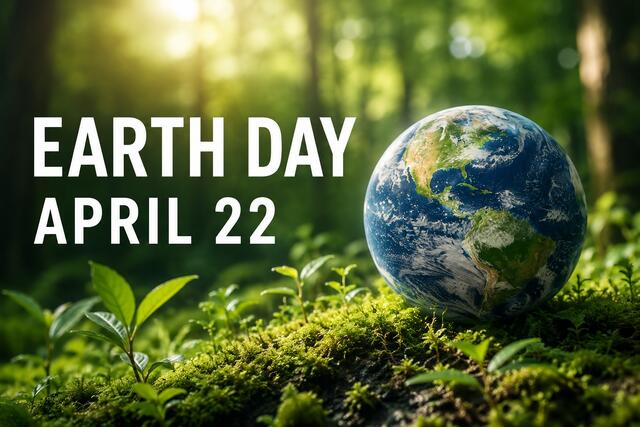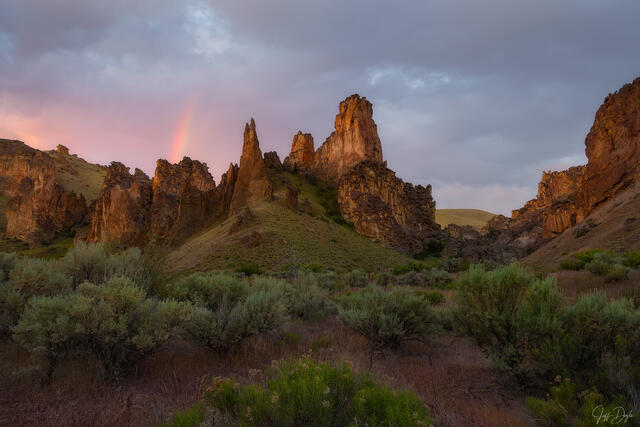
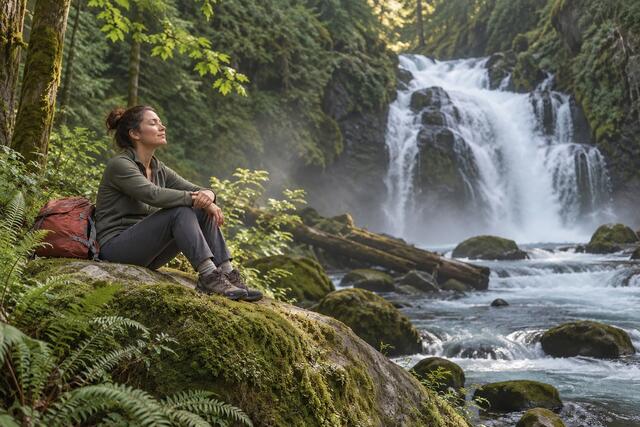
Earth Day is an annual observance focused on protecting the environment and encouraging people to care for the natural world. It is celebrated every year on April 22, and the first Earth Day took place in 1970...
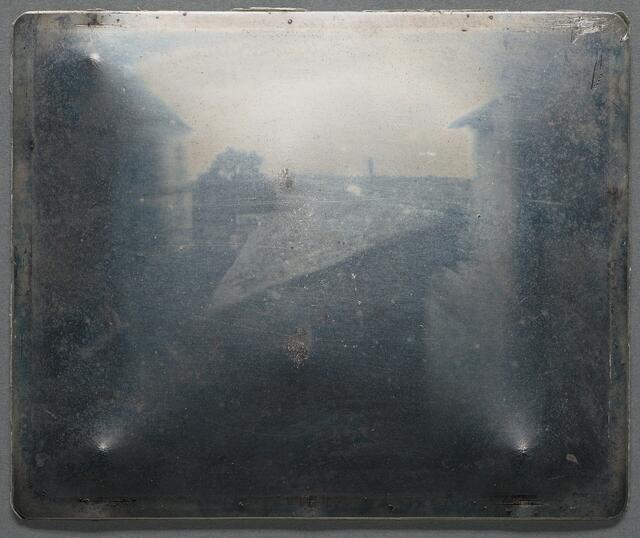
The first surviving photograph made with a camera is Joseph Nicéphore Niépce’s View from the Window at Le Gras, created at his estate in France in 1826 or 1827. It was a landscape. Out of everything a camera could have recorded first, history handed the honor to a view from an upstairs window: rooftops, outbuildings, and a slice of countryside holding still in the summer light...
Most art fair guides are written by the people who run them. This one comes from inside the booth. I've spent more than a decade photographing the Pacific Northwest coast, the Rockies, and the desert Southwest, and I sell my limited edition prints directly to collectors, at fairs included...
Ask ten photographers whether matte or glossy prints look better and you’ll get ten confident answers that contradict each other. After two decades of shooting landscapes and printing my own paper editions in-house, here’s mine: neither one wins...
Two images can look identical on your phone. Order one as a poster and it shows up for forty dollars. Order the other as a fine art print and it can run a hundred times that. Same picture, wildly different objects, and the gap confuses almost everyone who asks me about it...
Researchers once timed how long visitors spend with a single work of art at the Metropolitan Museum. The average came in under thirty seconds. Count that out next time you're standing in a gallery...
Most collections don’t begin with a major purchase. They begin with a single photograph that someone keeps coming back to and just feels right. I’ve watched this happen with collectors at every price point...
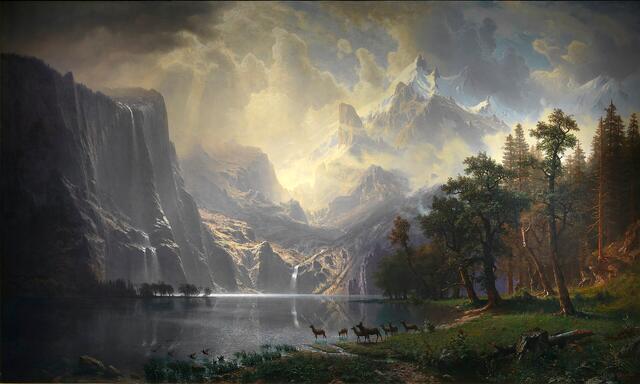
The history of landscape photography begins long before the invention of the camera. Painters were already trying to answer many of the same questions photographers face today: how to show a three-dimensional subject on a flat surface, how to convey scale, how to guide the eye through an image, and how to translate the experience of being in a place into something that can live on a wall...
Some of the most influential and famous landscape photographers in American history built their work around the national parks and landscapes of the American West. From Carleton Watkins and William Henry Jackson to Ansel Adams, Eliot Porter, and Galen Rowell, their photographs helped define how generations of viewers—and photographers—learned to see wilderness...
National park photography grew from a long American tradition of artists and photographers using protected landscapes to shape how people see the wilderness. Long before Yosemite, Yellowstone, and Mount Rainier became destinations for travelers, painters such as Albert Bierstadt and Thomas Moran and photographers such as Carleton Watkins and Ansel Adams used these places to create images that shaped how Americans saw the wilderness...
Choosing art for an office or commercial space requires more than finding an image that looks good on a screen. Scale, materials, subject matter, lighting, viewing distance, and the function of the room all affect how artwork performs once it's installed...
A few years ago, a collector in Seattle called me after her print arrived. She loved the photograph she ordered. It was a long exposure of the Olympic coast at dusk, but the framing felt off. The image needed more breathing room...