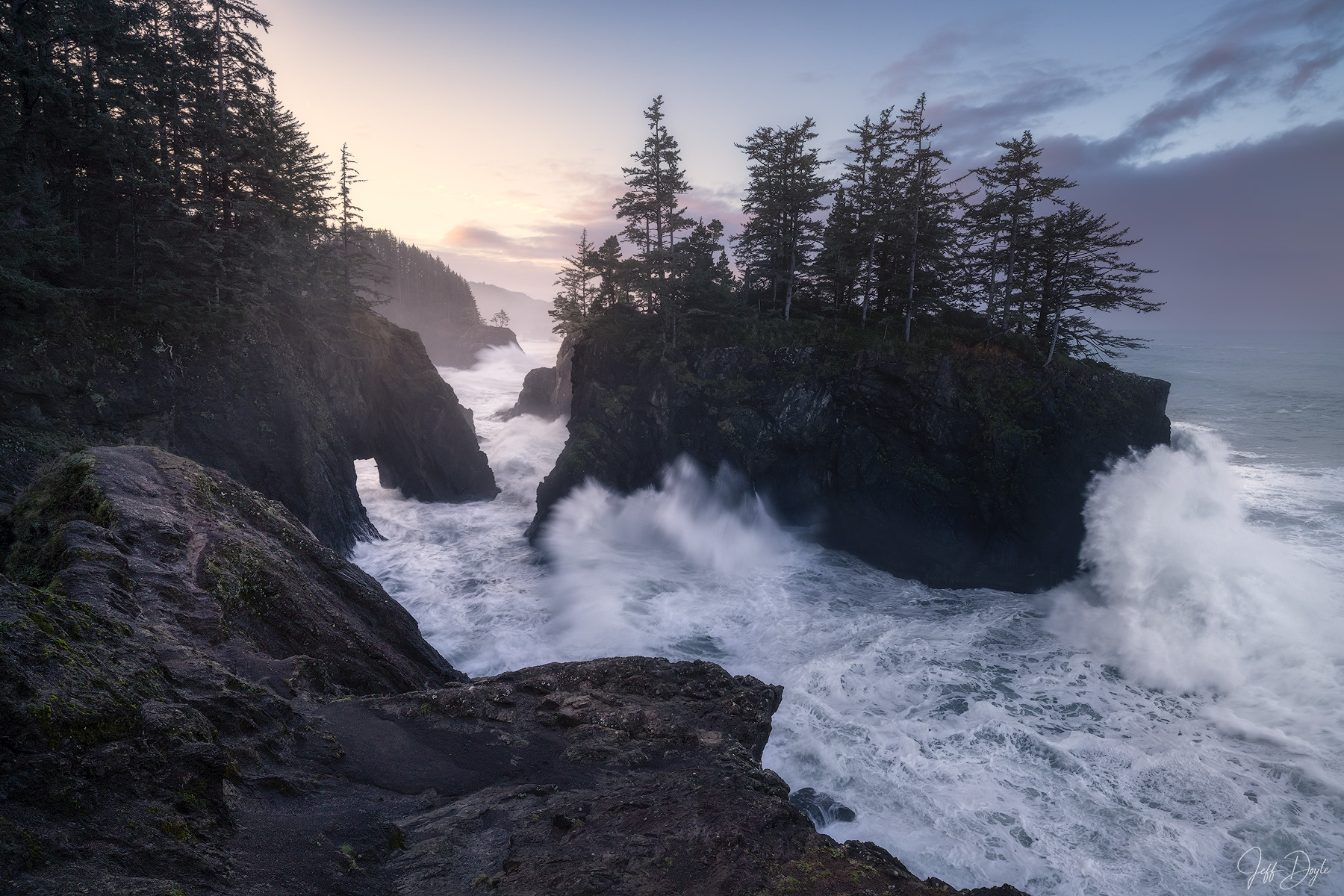
How to Collect Fine Art Photography on a Budget
Most collections don’t begin with a major purchase. They begin with a single photograph that someone keeps coming back to and just feels right. I’ve watched this happen with collectors at every price point. The first decision is rarely the most expensive. It’s usually the most formative.
Learning how to collect photography on a budget is mostly about pacing, attention, and knowing what actually holds up once the initial excitement wears off. Many first-time collectors assume a meaningful fine art photography collection requires a large budget, but some of the most thoughtful collections begin with a single carefully chosen print. This guide explains how to start collecting without sacrificing quality simply to spend less.
How to Start a Fine Art Photography Collection on a Budget
Start with one photograph you genuinely want to live with, choose a size appropriate for the room rather than the largest available, and prioritize print quality over elaborate presentation. Paper prints, open editions, and smaller limited editions can all provide an accessible entry point. Ask how the print was made, understand the edition structure, keep the documentation, and allow framing or larger purchases to come later as your taste develops.
A smaller budget should change the decisions you make about size, presentation, and pacing—not the standard you use to judge the photograph itself.
Start by Paying Attention to What Holds You
Before thinking about editions, sizes, or materials, spend time noticing what you actually respond to. Photography is a broad medium. Even within landscape work alone, preferences vary widely. Some people are drawn to open, expansive scenes. Others prefer quieter images with less obvious drama. Some respond primarily to color; others to tone, structure, and restraint.
Scroll less, linger more. Visit galleries when you can. Spend time with photography books rather than feeds. The photographs that continue to feel interesting after multiple viewings are usually the ones worth collecting. First impressions tell you about novelty. Repeated attention tells you about staying power.
Start With a Smaller Fine Art Print Before Buying Large
New collectors almost always start by asking about large format. There’s an instinct that bigger means more serious, more impactful, more worth the investment. And sometimes that’s true. But what I’ve watched happen repeatedly is this: a collector buys something modest to start, and it ends up in a hallway or a home office where they actually move through every day. They build a real relationship with that piece. The quiet familiarity of encountering it in ordinary light, on an ordinary morning, turns out to be more meaningful than anything a statement piece in a rarely-used formal room could offer.
Starting smaller isn’t settling. It’s learning what you actually respond to, how a photograph lives in your specific environment, and what you’d want more of. The collectors who make their larger purchases from that informed position almost always feel better about those decisions than the ones who led with scale.
If you're deciding what dimensions will work in a particular room, my fine art photography size guide covers recommended print sizes, viewing distances, and placement by room.
Open Editions vs. Limited Editions on a Budget
For new collectors, open editions and smaller limited editions are often the most sensible place to begin, and the anxiety many people feel about this is largely misplaced.
An open edition doesn’t mean lower quality. It means the artist has chosen not to cap the number of prints. But the image, the archival materials, and the production standards don't change. The only thing that changes is accessibility. Scarcity matters far less than clarity. Knowing how a print was made, how it’s finished, and where it sits within an artist’s body of work is more important than the number on the label. That said, edition structure does eventually matter if you’re collecting with any long-term intention. For a deeper discussion of how editions, print sizes, and materials affect long-term value, see my guide to limited edition photography prints.
Paper Prints Are Often the Smartest Starting Point
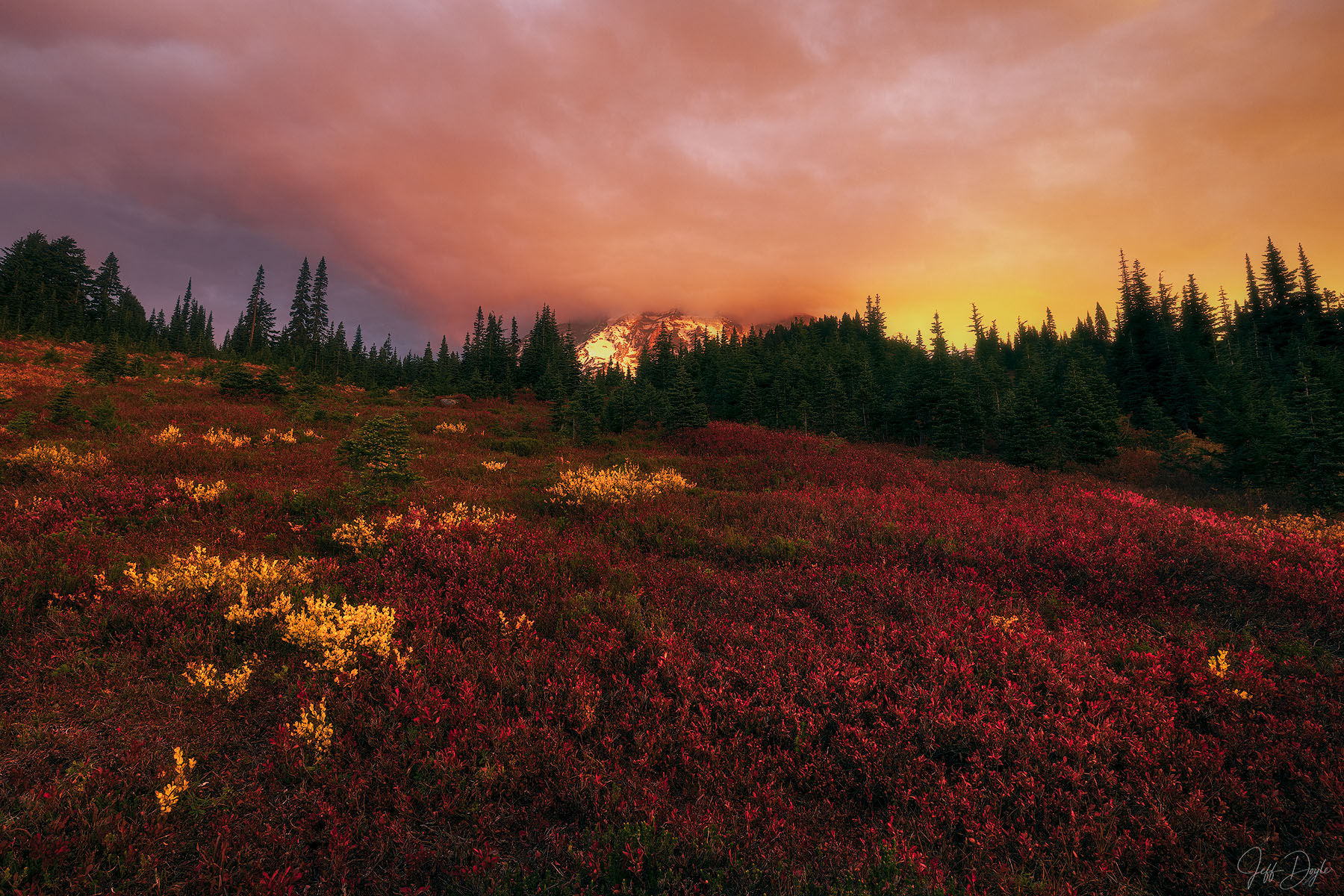
Fine art paper prints are frequently underestimated by new collectors, and I’d push back on that instinct. When printed well and paired with archival matting and proper glazing, paper holds subtle detail and tonal depth beautifully. The softness of a quality cotton rag print on an atmospheric landscape such as something with mist, snow, or early morning light is something that metal or acrylic simply renders differently.
Paper also keeps the focus where it belongs at the start of a collection: on the photograph rather than the presentation. Different presentation materials each have strengths depending on the image and the space. Larger formats and contemporary mounting styles can be genuinely wonderful in the right context, but they bring their own requirements around placement, lighting, and wall type. Starting with paper is lower stakes and higher learning. Because paper can also be purchased unframed or matted and framed later, it often provides a lower initial cost of entry than a finished metal or acrylic presentation.
Should You Think of Fine Art Photography as an Investment?
Photography does appear at auction. Some images do appreciate significantly. I’d rather be honest about this than wave it away, because pretending the question doesn’t exist doesn’t help new collectors think more clearly.
The photographers whose work commands serious secondary market prices such as Gursky, Struth, Salgado, or Cartier-Bresson built those valuations over decades through consistent practice, institutional representation, and sustained collector demand. That process isn’t something you can shortcut at the point of purchase. What you can do is apply the same underlying logic at any price point: collect work made with intention, documented properly, and produced to archival standards by an artist with a coherent, consistent practice.
In my experience, the collectors who focus primarily on potential appreciation tend to be the least satisfied over time. The ones who collect because the work genuinely belongs in their lives end up with collections that hold value in every sense of the word. Market outcomes follow from that.
Buy What You Love, Not What You Think You Should Love
New collectors often worry about whether their taste is sophisticated enough. They wonder whether they should be buying black and white work, famous locations, historically important photographers, or whatever seems to be popular among experienced collectors.
I think that's backward. Collections become interesting because they reflect genuine preferences developed over time. The photograph you continue returning to is usually a better purchase than the one you feel obligated to appreciate.
Taste develops through exposure, not imitation.
Where You Buy Matters Less Than What You Understand
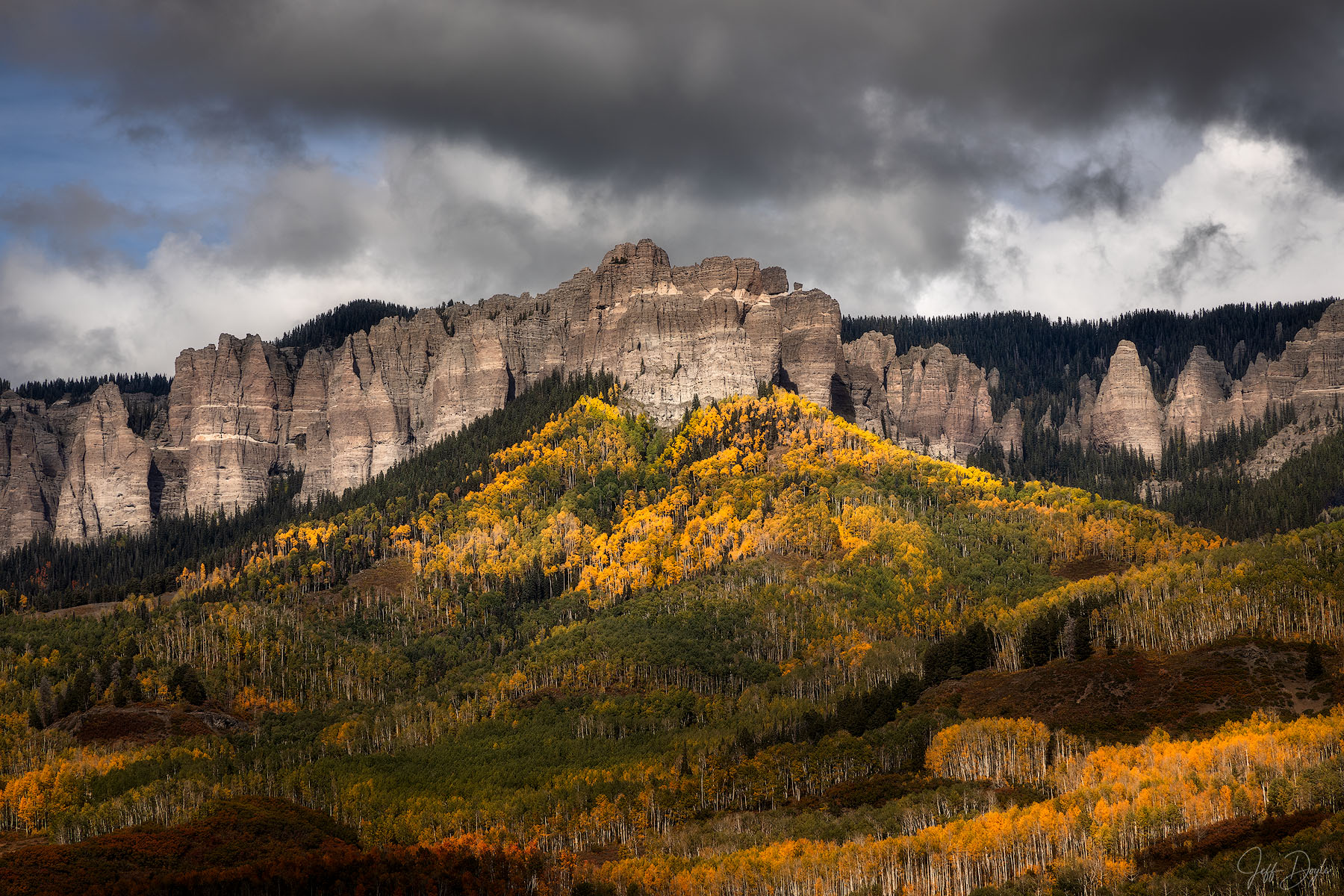
Photography can be collected through galleries, museum shops, online platforms, and directly from artists. Each route has advantages. Galleries often provide curatorial context and ongoing support. Buying directly from an artist allows for conversation about the work, the process, and the edition structure in ways a platform listing rarely does.
What matters most in any context is transparency. How was the print made? What substrate and inks were used? What are the longevity ratings under standard display conditions? What does the edition documentation include? Any serious artist or gallery expects these questions. If asking them feels unwelcome, that’s information worth having before you buy.
Framing Later Is Reasonable: Do It Right When You Do
Framing is one of the most significant costs in collecting photography, and it doesn’t need to happen immediately. Many collectors start with unframed or simply matted prints. This keeps initial costs down and allows framing decisions to be made once the photograph has found its place and you have a clearer sense of the room.
When you do frame, archival materials matter more than decorative style. Acid-free mats and UV-protective glazing protect the print regardless of size or price point. A modest print framed with appropriate conservation materials can be better protected over time than a more expensive presentation that ignores light exposure and archival considerations. My professional framing and mounting guide covers glazing, matting, mounting, UV protection, and conservation considerations in detail.
Keep Simple Records From the Start
Even a small collection benefits from basic documentation. Keep the purchase invoice, any certificate of authenticity, and the edition details together in the same way you’d keep records for anything else of value. Note where the work is hung and under what conditions. If you ever insure, resell, donate, or pass the work on, this paperwork matters more than most new collectors expect.
Modern archival materials are designed to last well over a century under reasonable conditions. Most problems I’ve seen arise not from the materials themselves but from displaying in direct sun or high humidity locations. Getting the basics right from the start costs nothing and pays off over the full life of the work.
Let the Collection Develop at Its Own Pace
Adding one piece at a time lets taste sharpen naturally. It also creates space to learn how photographs behave in your specific environment. That knowledge is what makes later decisions better.
Photography has always been a relatively democratic medium. Its accessibility isn't a limitation. It's what makes photography such a good place to begin collecting seriously. The qualities that sustain a collection over time are patience, attention, and genuine connection to the work. None of those require a large budget. They require a willingness to look carefully and wait for the right thing. If you're still figuring out what styles of photography resonate most with you, it can help to start by understanding how collectors evaluate artwork and what draws them to certain images over time.
Frequently Asked Questions
How do I start collecting fine art photography?
Start with one photograph you genuinely want to live with rather than trying to build a collection all at once. Learn how the print was made, understand whether it is an open or limited edition, choose a size appropriate for your space and budget, and keep the purchase and edition documentation. Your preferences will become clearer as you live with the work.
Can you collect fine art photography on a small budget?
Yes. Smaller prints, paper prints, open editions, and smaller limited editions can all provide accessible ways to begin collecting. A limited budget does not require compromising on the quality of the photograph or production; it often means starting with a smaller size or simpler presentation and adding framing or larger pieces later.
Are limited edition photographs better than open editions?
Not necessarily. Edition size describes scarcity, not automatically print quality or artistic merit. An open-edition print can be produced to the same archival standards as a limited edition. Limited editions become more relevant when scarcity, documentation, and long-term collectibility are important to you.
Is it better to buy a smaller photograph or save for a large one?
For a first purchase, a smaller photograph can be a useful way to learn what you enjoy living with before committing to a large statement piece. Choose the size that works for the wall and viewing distance rather than assuming larger is inherently better.