
Bob Ross Landscape Paintings: Happy Little Trees and a Photographer's Take
Bob Ross could start with a blank canvas and, less than half an hour later, leave behind mountains, water, clouds and enough trees to make the place feel as though it had been growing there for a century. Most of us remember the soft voice, the enormous perm and those famous happy little trees. But underneath the television persona was a painter with a remarkably consistent visual language.
I've spent more than twenty years photographing landscapes, and that makes me look at Ross a little differently than someone approaching him only as a television personality. I'm interested in what he was doing with light, depth, trees, mountains and composition, and in a question people still search for surprisingly often: Was Bob Ross actually a good painter?
I think he was.
Not because every Bob Ross landscape belongs in the canon of great American painting, and not because the work was especially complicated. He was good because he understood exactly what he was trying to accomplish, developed the technical control to do it repeatedly, and then figured out how to make millions of people believe they could do it too.
Was Bob Ross a Good Painter?
Yes. Bob Ross was a skilled painter working within deliberately narrow constraints.
Each episode of The Joy of Painting required him to create a coherent landscape on a television schedule while simultaneously explaining what he was doing. He wasn't spending weeks reconsidering a composition or waiting for one layer of paint to dry before changing another. The entire point was speed, accessibility and confidence.
Watch his brush control instead of the finished painting for a moment. He knew how much pressure to put on a brush, when an edge needed to disappear and when it needed definition, how light and dark values separated one part of a landscape from another, and how a palette knife could suggest snow, rock or the edge of a mountain with very little information.
His paintings were also intentionally teachable. The compositions often reuse familiar devices because viewers at home needed recognizable steps: distant sky, mountain, middle ground, water, trees and a stronger foreground. A highly experimental composition would have made worse television instruction.
Who Was Bob Ross?
Robert Norman Ross was born in Daytona Beach, Florida, in 1942. He joined the United States Air Force as a young man, and his military career eventually took him to Alaska, where mountains, snow and wilderness became recurring subjects in his painting. That makes a lot of sense when you look at what he painted.
There are landscapes that change the way you see almost immediately. You can arrive somewhere with no intention of reorganizing your life around mountains, weather or light, and then discover that the place has other plans for you.
Ross began painting while stationed in Alaska and eventually encountered the wet-on-wet approach taught on television by painter Bill Alexander. The method allowed fresh oil paint to be worked into an already wet surface rather than waiting for individual layers to dry.
Ross eventually left the Air Force and began teaching painting himself. Working with Annette Kowalski and the company that became Bob Ross Inc., he developed the television program that made him famous.
The Joy of Painting began in 1983 and ultimately ran for more than 400 episodes across 31 seasons. Ross died in 1995 at age 52.
His television presence ended, but his audience didn't.
In some ways, it was only getting started.
What Made Bob Ross Landscape Paintings So Recognizable?
You don't need to see Bob Ross standing beside a canvas to recognize many Bob Ross landscape paintings.
The vocabulary repeats: mountains, evergreens, lakes, reflections, clouds, cabins, snow and paths disappearing toward places we can't quite see. Even when individual elements change, the landscapes tend to feel related. Part of that comes from technique, but a lot of it comes from composition.
Ross regularly created strong separation between foreground, middle distance and background. Distant mountains tend to be lighter and softer. Trees grow darker and more defined as they approach the viewer. Water or open land creates breathing room between major shapes. Those are simple devices, but simple doesn't mean ineffective.
Understanding what we mean by a landscape has always involved more than identifying a piece of scenery. Artists decide what to include, what to emphasize, where light should fall and how a viewer should move through the scene.
Ross's landscapes were usually idealized rather than literal. They weren't field studies of one exact overlook at one exact moment. He assembled places from a vocabulary of natural forms he knew well enough to invent quickly. That places him in a much longer conversation about how artists transform the natural world rather than simply reproduce it.
You can see a very different expression of that impulse in the longer tradition of dramatic light in American landscape art, including painters such as Albert Bierstadt. Ross wasn't painting Luminist works, and the ambitions are very different, but both understood how mountains, atmosphere and carefully placed light could make a landscape feel larger than everyday life.
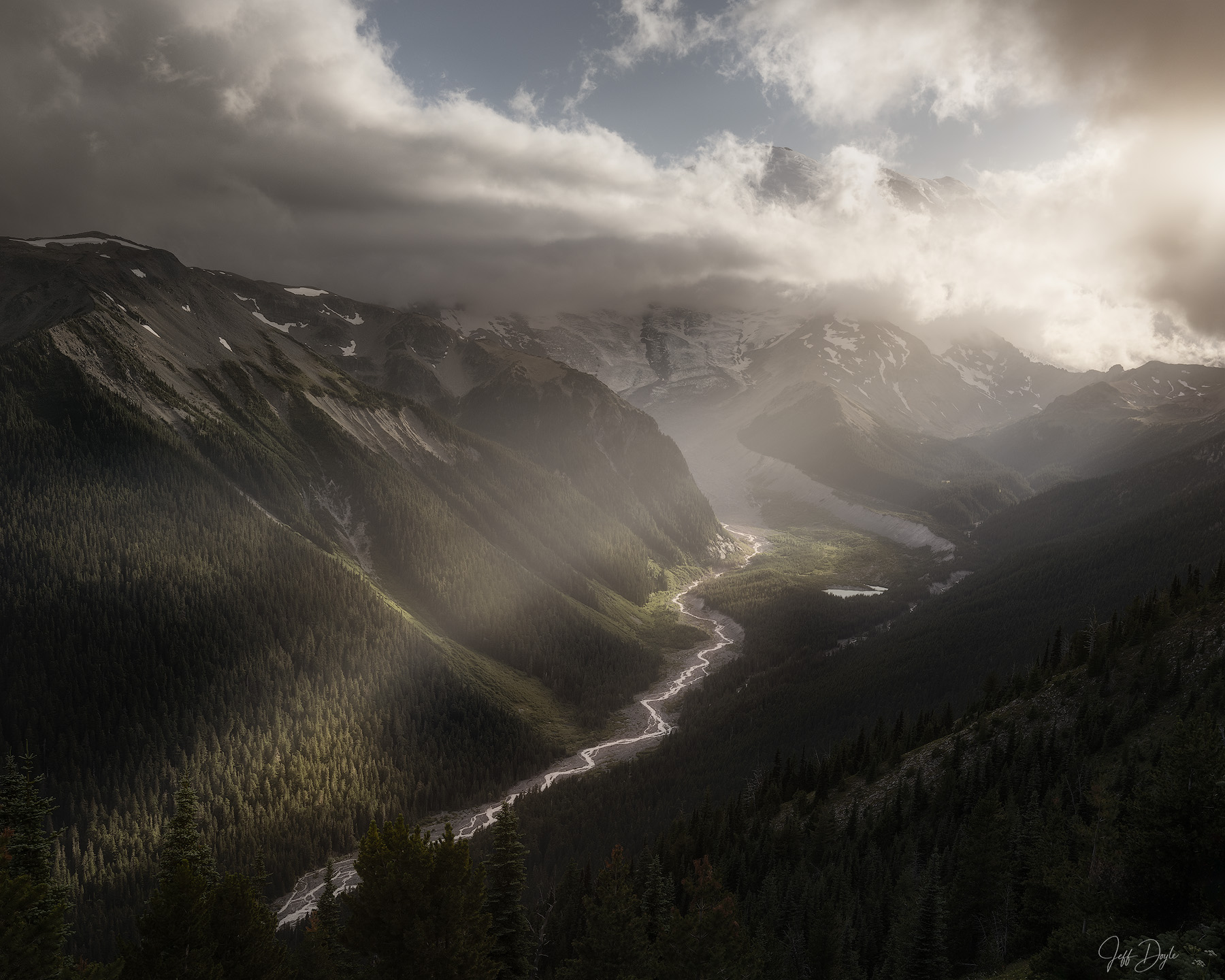
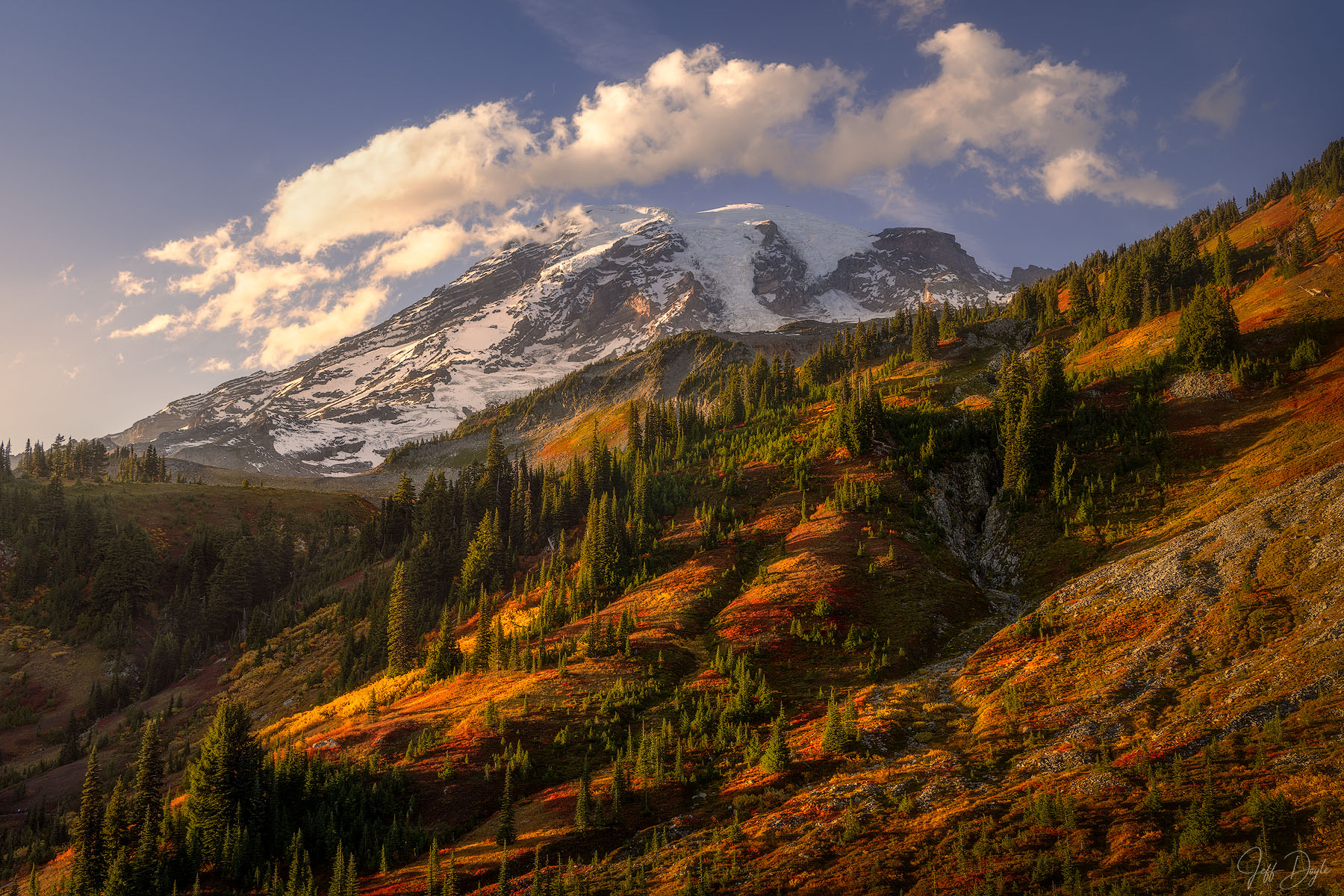
As a photographer, I don't get to invent the mountain or move the tree. I have to work with the landscape that exists in front of me. That difference is fundamental, but the compositional problem is familiar: how do you turn a complicated natural place into an image that feels coherent? That's the problem every landscape artist eventually has to solve.
Why Bob Ross's Happy Little Trees Mattered
The phrase “happy little trees” became so closely associated with Ross that it almost swallowed the paintings themselves. It would be easy to treat it as nothing more than a catchphrase. I think that misses what made it effective.
Ross gave the elements of a landscape personalities. Trees got friends. Clouds wandered around. A mark that didn't go where expected became something to work with instead of something that ruined the picture.
His most famous version of that philosophy was simple: “We don't make mistakes, we just have happy accidents.” That's useful advice well beyond painting.
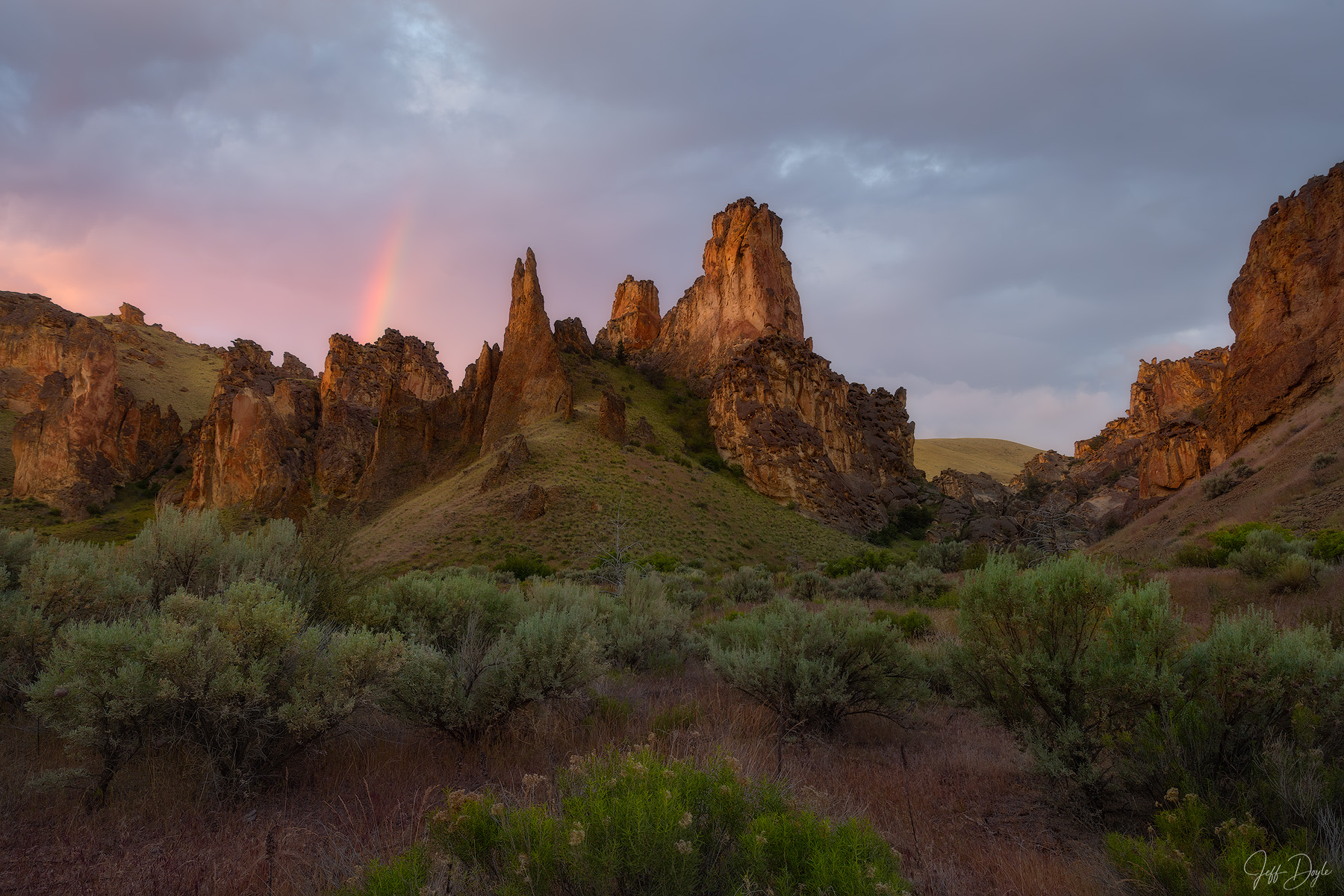
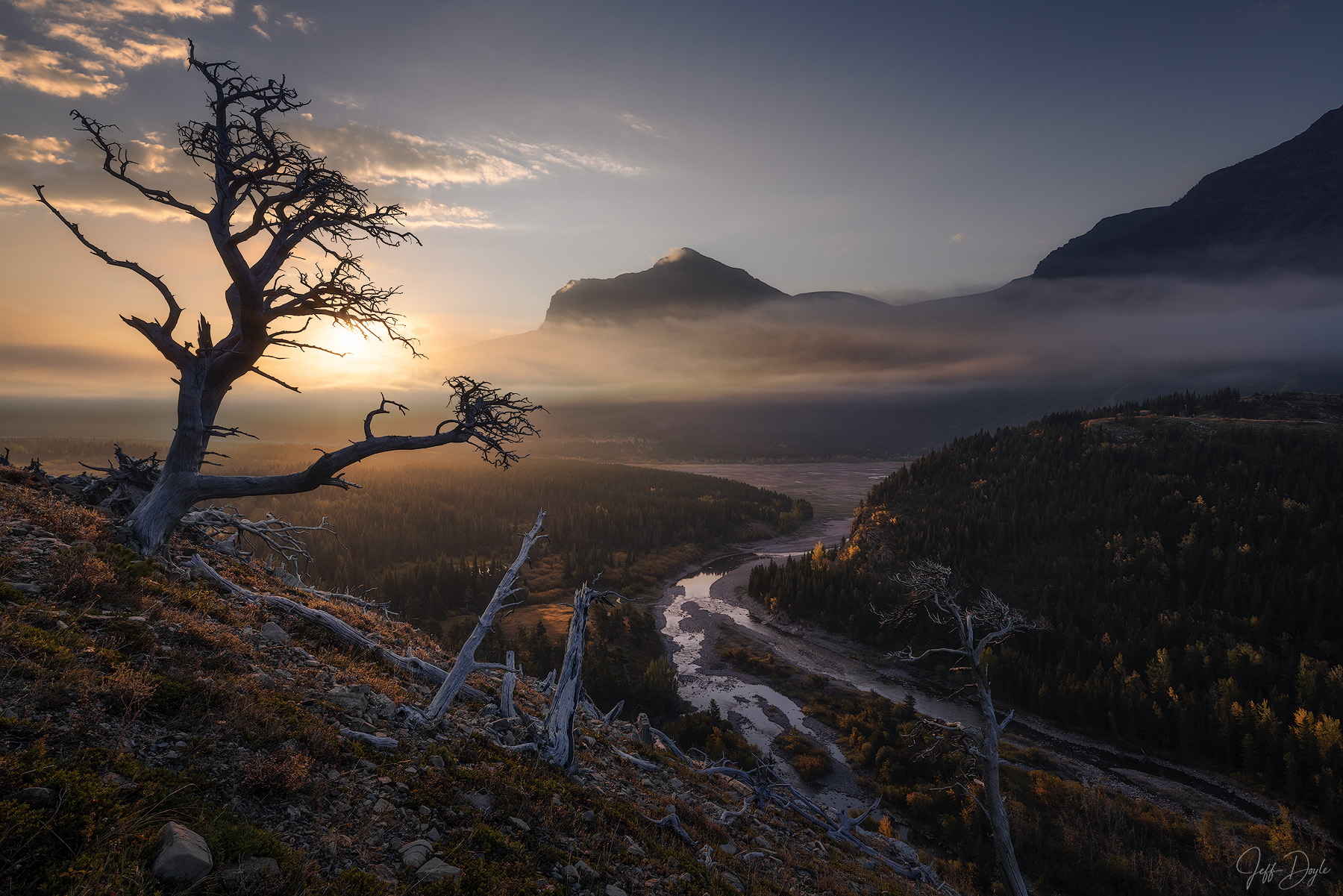
Anyone who works outdoors learns quickly that nature doesn't care much about perfection. Some of the trees that make the strongest photographs are the ones that have been pushed around for decades by wind, snow, rock, fire or competition for light.
Ross's trees worked in much the same way. They helped create depth and balance, but they also made these invented landscapes feel inhabited. A mountain alone can feel remote. Put an evergreen against it and suddenly the scale changes. Add another tree closer to the viewer and now there is a path into the scene.
How Did Bob Ross Paint Trees So Quickly?
The speed came from both technique and repetition. Ross used a wet-on-wet oil-painting method in which the surface remained workable while he built the image. Instead of creating every needle, branch or piece of bark, he relied on brush shape, pressure, direction and contrast to suggest far more detail than he actually painted.
Evergreens might emerge from repeated touches of a fan brush. Broader foliage could be suggested with a larger brush, while the palette knife handled trunks, branches, highlights and harder edges. From across the room, your eye completes the information. That's an important lesson in almost every visual medium. You don't always need more detail. Sometimes you need exactly enough detail in the right place.
Ross had practiced those motions so many times that they appeared effortless on television. Of course, effortless is usually what expertise looks like after you've stopped seeing the years that produced it.
What Type of Painting Style Did Bob Ross Use?
Bob Ross is most closely associated with a wet-on-wet approach to oil painting. That describes the technique, but it doesn't fully describe the style of the finished work.
Visually, his landscapes were representational, idealized and highly accessible. They borrowed recognizable forms from mountains, forests, lakes and wilderness without necessarily depicting a specific place. The resulting scenes often occupy an interesting space between memory and imagination.
They look plausible enough that you feel you could hike into them, but they're composed for emotional clarity rather than geographic accuracy. That helps explain why the paintings translated so well to television. A viewer didn't need to know anything about art history before responding to a snow-covered mountain reflected in a quiet lake.
What Is Bob Ross's Most Famous Painting?
Bob Ross doesn't have one universally agreed-upon masterpiece in the way some artists do. His cultural fame rests more on the total body of television work, the process of making it and his personality as a teacher.
If you had to nominate one painting, though, A Walk in the Woods has a strong claim. Ross painted it during the first episode of The Joy of Painting in 1983. Decades later, the painting received another round of attention when Modern Artifact listed it in 2023 with an asking price of $9.85 million.
Its significance is cultural as much as financial. A painting created to demonstrate an accessible public-television lesson had become valuable enough as a piece of American popular culture to support an extraordinary asking price.
The Smithsonian's National Museum of American History has also acquired Ross material, including original paintings and objects associated with his television work. That institutional recognition says something important. Bob Ross is no longer interesting only as a television painter. He has become part of the history of how Americans encountered art, instruction and landscape imagery through mass media.
What Are the Best Bob Ross Paintings?
Trying to rank Bob Ross's best paintings is harder than it sounds because the most interesting examples often stand out for reasons beyond pure technique.
A Walk in the Woods matters because it began the television series.
Some viewers prefer paintings dominated by huge mountains and reflections because they represent the classic Bob Ross landscape at full strength. Others remember the episode in which Ross responded to a colorblind viewer by demonstrating that a convincing landscape could be painted without relying on the usual range of colors.
That episode gets closer to what I find most interesting about him. The painting mattered, but so did the act of teaching. Ross was constantly trying to remove reasons people gave themselves for not making something.
Where Are Bob Ross's Paintings Now?
This became one of the stranger questions surrounding his legacy. Ross painted constantly, yet for years his paintings rarely appeared on the conventional fine-art market.
In 2019, The New York Times reported on a large collection of original Bob Ross paintings held by Bob Ross Inc. at the company's Virginia headquarters. Many of the paintings associated with The Joy of Painting remained with the company rather than entering the normal gallery and auction circuit. That scarcity helped create some of the mythology around them.
Original Ross works can also be seen through institutions connected to his legacy. The Smithsonian has acquired examples, while the Bob Ross Experience at Minnetrista in Muncie, Indiana occupies the property where The Joy of Painting was filmed and presents material associated with Ross and the program.
If you're making a trip specifically to see original work, verify current exhibitions and visitor information before going. Displays can change.
How Much Is a Bob Ross Painting Worth?
There isn't one useful answer. Original Bob Ross paintings don't trade frequently enough to produce the kind of transparent, deep market that exists for artists whose works appear constantly at major auctions.
Provenance matters. Paintings connected directly to The Joy of Painting, early works, gifted works and pieces with unusually strong documentation won't necessarily behave the same way in the market.
The most widely publicized number remains the $9.85 million asking price attached to A Walk in the Woods in 2023. Again, that's an asking price, not evidence that someone paid $9.85 million.
Why Did Bob Ross Become Even More Popular After His Death?
Plenty of television programs survive in reruns. Very few acquire a substantially new audience decades later. Bob Ross did. Internet streaming, YouTube, memes and marathon broadcasts introduced The Joy of Painting to generations that never saw an original episode. The strange thing is how little the show needed to change to work in a completely different media environment.
I think that's because people weren't watching only to learn how to paint. They were watching him create order. A blank canvas became sky. The sky gained mountains. The mountains gained trees. Something that initially seemed difficult became manageable one decision at a time. And throughout the process, the person teaching you kept insisting that mistakes weren't disasters.
I've written separately about why peaceful nature imagery can change the feeling of a room, and I think a related principle helps explain Ross's continued appeal. Landscapes can create emotional space. They give the eye somewhere to go. Ross did that with paint, but he also did it with thirty minutes of television.
Bob Ross, Landscape Painting and Landscape Photography
Painting and photography ask different things from the person making the image. Bob Ross could decide that a mountain needed to be taller. He could put a tree wherever the composition needed one. He could invent light, weather and distance, then change his mind without asking permission from the landscape.
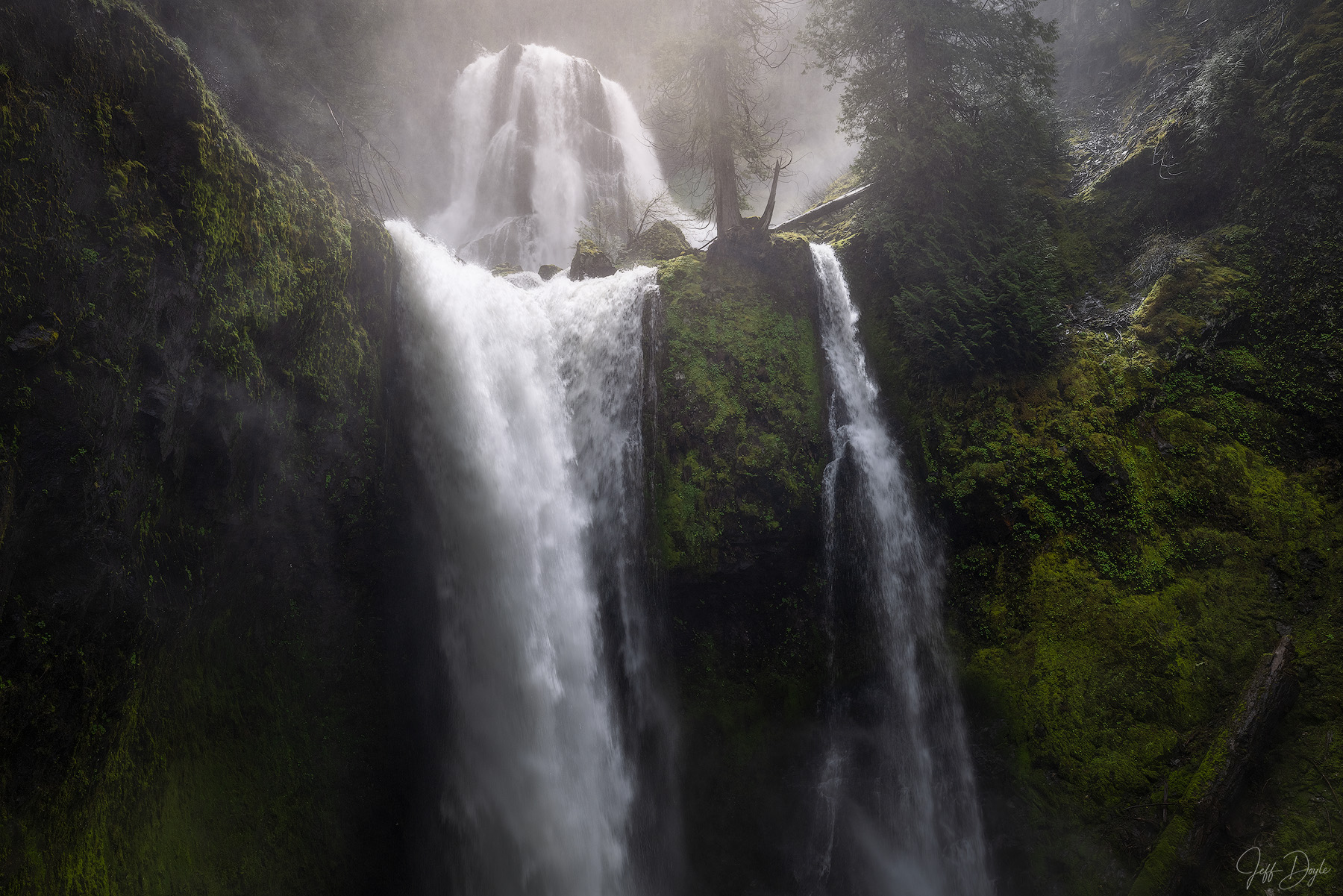
Photography gives me a different problem. The mountain is where it is. The tree is where it is. If the light misses the ridge by fifty yards, I can't move the sun. So I wait, reposition, return in another season or accept that the landscape has offered me something different from what I imagined.
That relationship with real places runs throughout the history of landscape photography. Photography may describe an actual moment, but the photographer still makes dozens of interpretive decisions about viewpoint, timing, lens, exposure, framing and what to leave outside the picture.
That's why I don't think the interesting comparison is whether painting or photography is “better.” They're different ways of paying attention. Ross built landscapes from memory, imagination and a vocabulary of natural forms he could reproduce quickly enough to teach on television. I look for landscapes that exist in the world and try to recognize the brief moment when light, weather and composition come together. But the impulse underneath both approaches isn't all that different. We're trying to make someone stop for a moment and feel something about a place.
What Bob Ross Got Right About Landscapes
For all the jokes about happy little trees, Ross understood something important. Most people don't experience landscape art as an art-history exam. They respond first to feeling.
A quiet lake can make a room feel different. A mountain can suggest scale. A forest can create a sense of shelter, mystery or distance. Light coming through a storm can make you remember what it feels like to stand outside when the weather finally breaks.
Ross understood that instinctively. His landscapes weren't trying to confront viewers. They welcomed them in. That limited what the paintings attempted, but it also explains why they reached so many people.
Landscape photography can do something similar while remaining tied to a particular place and moment. The tree actually stood there. The weather really moved across that ridge. The light existed for however long it existed, and then it was gone. That's the part that keeps me carrying a camera back into these places after all these years.
If Bob Ross's landscapes remind you how much you like having mountains, forests and wild places around you, that's a worthwhile instinct to follow. You can read more about why people collect fine art landscape photography, or explore my fine art landscape photography and see the places that have kept me chasing real light for more than two decades.
And keep the happy little trees. Ross was right about those.
Bob Ross FAQ
Was Bob Ross a good painter?
Yes. Bob Ross was a skilled painter working within a deliberately accessible style. His brush control, value structure, edge control and ability to construct coherent landscapes quickly demonstrated substantial technical practice, even though his compositions were often formulaic by design.
What is Bob Ross's most famous painting?
A Walk in the Woods, painted during the first episode of The Joy of Painting in 1983, is one of the strongest candidates. It received renewed attention when Modern Artifact listed it in 2023 with a $9.85 million asking price.
Why did Bob Ross paint happy little trees?
Trees were both a compositional tool and part of Ross's friendly teaching language. They helped create depth, scale and balance in his landscapes, while phrases such as “happy little trees” made the painting process feel less intimidating to beginners.
What style of painting did Bob Ross use?
Bob Ross is best known for a wet-on-wet oil-painting technique that allowed him to blend and layer paint while the canvas remained workable. His finished landscapes were representational, idealized and built from recurring natural subjects such as mountains, forests, lakes and clouds.
Where are Bob Ross's paintings now?
Many paintings associated with The Joy of Painting have remained with Bob Ross Inc. rather than circulating widely through galleries and auctions. Original Ross material is also held by institutions including the Smithsonian, and the Bob Ross Experience in Muncie, Indiana presents work and artifacts connected to the television program.
How much is an original Bob Ross painting worth?
There is no single reliable market price because authentic Bob Ross paintings trade relatively infrequently and provenance varies considerably. One famous example, A Walk in the Woods, was listed in 2023 with a $9.85 million asking price, but an asking price should not be confused with a confirmed sale.