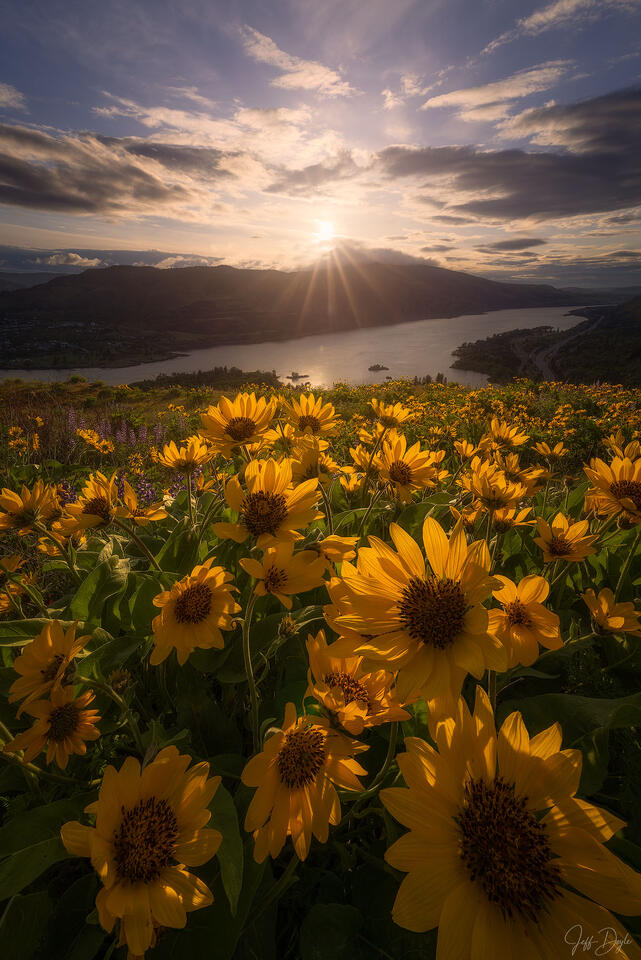
The Palouse and Eastern Oregon High Desert
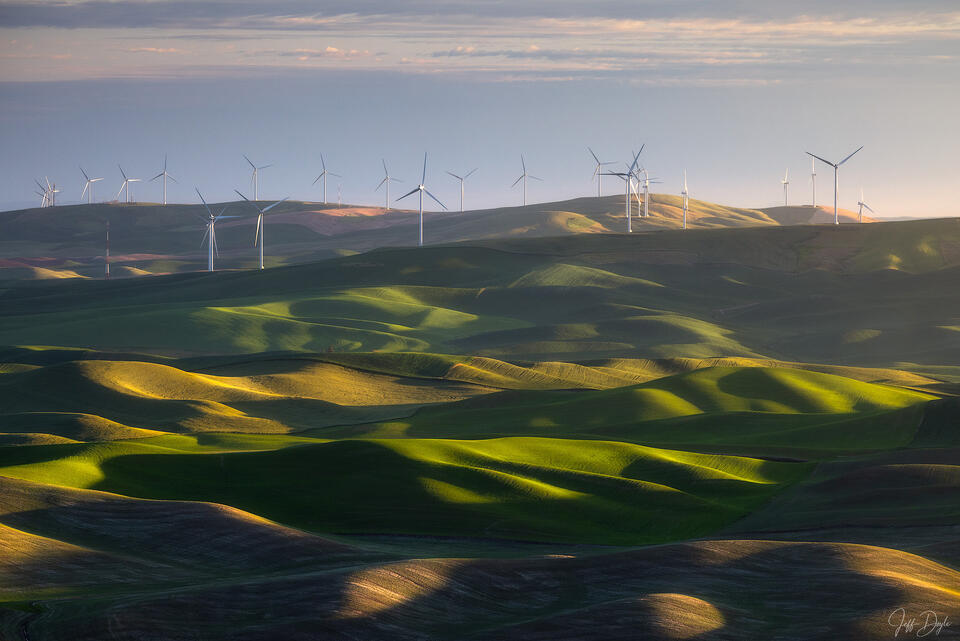
In the Palouse, fields rise and fall like waves, changing character by the hour as light skims across planted hillsides. Repeating lines, cultivated patterns, and long shadows can make the landscape feel almost abstract, even though every photograph remains rooted in the working agricultural land of eastern Washington.
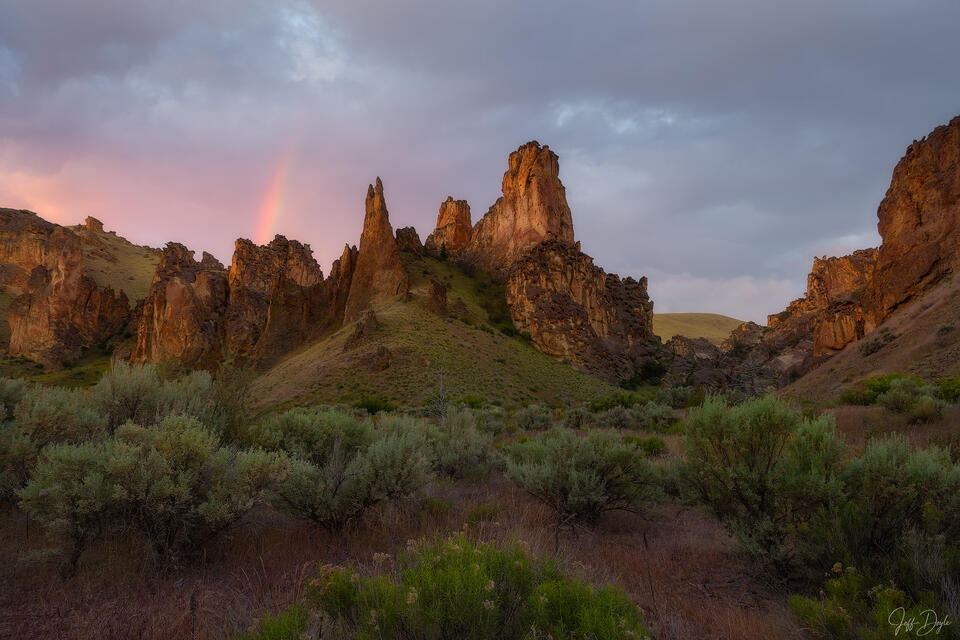
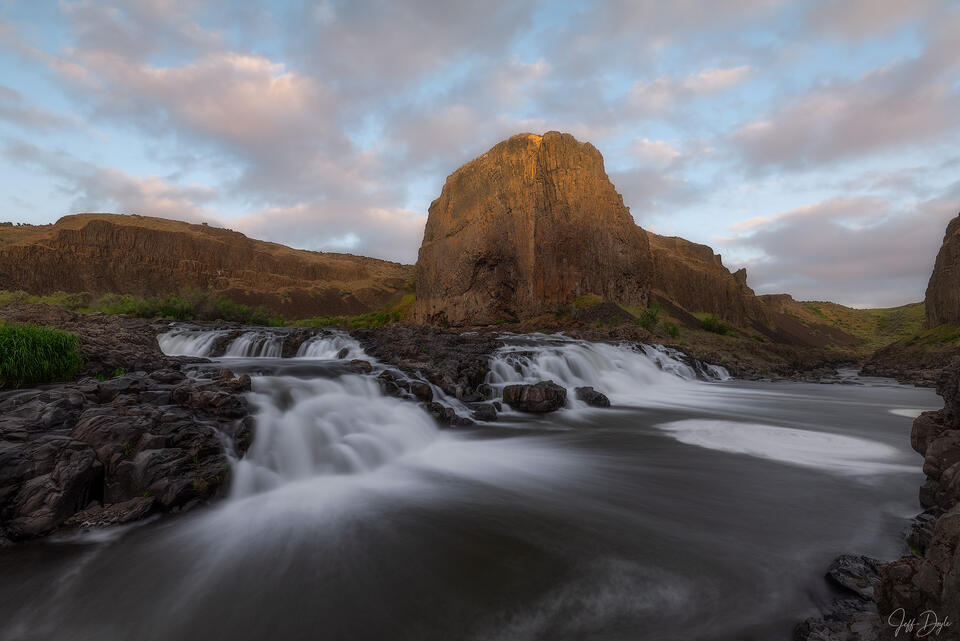
Farther south, eastern Oregon’s high desert opens into a very different landscape, with alkali flats, distant mountain ranges, broad skies, and terrain shaped by geology rather than agriculture. The Painted Hills add another layer of color and texture, where erosion exposes bands of earth shaped over immense spans of time.
These images are made by returning to the same places again and again, watching how light shifts with season, weather, and time of day. The work favors calm moments: long shadows, balanced skies, and compositions that let the land speak without interruption.
Light, Pattern, and Open Space
Open landscapes can appear simple at first, but much of their character comes from small changes in light and repetition. Across the Palouse, planted rows and rolling hills create patterns that shift as the sun moves. In the high desert, ridgelines, exposed earth, and broad areas of negative space create a different kind of structure.
Some photographs emphasize soft transitions and minimal contrast, where color and light change gradually across the terrain. Others depend on stronger patterns—repeating field lines, shadows, ridges, or layers of exposed earth. Both approaches reveal structure that may be easy to overlook when moving quickly through the landscape.
Painted Hills, Earth Tones, and Seasonal Color
Color in these landscapes tends to come from the land itself. The Palouse moves through greens, golds, and browns as crops and seasons change, while eastern Oregon introduces muted reds, tans, pale grasses, exposed rock, and high-desert skies.
At the Painted Hills, layered bands of earth create color in a landscape that is otherwise spare and open. Weather and the angle of light can alter how strongly those colors appear, making the same terrain look different from one visit to the next.
Fine Art Palouse & High Desert Photography Prints
Each photograph is available as a signed limited-edition print on Lumachrome TruLife acrylic, ChromaLuxe metal, or cotton rag fine art paper. For more detail about edition sizes, print sizes, and collectibility, see the guide to editions, sizes, and materials.
Explore Related Landscape Photography
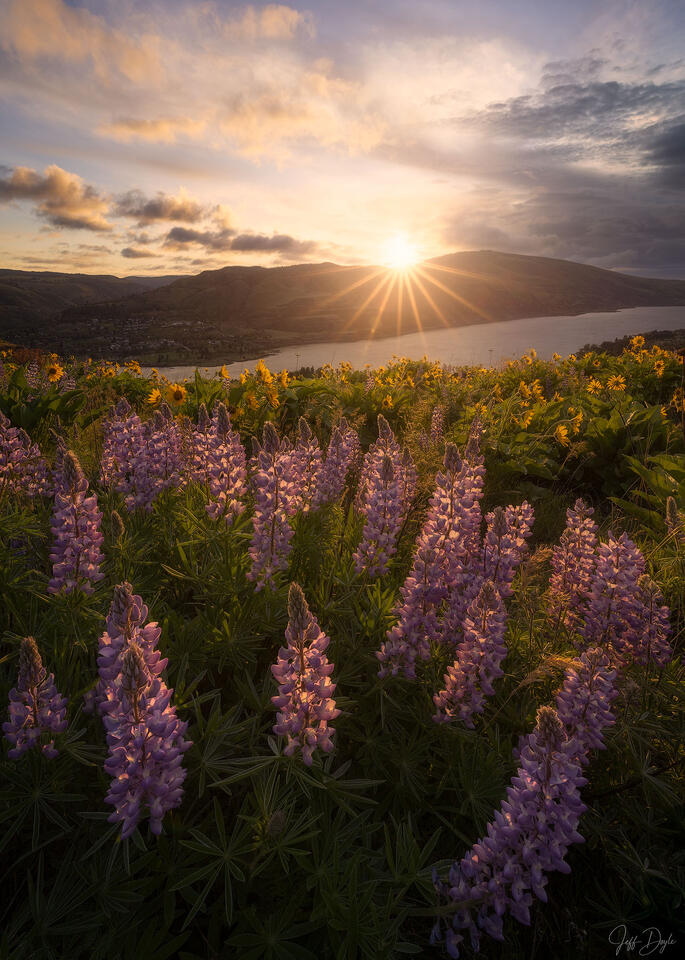
These open landscapes connect naturally with several other collections. Explore mountain photography for broader elevation and scale, wildflower photography for landscapes where seasonal blooms take the lead, or Southwest photography for desert landscapes shaped by the geology and light of the American Southwest.
Help Choosing the Right Piece
If you would like help selecting the right image or size for your space, you are welcome to reach out directly. For general advice about sizing, orientation, and placement, see the guide to choosing fine art photography for your space.