The Quiet Detail of Wildflower Landscapes
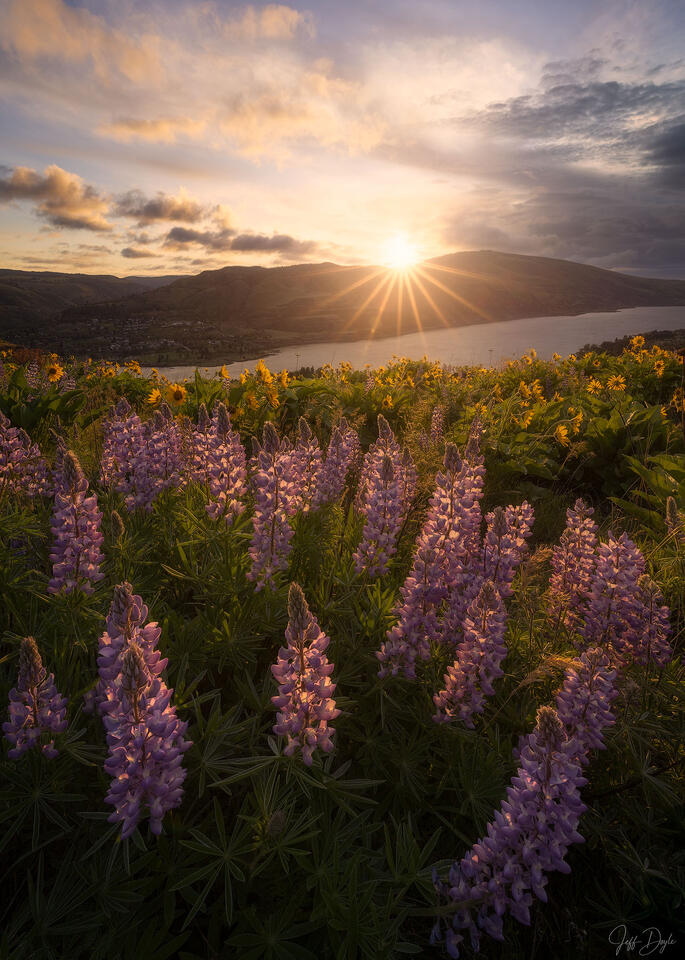
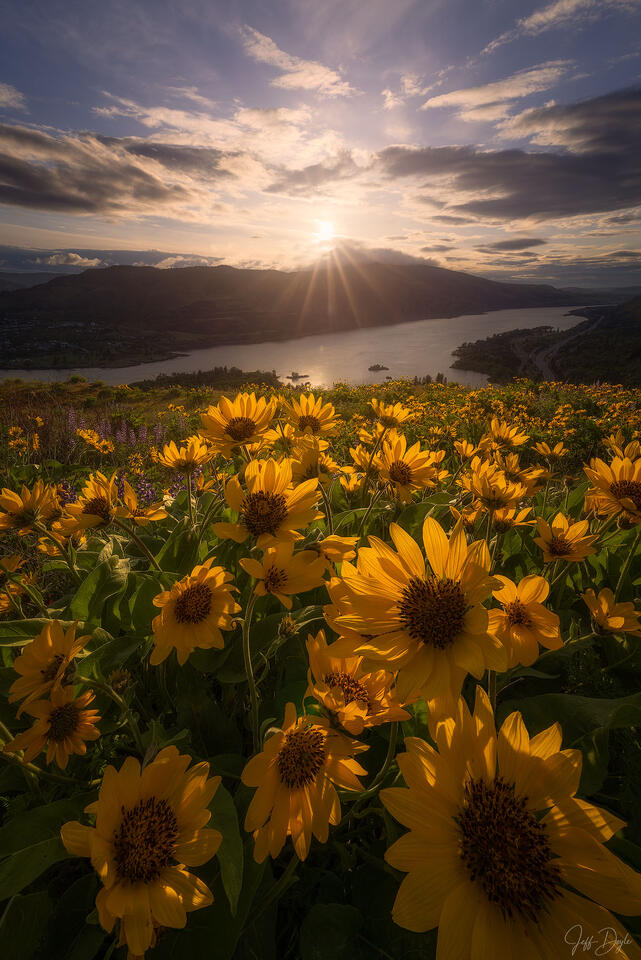
From alpine lupine and Indian paintbrush to high-country asters and desert blooms, each image reflects a moment tied closely to place and season. Light changes quickly in these environments, and small shifts in cloud cover, wind, or shadow can alter the character of a scene. These photographs are made with the flowers as part of a larger landscape, where foreground elements help anchor scale, depth, and atmosphere rather than serving as isolated subjects.
Wildflower landscapes often reward patience more than spectacle. Because bloom timing, weather, and light must align, many of the images in this gallery come from returning to the same locations repeatedly—sometimes over multiple seasons—waiting for flowers to be present under conditions that allow the landscape to come together naturally. A hillside may bloom at the wrong time of day, or a meadow may peak under unsettled weather, making timing as important as composition.
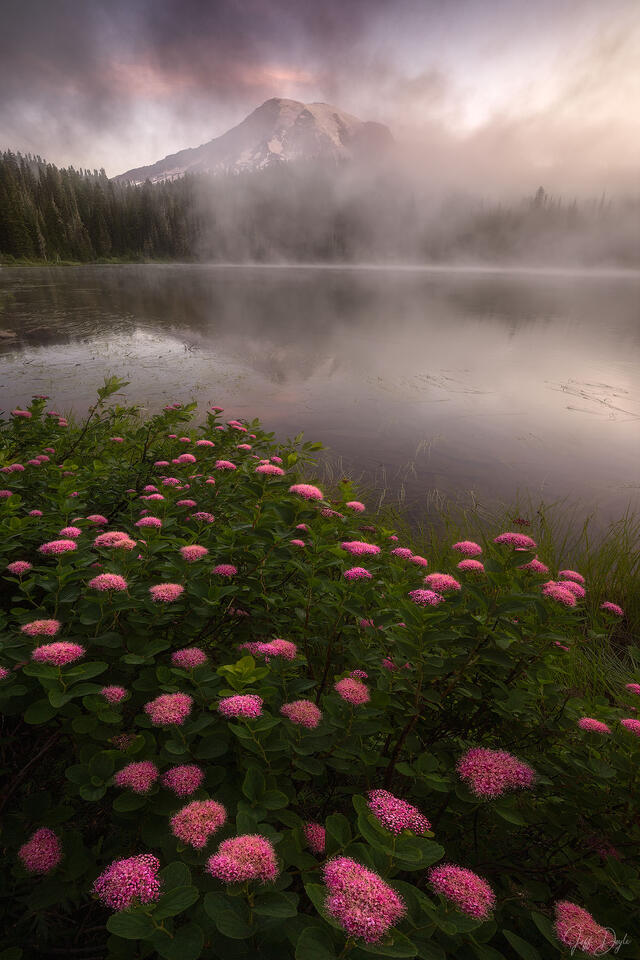
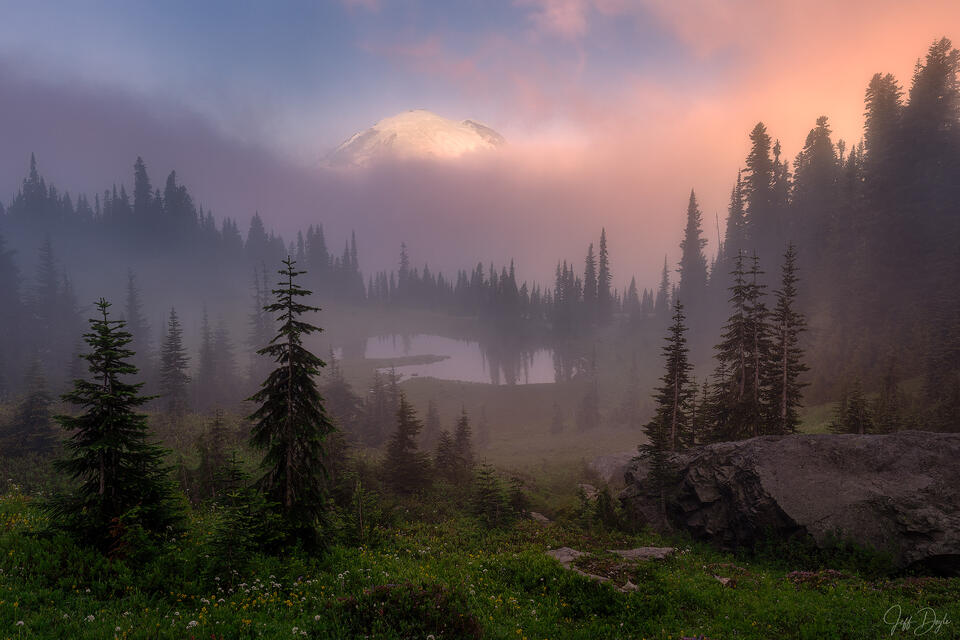
In some scenes, color gathers gently along a trail or slope; in others, a small patch of flowers holds the foreground while mountains, ridgelines, or open sky shape the distance. These photographs reflect how wild places actually feel—uneven, transitional, and constantly changing—where no two visits produce the same result.
Alpine Meadows, Desert Blooms, and Seasonal Change
Wildflowers appear across very different landscapes, from high alpine meadows and mountain basins to forest clearings and desert slopes. Elevation, snowpack, rainfall, temperature, and exposure all influence when a bloom begins and how long it lasts.
In the high country, flowers often emerge within a narrow summer window after the snow retreats. Lower-elevation and desert blooms respond to a different rhythm, sometimes transforming otherwise spare terrain for only a short period. That seasonality is part of what makes these landscapes worth returning to.
Subtle Color and Peak Bloom
Some wildflower photographs are built around softer color and diffused light, where individual blooms blend naturally into grasses, stone, and surrounding terrain. Others capture peak conditions, when stronger concentrations of flowers create more immediate color and contrast across the landscape.
Neither approach is inherently more dramatic. A small foreground patch can give scale to a mountain scene, while a hillside at peak bloom can become the structure of the composition itself. Weather and light determine how that color ultimately appears in the photograph.
Fine Art Wildflower Photography Prints
Each photograph is available as a signed limited-edition print on Lumachrome TruLife acrylic, ChromaLuxe metal, or cotton rag fine art paper. For more detail about edition sizes, print sizes, and collectibility, see the guide to editions, sizes, and materials.
Explore Related Landscape Photography
Wildflower landscapes connect naturally with several other collections. Explore mountain photography for high-country landscapes where peaks and elevation take the lead, grassland and desert landscapes for more open terrain, autumn landscapes for another expression of seasonal color, or waterfall photography for forested landscapes shaped by moving water.
Help Choosing the Right Piece
If you would like help selecting the right image or size for your space, you are welcome to reach out directly. For general advice about sizing, orientation, and placement, see the guide to choosing fine art photography for your space.