Mountain Photography Shaped by Light and Weather
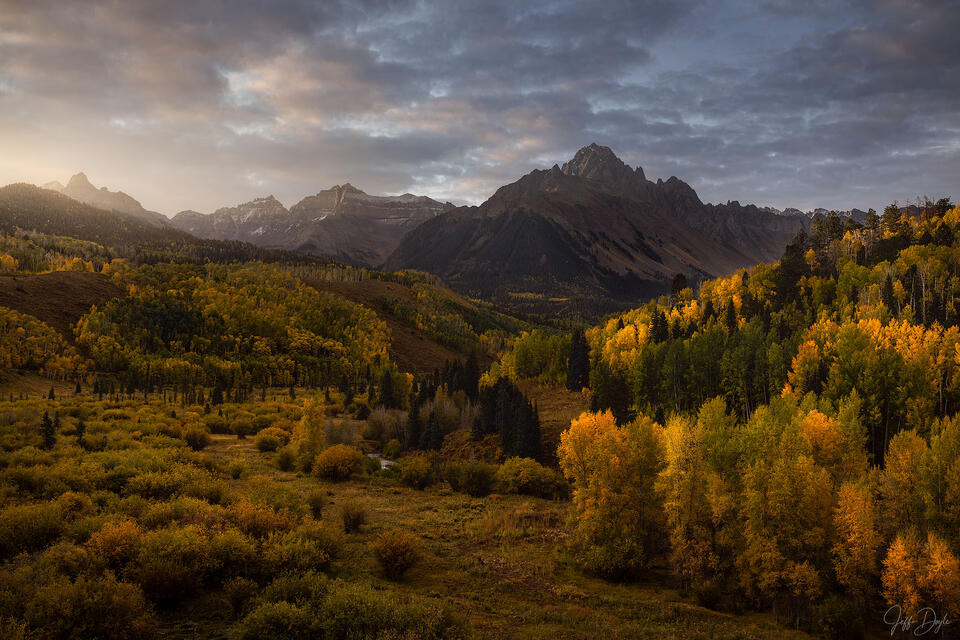
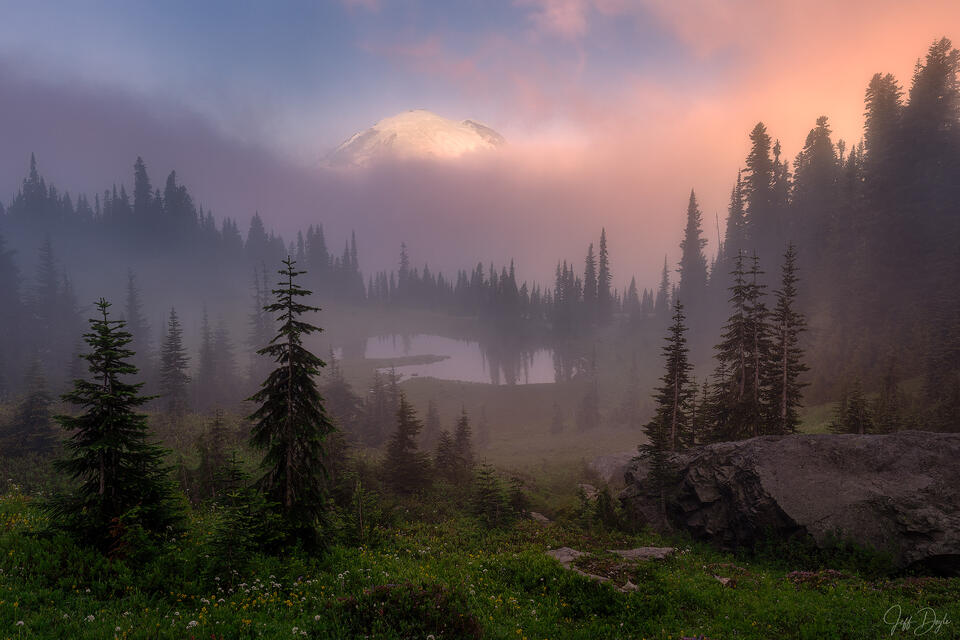
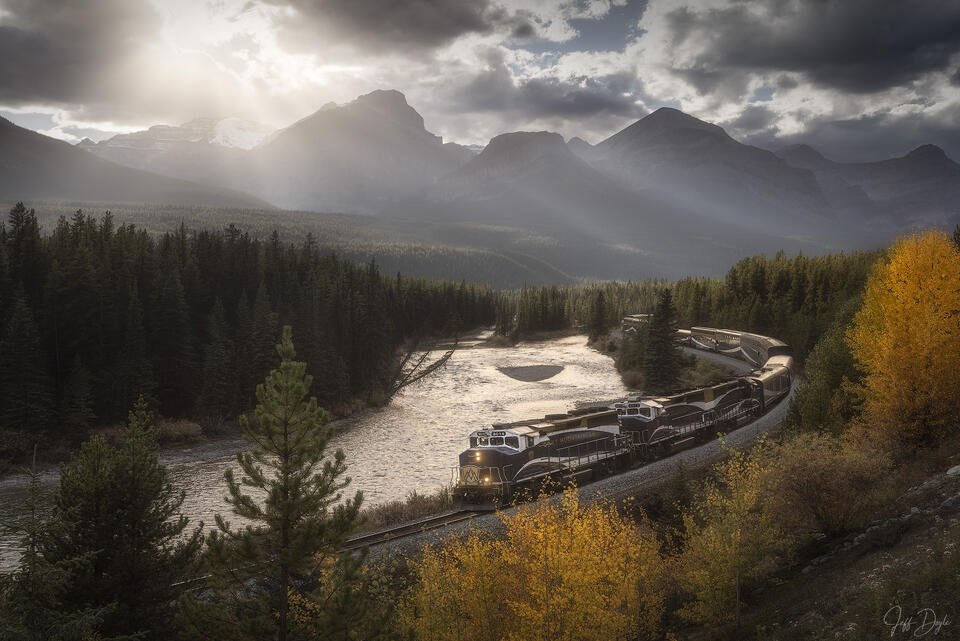
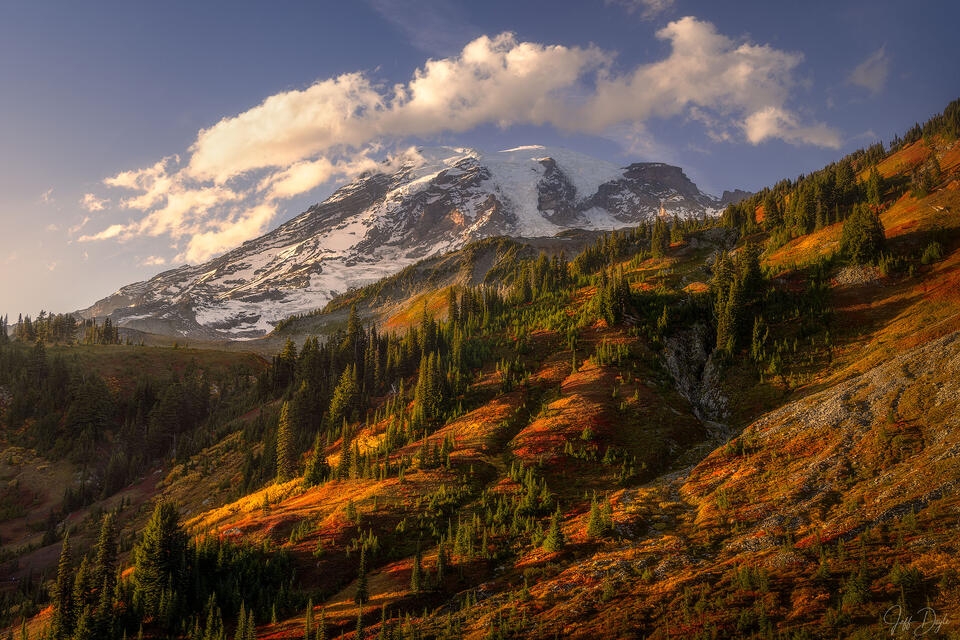
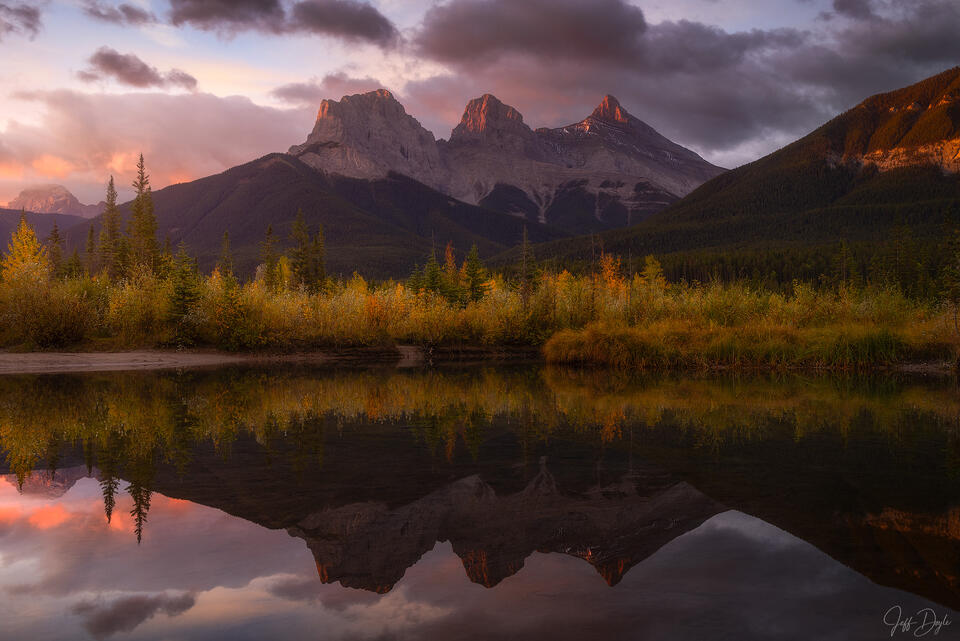
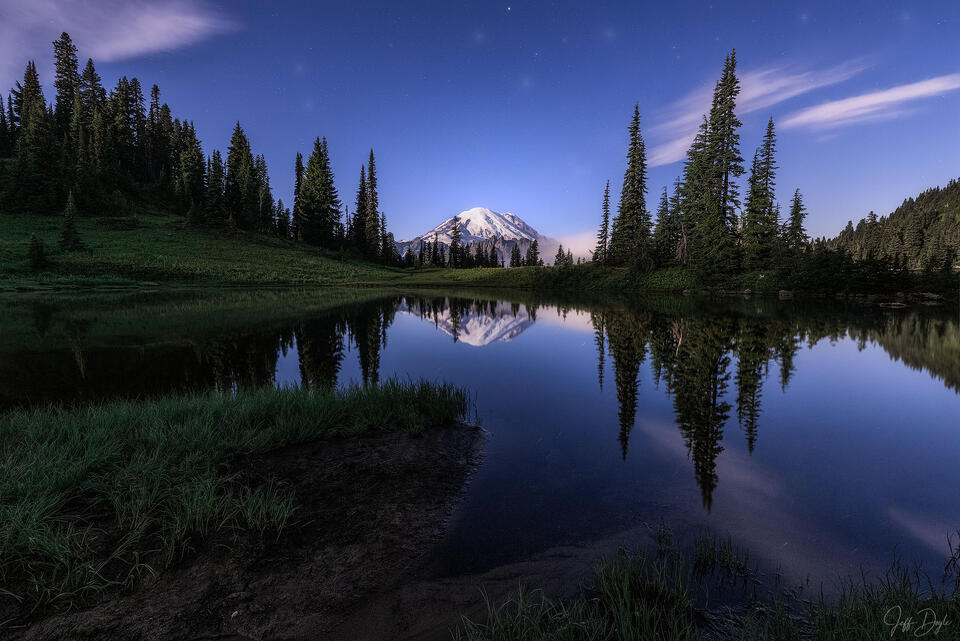
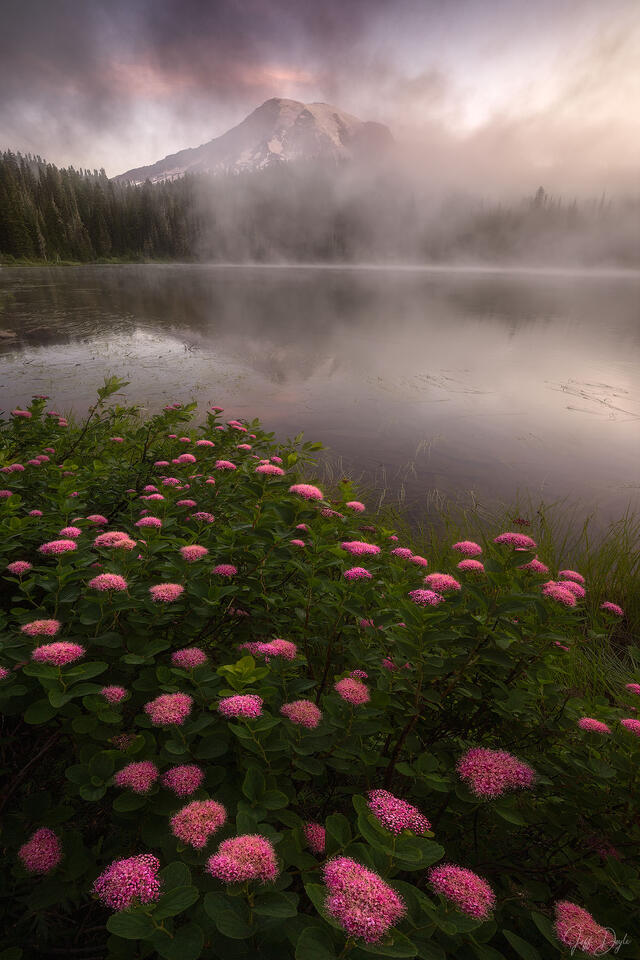
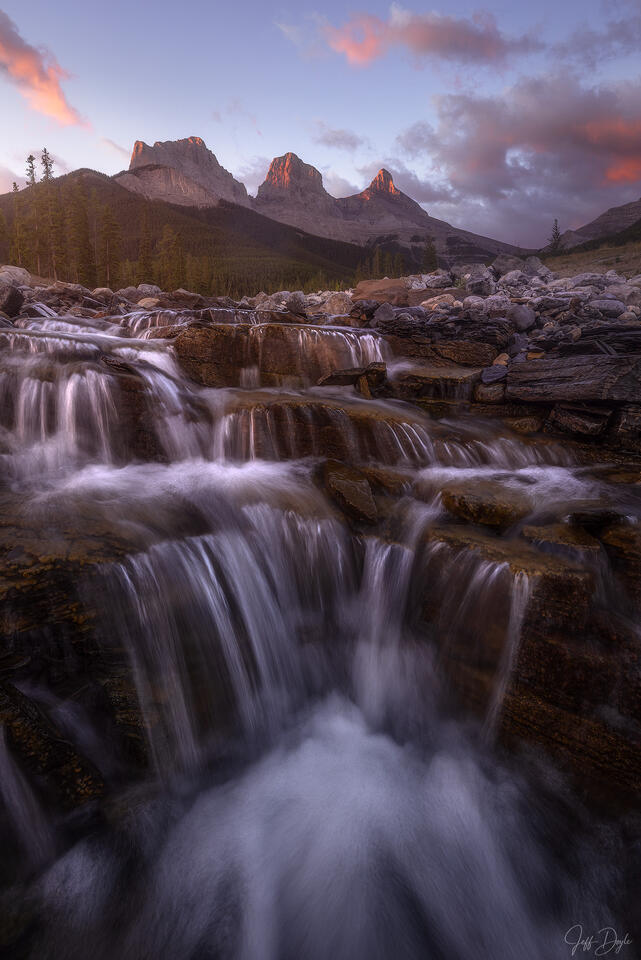
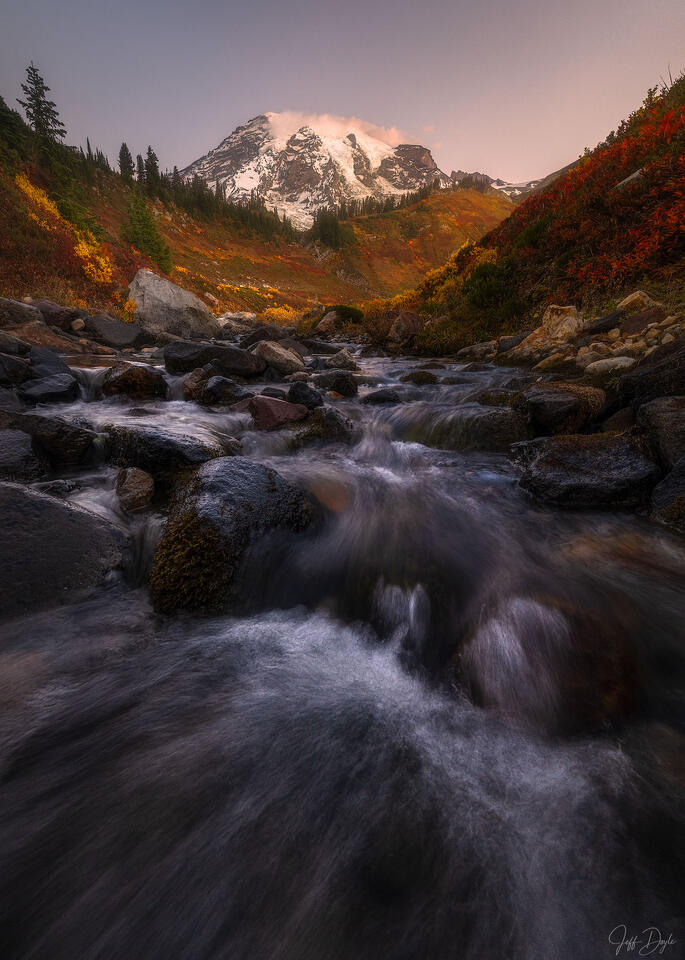
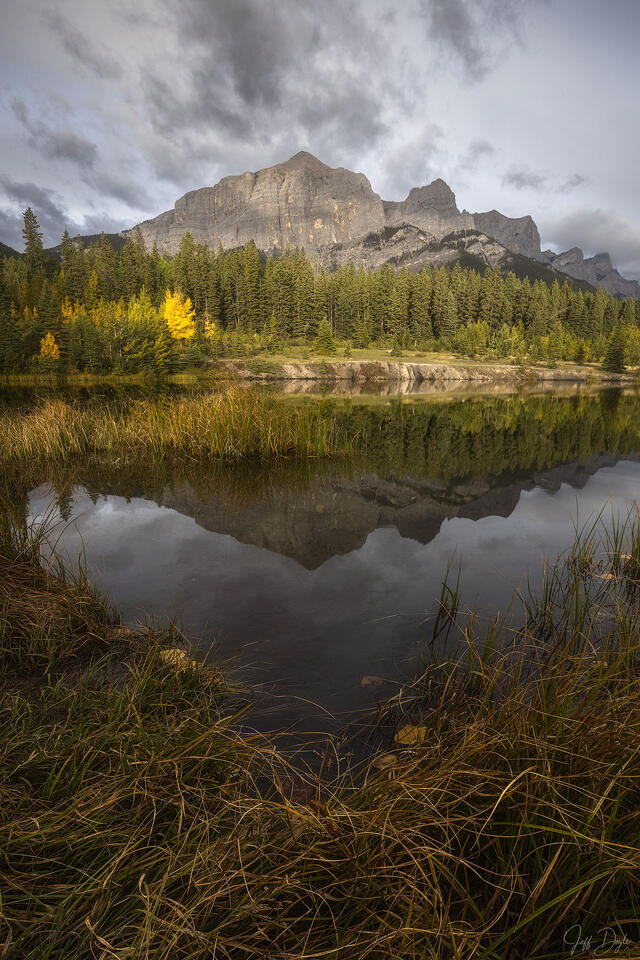
Mountains are defined as much by atmosphere as by form. Clouds build and dissolve. Light slides across stone and snow. Valleys hold shadow while peaks catch the first and last glow of day. This collection focuses on those transitions, when the landscape feels balanced between stillness and movement.
Many of these images were made after long approaches, repeated visits, and careful timing. Some scenes come together in minutes; others take years to return to the right conditions. The result is a body of work shaped by patience and familiarity with place rather than spectacle alone.
Peaks, Meadows, and Seasonal Change
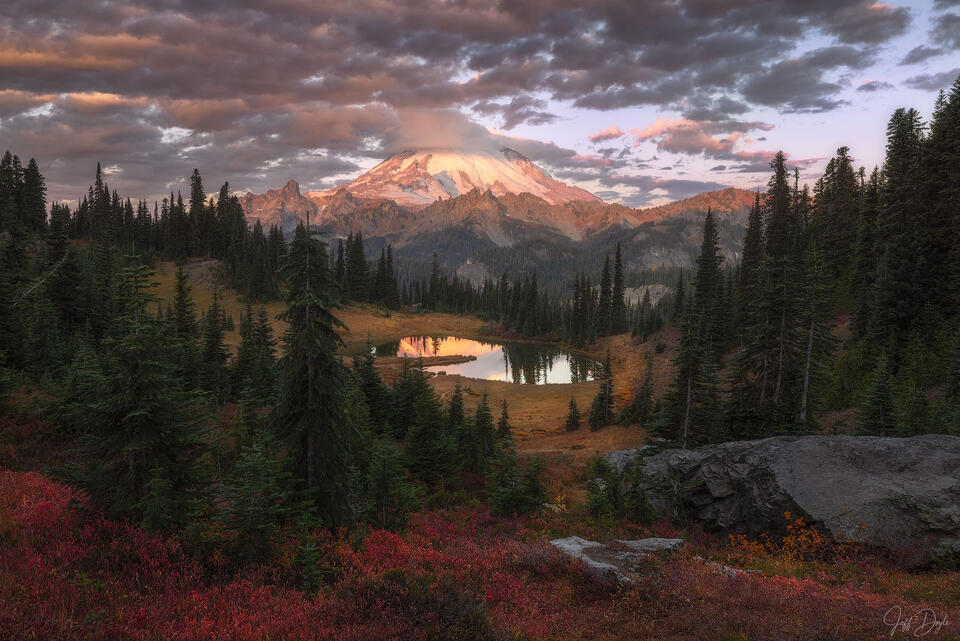
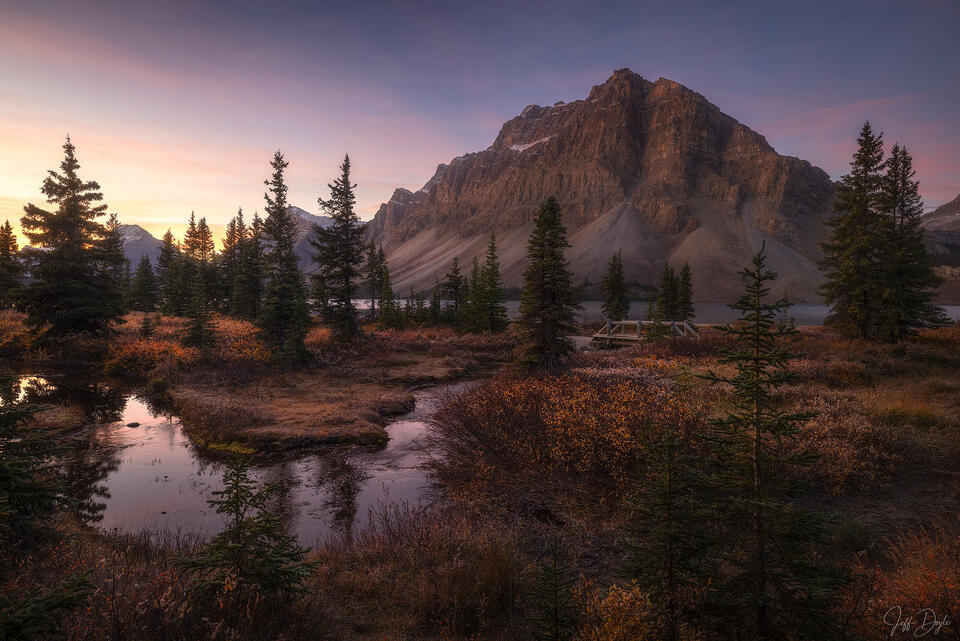
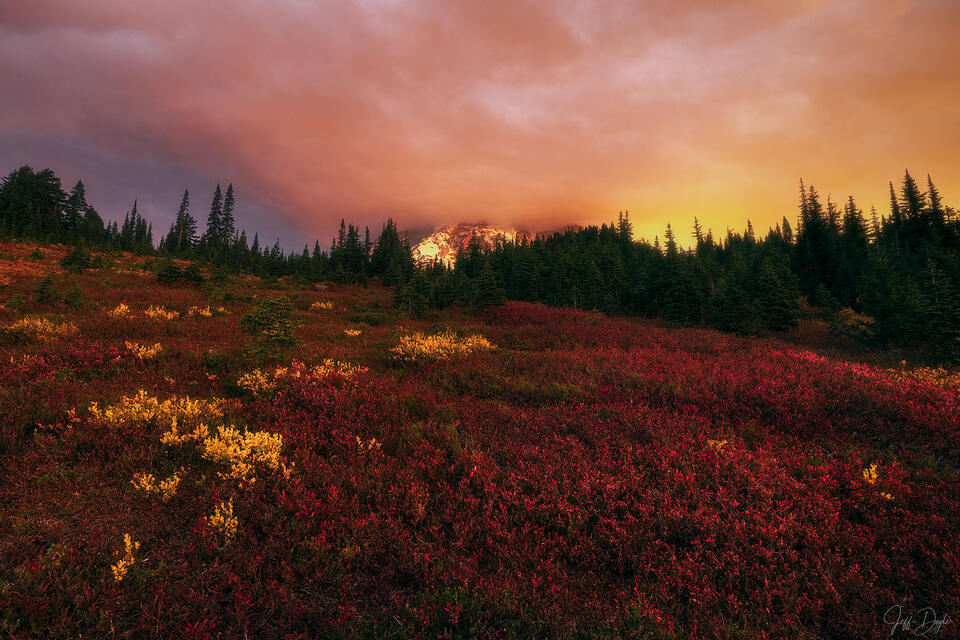
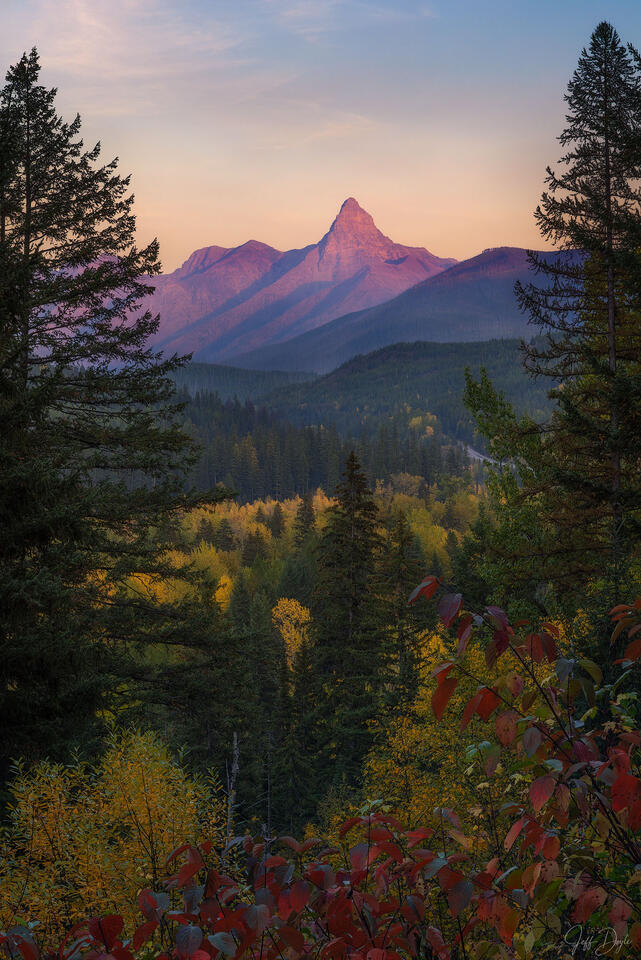
Across seasons, mountains reveal entirely different personalities. Summer brings depth and texture to alpine basins and high meadows. Autumn introduces warmth and contrast as grasses and trees shift tone. Winter simplifies everything, reducing the landscape to shape, light, and silence.
This collection reflects that range. Some images feel expansive and open, while others are quieter and more intimate. Together, they offer a grounded view of mountain landscapes as living systems—constantly changing, never static. For a deeper look at individual seasons, explore the autumn landscape and winter landscape collections.
Color, Atmosphere, and Scale
Mountain landscapes often balance cool and warm tones in subtle ways. Snow, sky, and stone lean toward blues and neutrals, while sunrise and sunset introduce warmth through light rather than heavy color saturation. Weather can change that balance quickly, from soft alpine light and open skies to clouds, mist, and dramatic contrast.
Some photographs emphasize broad ridgelines, valleys, and distant peaks to convey the scale of the landscape. Others focus on quieter moments—a layer of light across a basin, snow tracing a ridge, or clouds moving around a summit. Both approaches reveal a different side of the high country.
Fine Art Mountain Photography Prints
Each photograph is available as a signed limited-edition print on Lumachrome TruLife acrylic, ChromaLuxe metal, or cotton rag fine art paper. For more detail about edition sizes, print sizes, and collectibility, see the guide to editions, sizes, and materials.
Explore Related Landscape Photography
Mountain landscapes connect naturally with several other collections. Explore waterfall photography for moving water within similar terrain, wildflower landscapes for seasonal color in alpine environments, Southwest landscapes for a drier expression of elevation and geology, or winter photography for mountains reduced to snow, light, and form.
Help Choosing the Right Piece
If you would like help selecting the right image or size for your space, you are welcome to reach out directly. For general advice about sizing, orientation, and placement, see the guide to choosing fine art photography for your space.