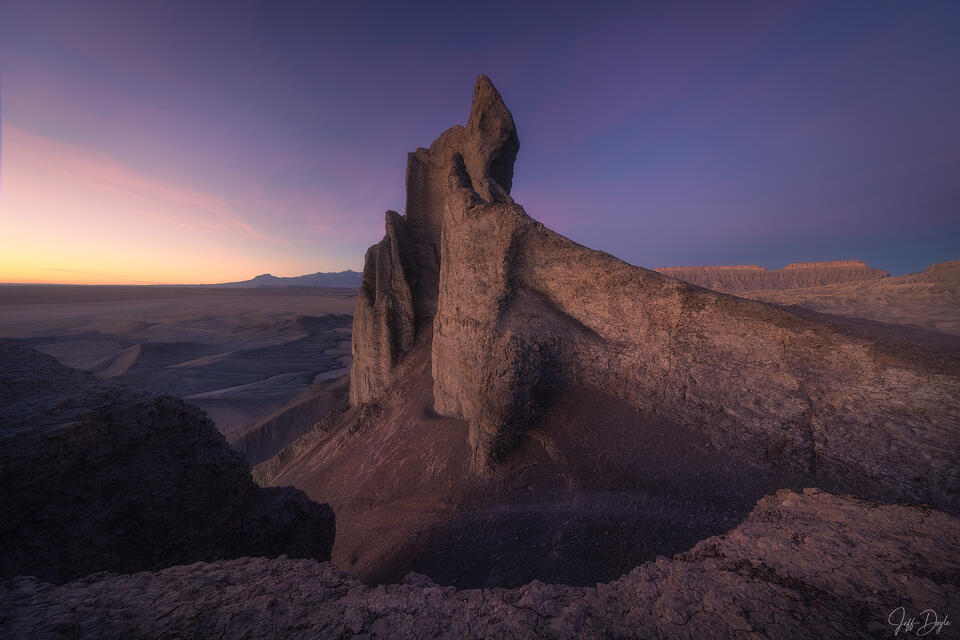
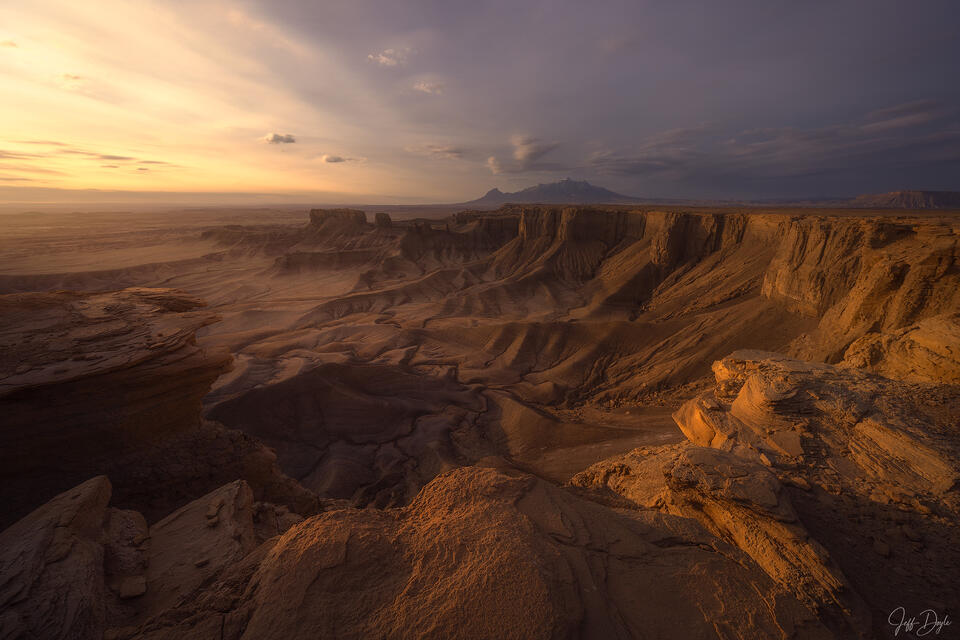
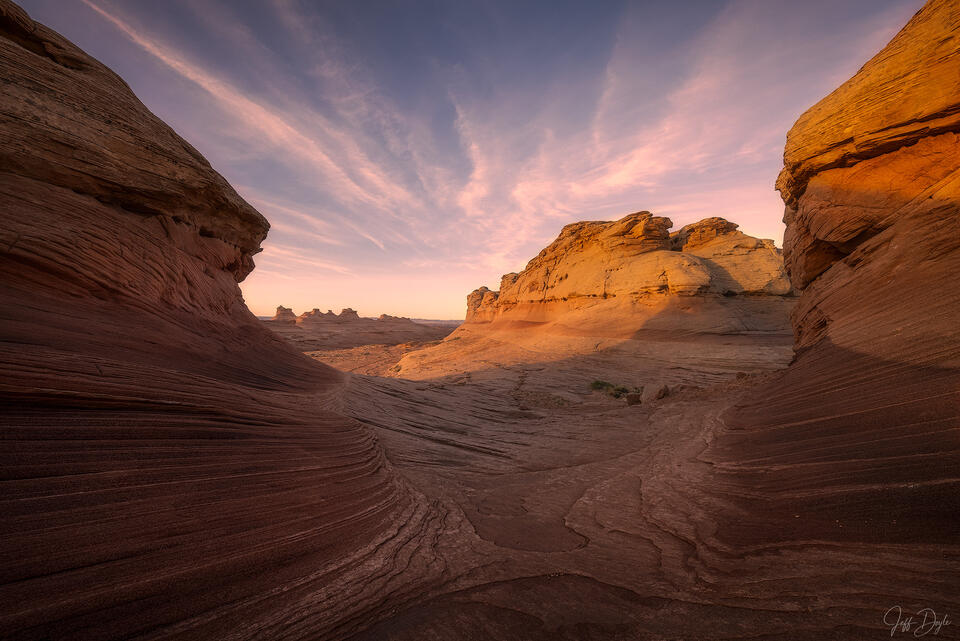
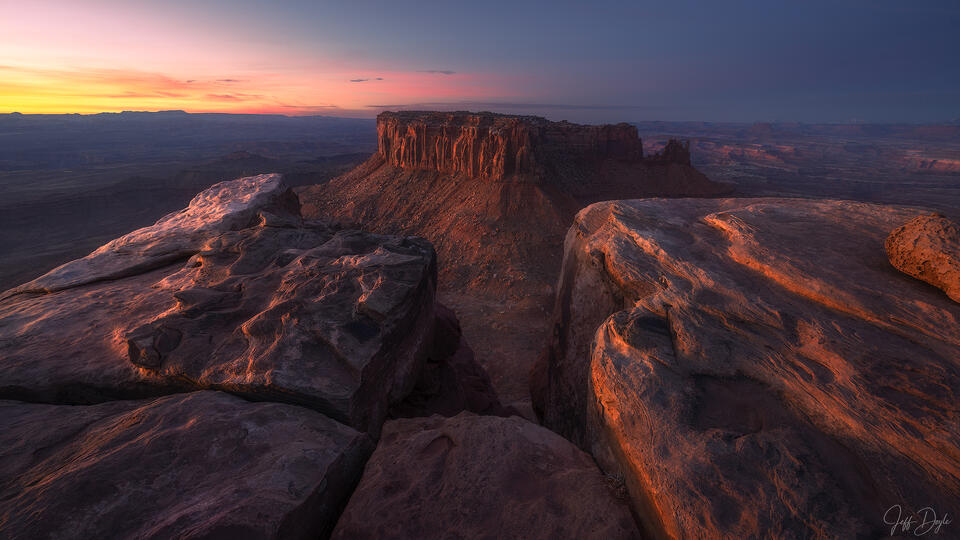
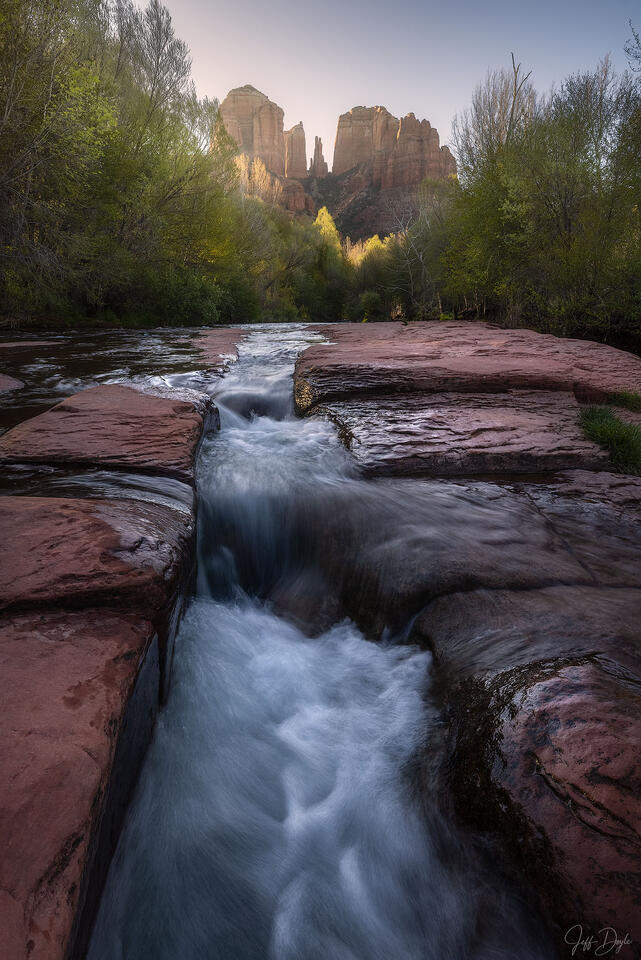
Glowing Light Across Desert Landscapes
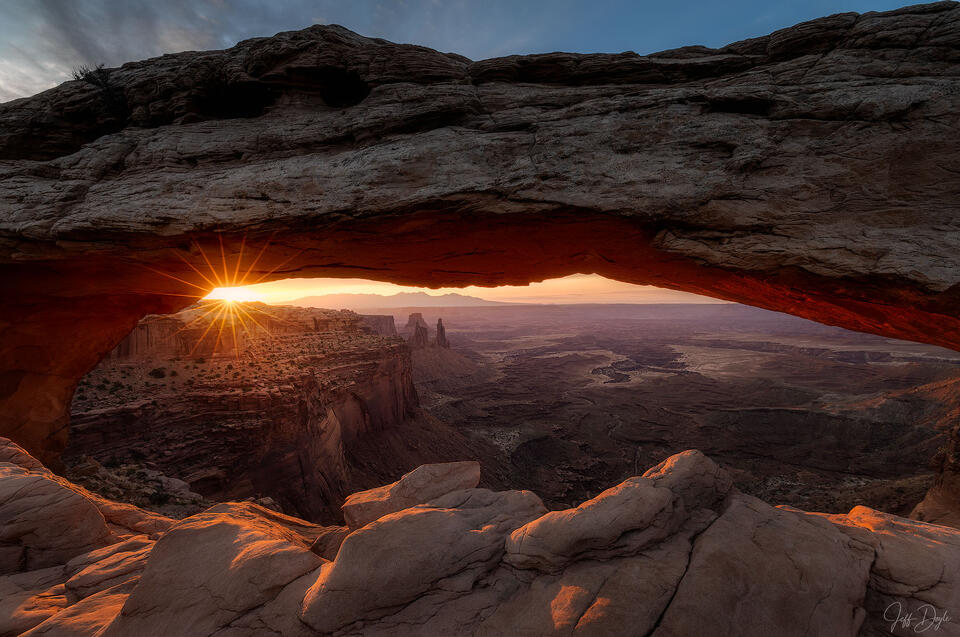
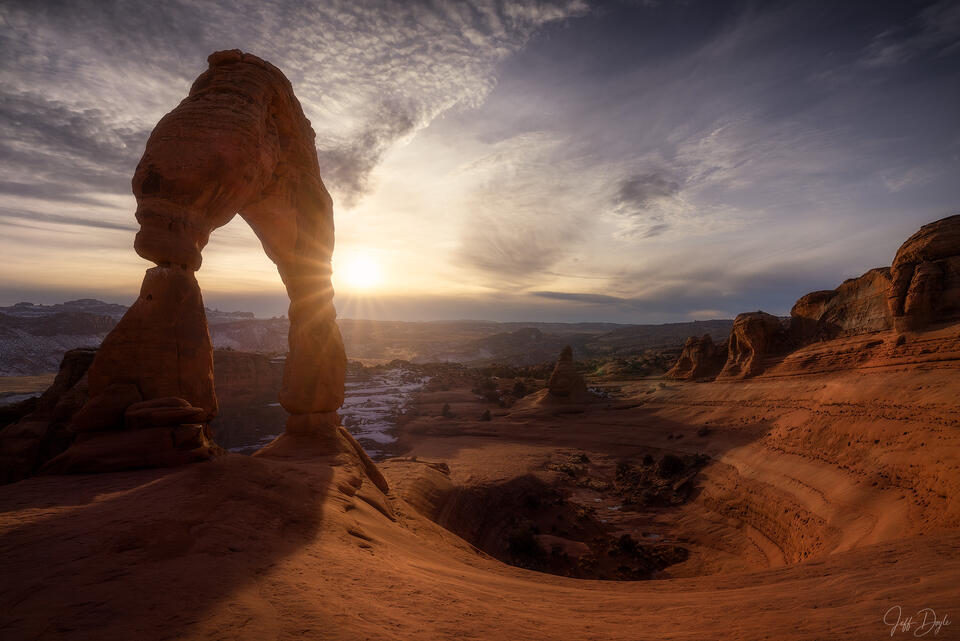
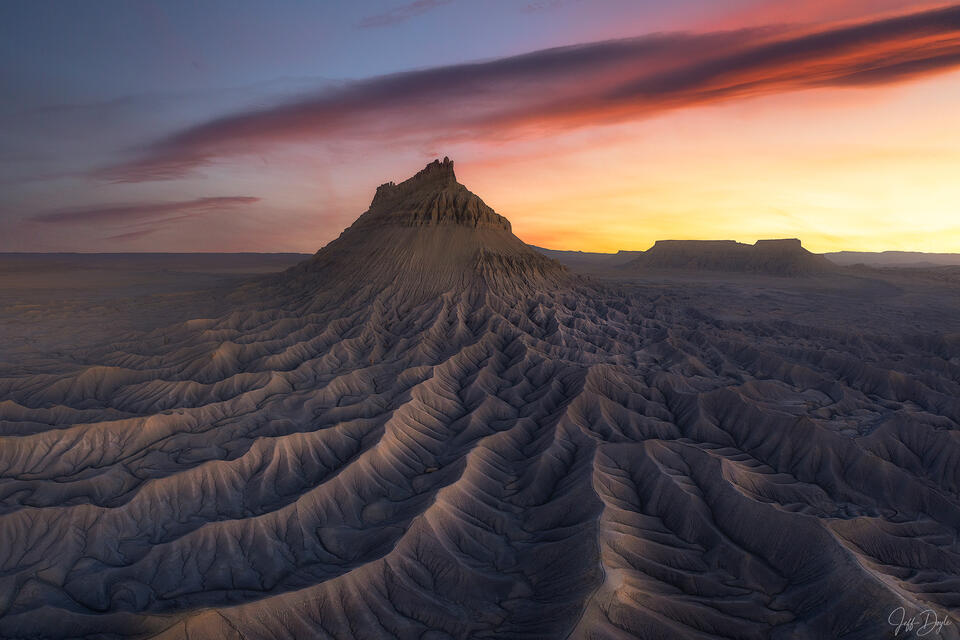
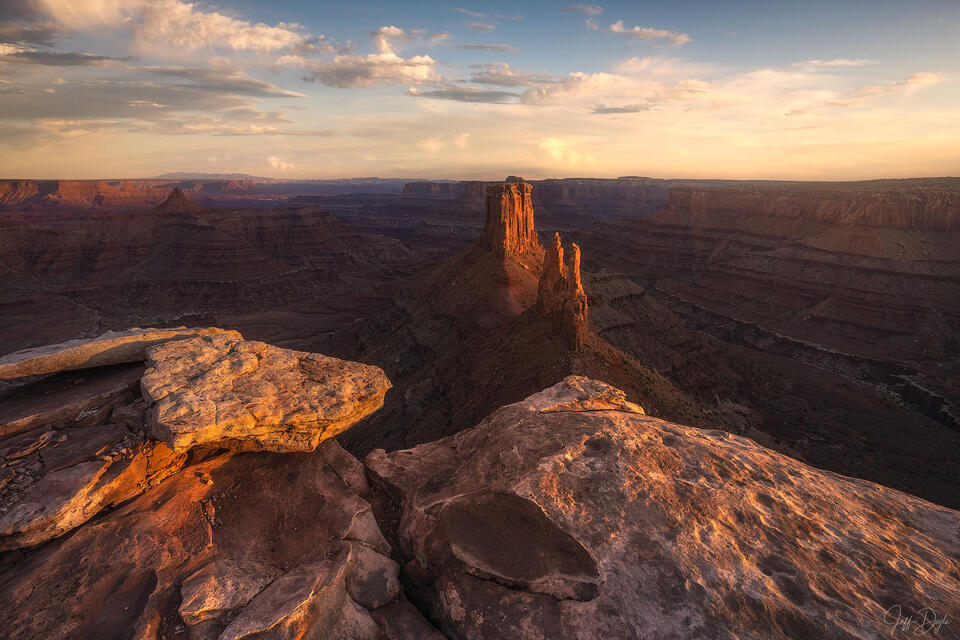
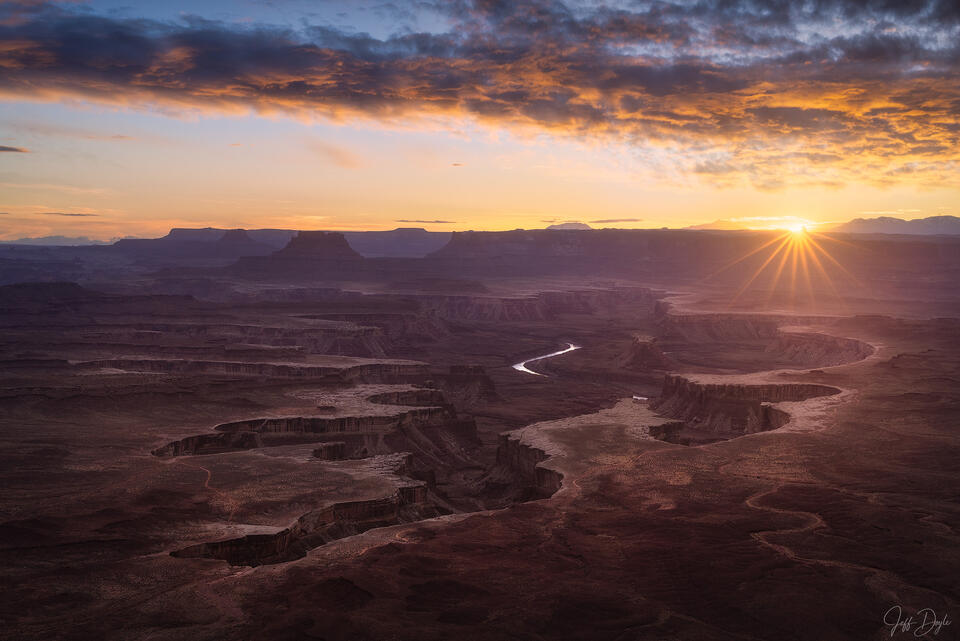
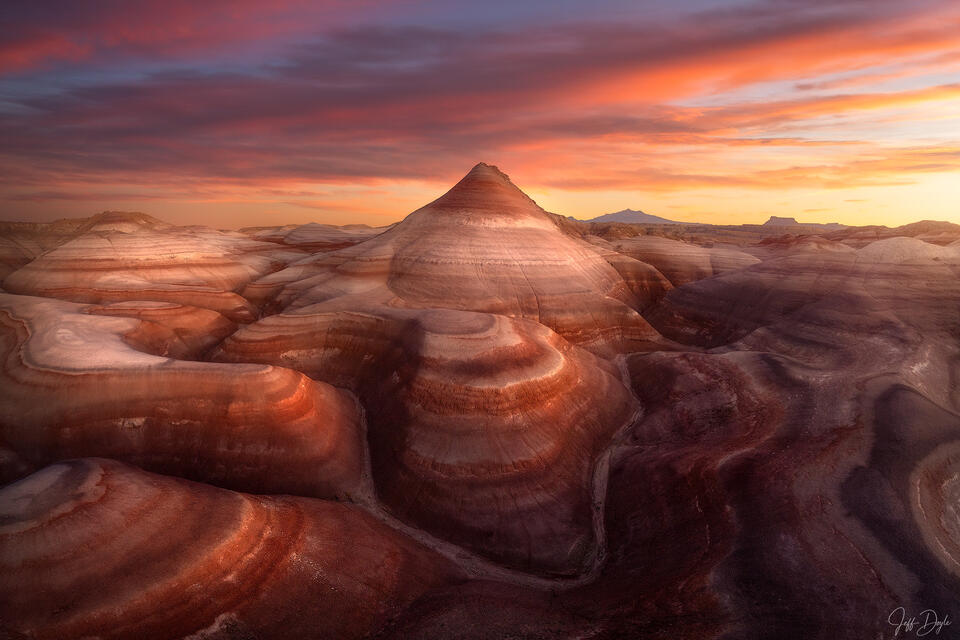
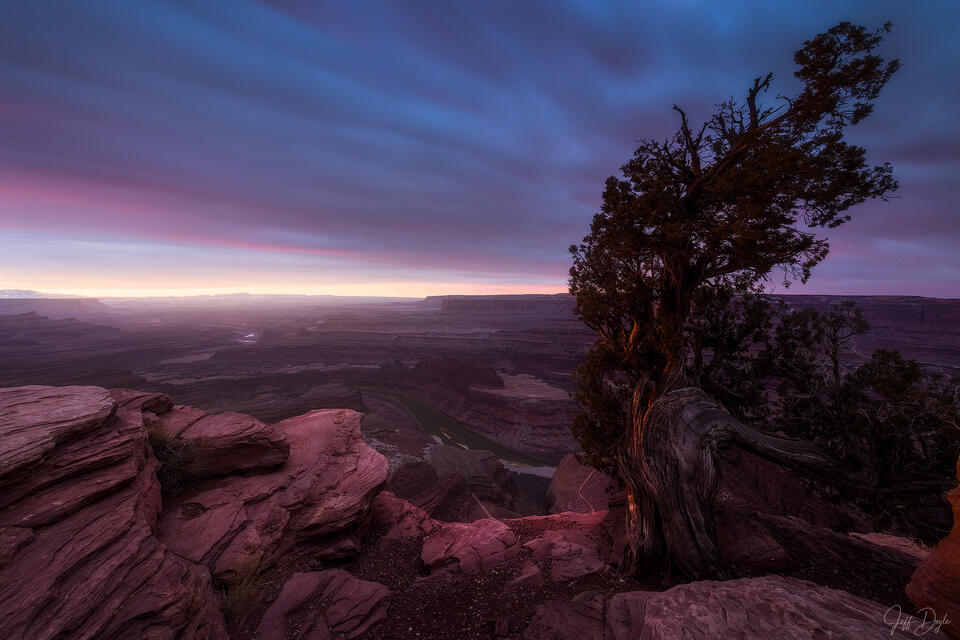
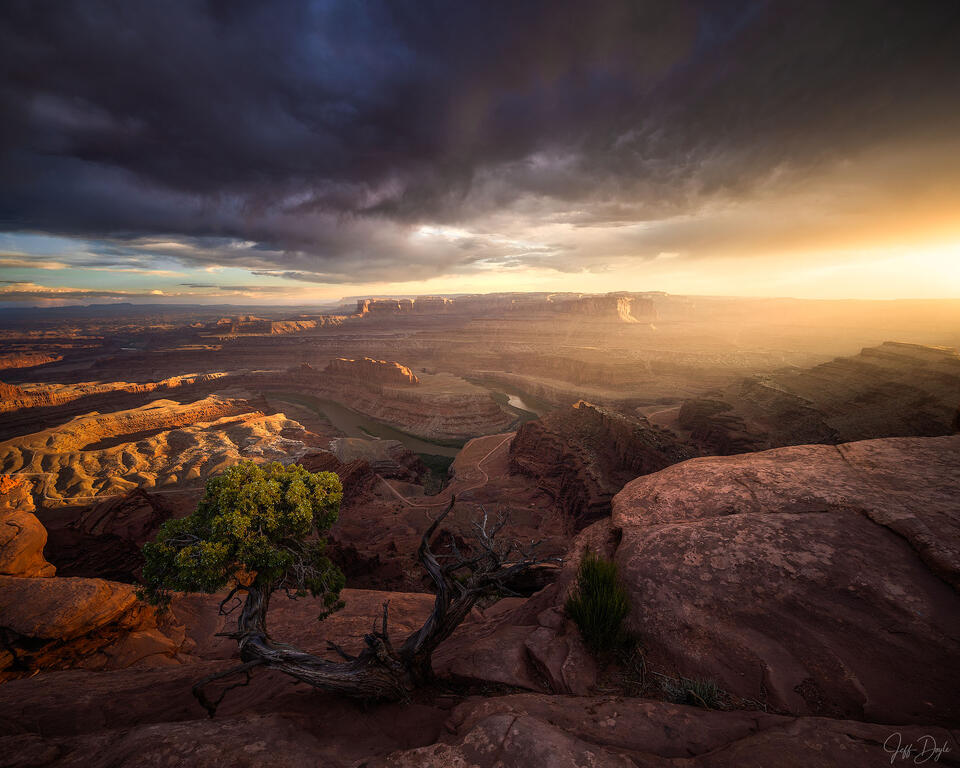
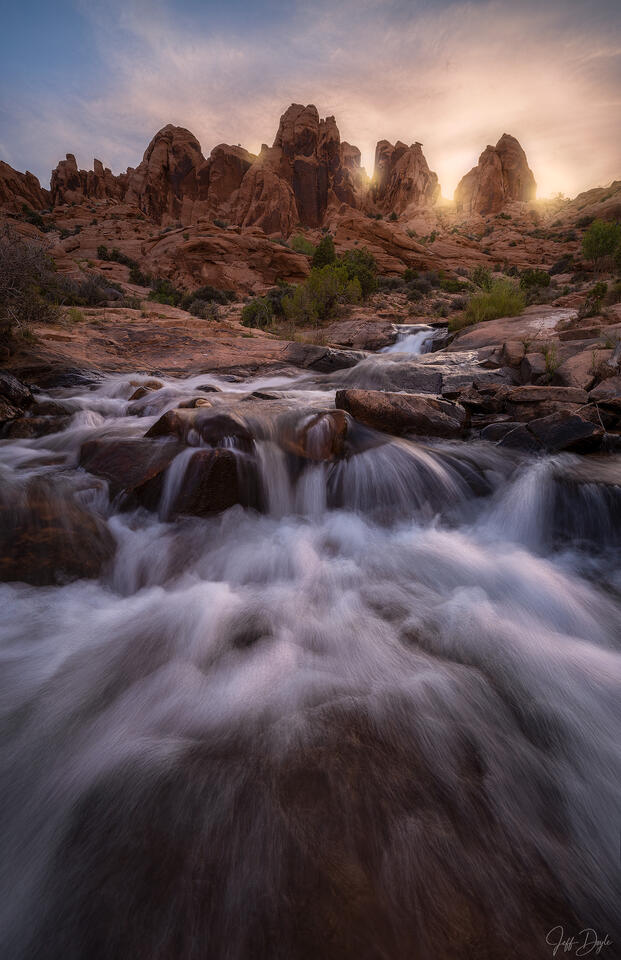
The desert is a place of extremes, yet it often reveals moments of quiet subtlety. In Utah’s red rock country, Arizona’s canyonlands, and New Mexico’s high desert mesas, every surface tells a story of time and erosion. Light moves across stone walls, casting long shadows and igniting warm tones of crimson, orange, and gold. Each image in this collection reflects those fleeting moments when the desert’s color and structure become most visible.
Harsh midday sun gives way to glowing pastels at sunrise and sunset, while twilight simplifies the land into silhouettes of shadow and fire. Many of these images were created through repeated visits, returning to the same locations under different light and seasonal conditions. My goal with each photograph is to capture both the scale of these landscapes and the quieter details that emerge over time—patterns in stone, reflected light, and subtle transitions that are often missed at first glance.
Sandstone, Canyons, and Desert Geology
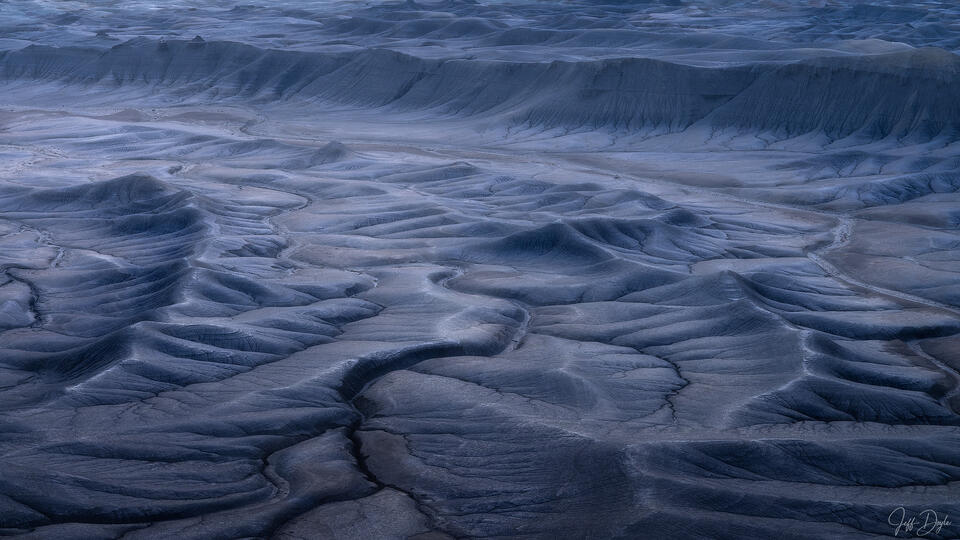
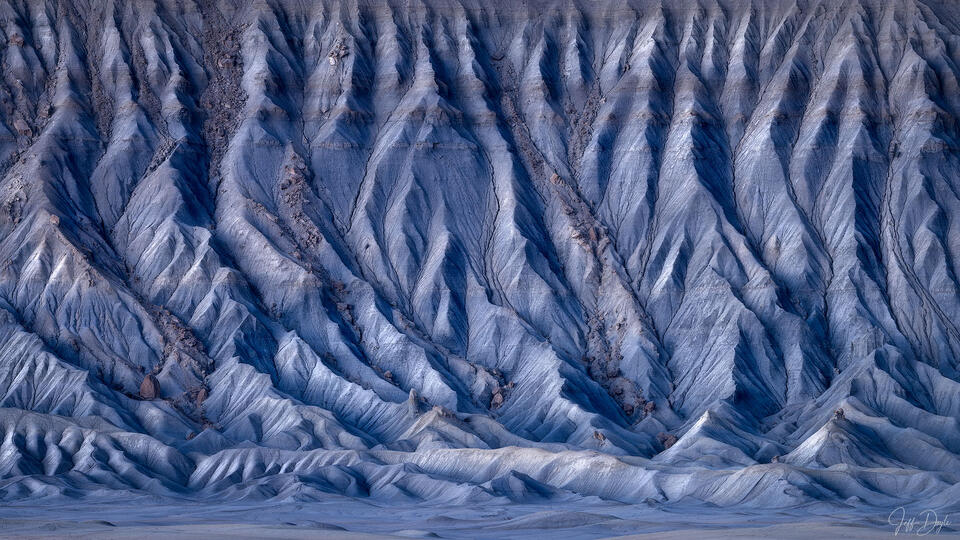
Desert landscape photography is shaped as much by geology as by light. Sandstone arches, slot canyons, mesas, cliffs, and deeply eroded river corridors create strong lines and repeating forms across the American Southwest. Wind, water, and enormous spans of time continually reshape these landscapes, even when the land appears almost motionless.
Some photographs emphasize monumental scale, with canyon walls or distant mesas dominating the frame. Others focus on smaller relationships between reflected light, layered stone, erosion patterns, and shadow. Those quieter details often reveal themselves only after spending time in the same landscape under changing conditions.
Subtle and Dramatic Desert Light
Some desert photographs depend on softer conditions, where long shadows, muted color, and reflected light reveal form gradually. Others come together during more dramatic moments, when glowing canyon walls, storm clouds, or intense directional light create stronger contrast.
The same location can produce completely different photographs depending on season, weather, and time of day. That variability is part of what continues to draw me back to the Southwest.
Notable Landscapes of the American Southwest
Much of my work in the American Southwest centers around the Moab region in southeastern Utah, an area with an extraordinary concentration of red-rock landscapes. Arches National Park, Canyonlands National Park, and Dead Horse Point State Park each have a distinct character, from sculptural sandstone arches and sheer canyon walls to expansive overlooks carved by the Colorado River. These locations reward repeat visits as changing light, weather, and seasons continually reshape how the land reveals itself.
Summer can bring dramatic monsoon storms and towering clouds, while autumn introduces cooler temperatures and softer light. Winter creates an entirely different landscape when snow settles against red sandstone, simplifying the scene and emphasizing form and texture.
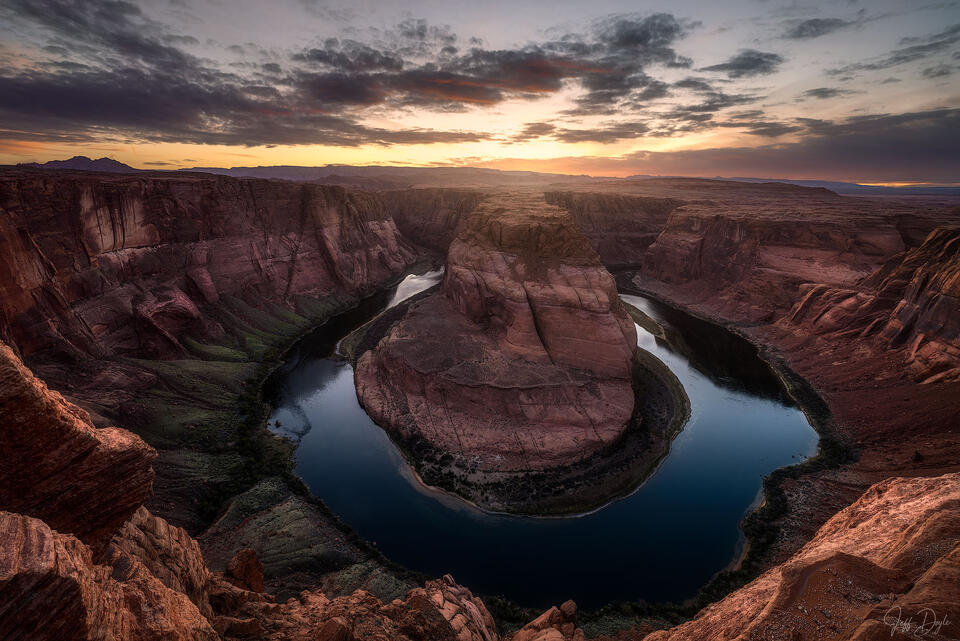
Arizona also plays an important role in this collection. Sedona, Horseshoe Bend, and the Grand Canyon reveal the Southwest at monumental scale, where layers of rock and broad canyon views stretch far beyond the horizon. Together with the mesas and desert terrain of New Mexico and Nevada, these landscapes show how varied the American Southwest can be despite the common influence of geology, aridity, and light.
Fine Art Desert Photography Prints
Each photograph is available as a signed limited-edition print on Lumachrome TruLife acrylic, ChromaLuxe metal, or cotton rag fine art paper. For more detail about edition sizes, print sizes, and collectibility, see the guide to editions, sizes, and materials.
Explore Related Landscape Photography
Southwest landscapes connect naturally with several other collections. Explore Palouse and high desert photography for the quieter open landscapes of eastern Washington and Oregon, mountain photography for broader elevation and scale, or night sky and Milky Way photography for desert landscapes photographed after dark.
Help Choosing the Right Piece
If you would like help selecting the right image or size for your space, you are welcome to reach out directly. For general advice about sizing, orientation, and placement, see the guide to choosing fine art photography for your space.