
Calming Pictures: How Nature Photography Creates a Sense of Peace
Calming pictures often share a few visual qualities: soft light, simple compositions, flowing water, open space, repeating natural patterns, and colors that feel balanced rather than chaotic. Nature photography can be especially effective because it gives us a visual connection to places that many people already associate with quiet, distance, fresh air, and time away from everyday demands.
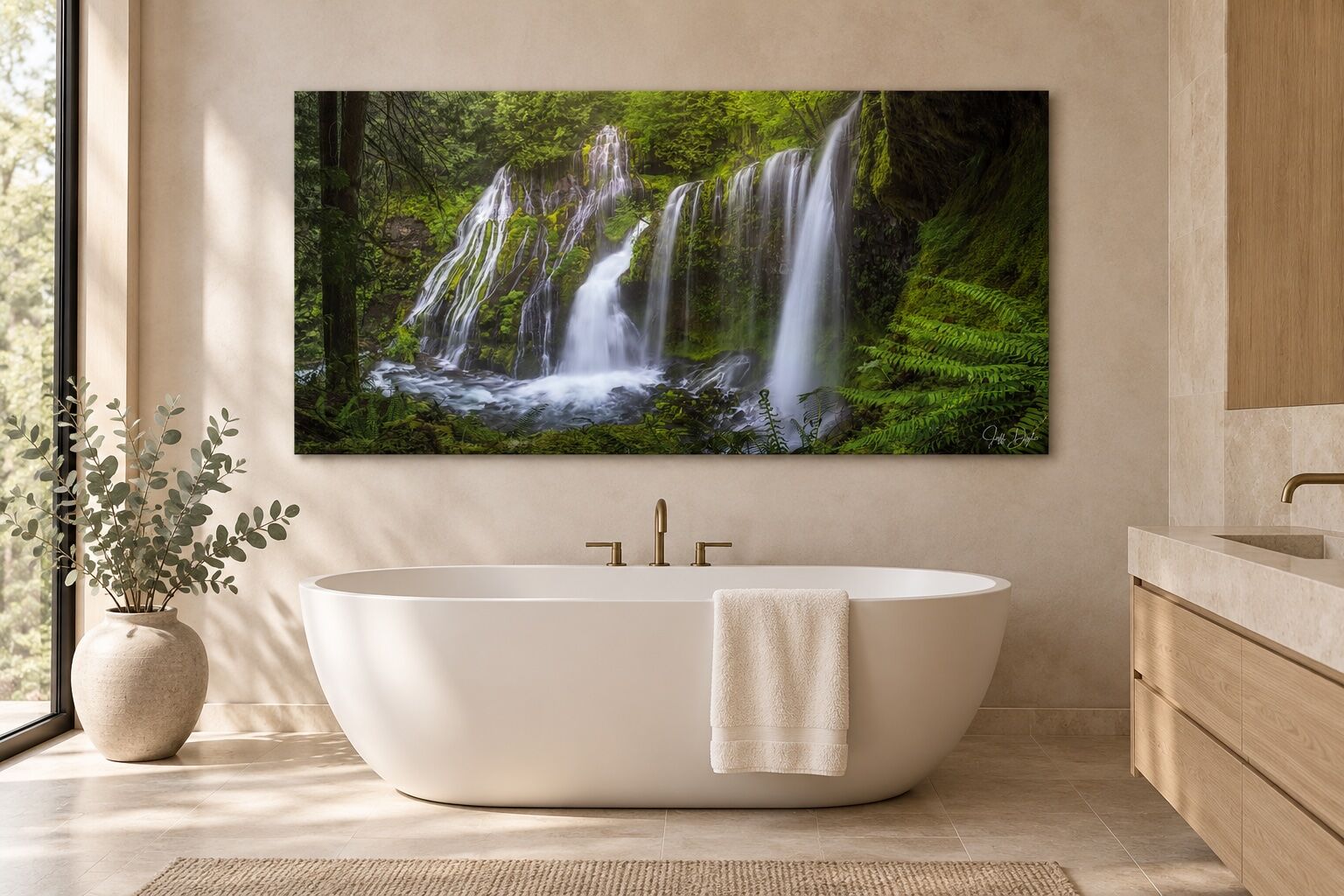
As a landscape photographer, I spend a lot of time watching how weather, light, water, fog, and color change the feeling of a scene. Some landscapes feel energetic and dramatic, while others immediately slow the eye down. Those quieter scenes are often the ones that make the most calming photographs.
Why Do Some Pictures Feel Calming?
Part of the answer is visual simplicity. A photograph with fewer competing elements gives the eye less work to do, while soft transitions, natural patterns, and open space can create a sense of order and ease.
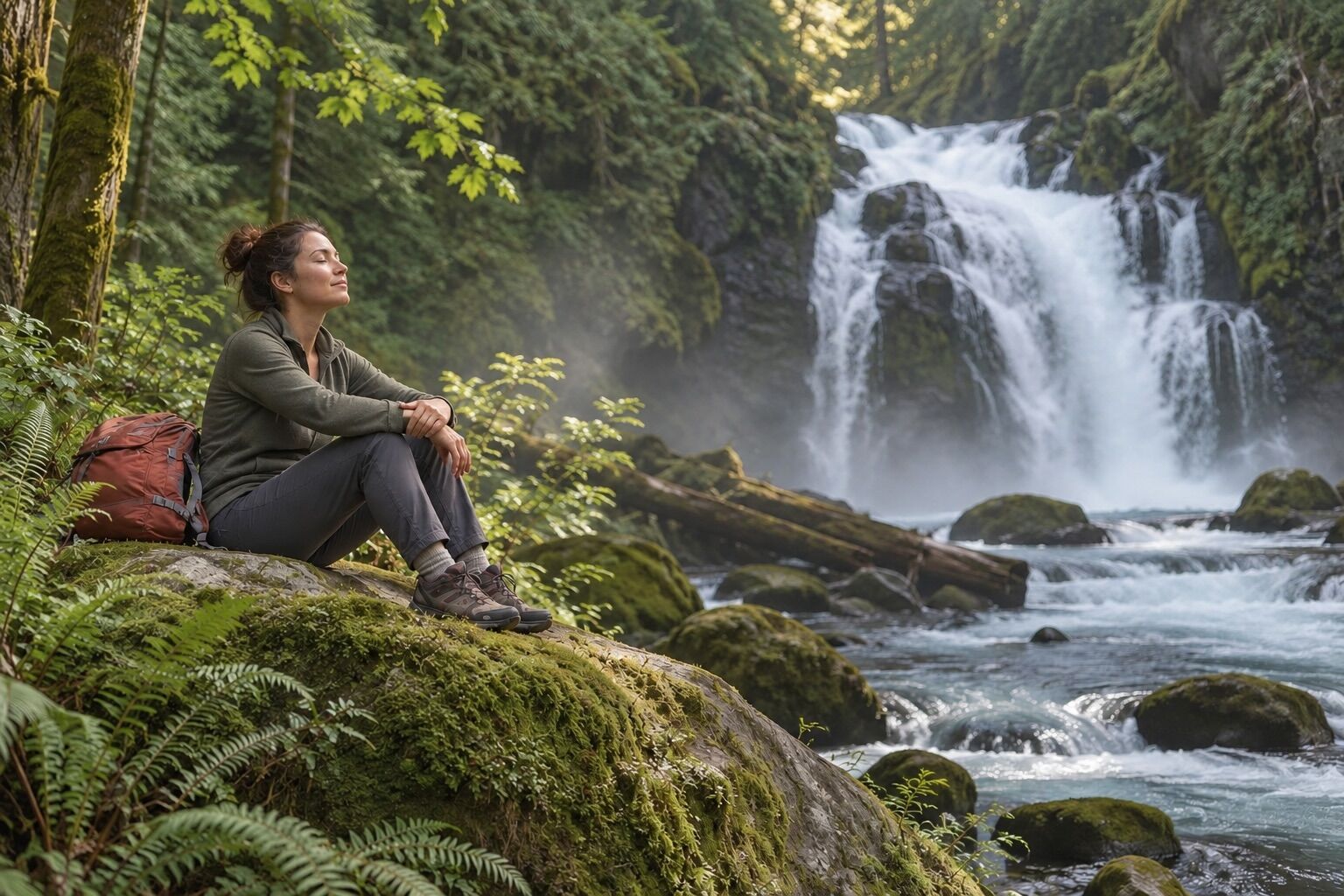
There is also a substantial body of research suggesting that exposure to natural environments, and even to images of nature, can support stress recovery, improve mood, and help restore attention. Two frameworks are cited more than any others. Environmental psychologist Roger Ulrich's Stress Reduction Theory grew in part out of a 1984 study in which hospital patients recovering from surgery in rooms with a window view of trees needed less pain medication and were discharged sooner than patients whose windows faced a brick wall. Rachel and Stephen Kaplan's Attention Restoration Theory proposes that natural scenes hold our attention gently, through what the Kaplans called "soft fascination," allowing the mind's directed-attention capacity to recover. The effect is not the same for every person, and a photograph is not a substitute for time outdoors, but the connection between nature and psychological restoration is well established enough to take seriously.
Calming Pictures at a Glance
| Visual Element | Why It Can Feel Calming |
|---|---|
| Water | Flow, reflection, and repetition can create visual rhythm and reduce a sense of clutter. |
| Fog | Fog removes detail and simplifies a scene, allowing the eye to rest on fewer elements. |
| Forests | Repeating shapes, filtered light, and natural greens can create a sense of enclosure and continuity. |
| Open landscapes | Large areas of sky, water, or distant terrain can create visual breathing room. |
| Soft light | Gentle transitions and lower contrast often feel less visually aggressive than harsh midday light. |
| Muted color | Subtle palettes can reduce visual competition and create a more restful overall impression. |
| Repetition | Patterns in trees, waves, fields, or reflections can produce a steady visual rhythm. |
Water and Reflections
Water is one of the subjects I return to again and again because it can completely change the emotional tone of a photograph. A still lake can create symmetry and quiet, while a slowly moving river introduces a softer sense of motion without necessarily making the image feel busy.
Reflections can also simplify a composition. Instead of seeing the landscape as a collection of separate objects, the viewer begins to see shapes, color, and repeated forms. That shift toward abstraction can make a photograph feel less literal and more meditative.
Researchers studying so-called blue spaces, meaning aquatic environments such as lakes, rivers, and coastlines, have found associations between these settings and positive well-being outcomes. A photograph of water is not the same experience as standing beside a lake or ocean, but imagery can still evoke the memories and associations connected with those places.
Why Fog Can Make a Photograph Feel Peaceful
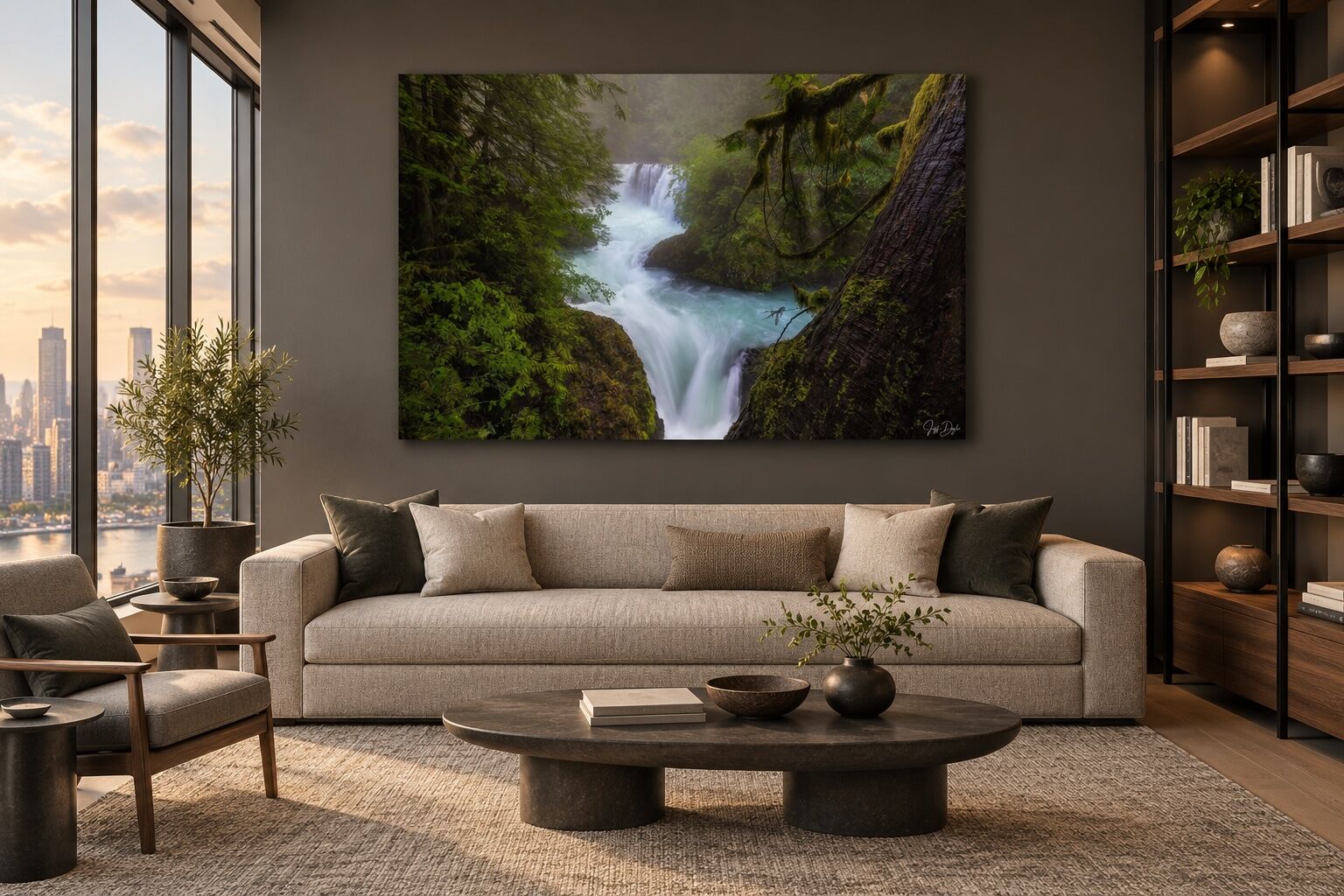
Fog removes information from a landscape. Distant mountains disappear, busy forests become layers, and backgrounds that might normally compete for attention fade away into soft transitions.
From a compositional standpoint, that can be incredibly useful. Instead of trying to organize dozens of visual elements, I can work with a few trees, a ridge, a shoreline, or a single patch of light. The resulting photograph often feels quieter because there is simply less visual noise.
When I photograph fog, I am often looking for the opposite of what I want in a dramatic landscape. Rather than waiting for the scene to reveal more, I am waiting for the weather to hide enough that the essential structure becomes obvious.
Forests and Repeating Natural Patterns
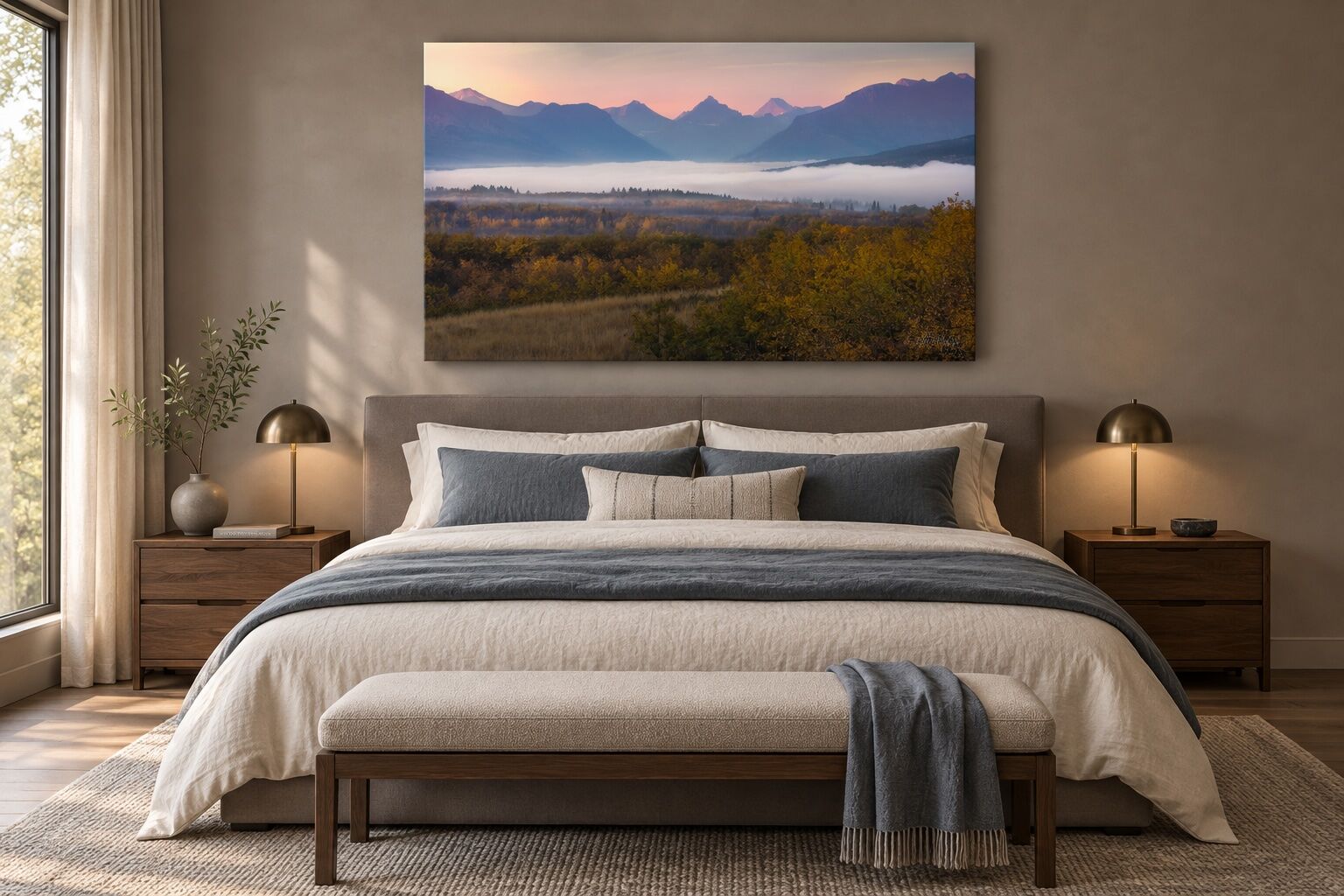
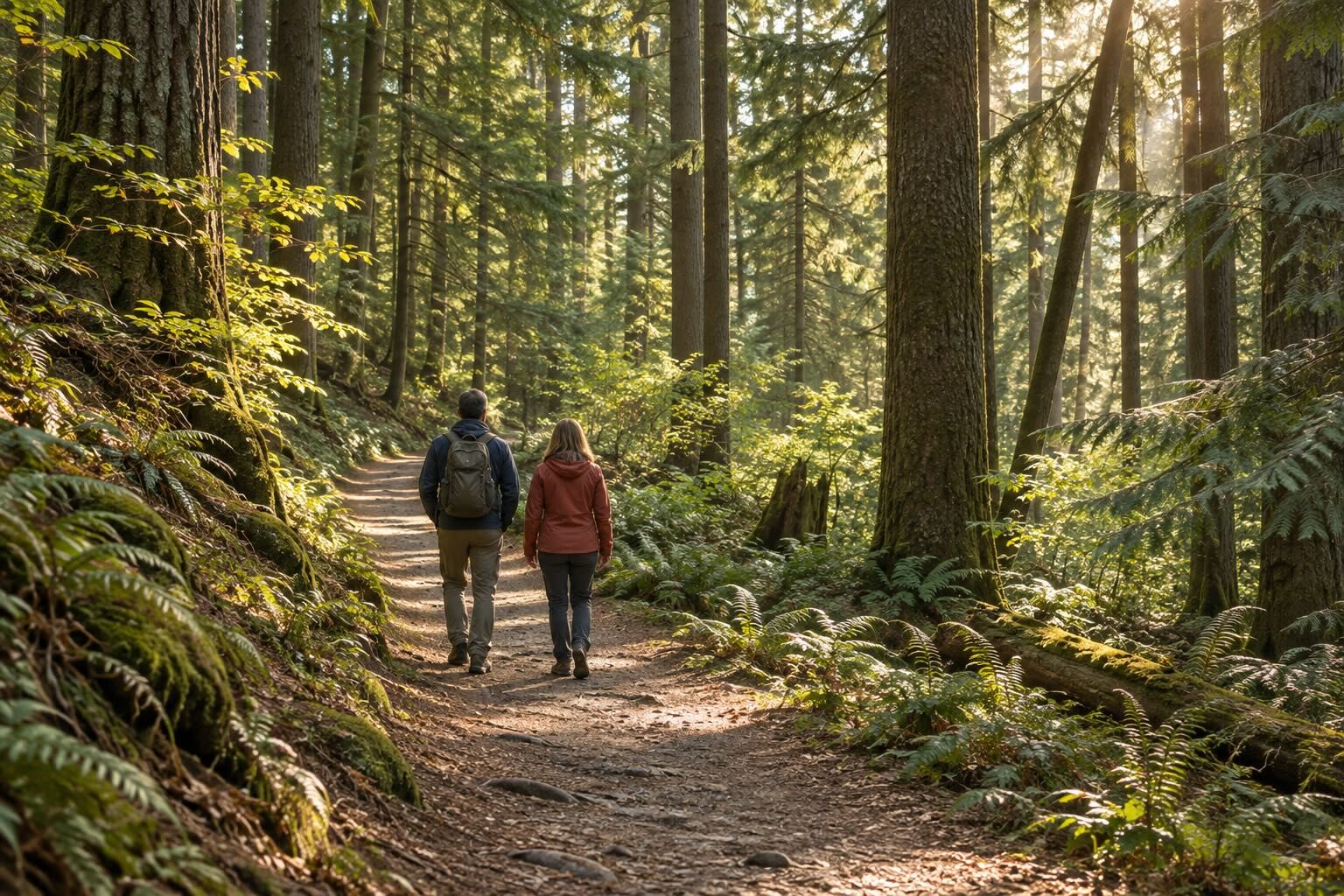
Forests can be visually complicated, but they can also be deeply calming when the composition finds order within that complexity. Repeating trunks, moss-covered branches, filtered light, pathways, and layers of green can create a sense of rhythm that guides the eye through the photograph.
There is substantial research linking exposure to green spaces and forest environments with improved mood and reduced stress. Some studies also suggest that even visual exposure to natural scenes can produce restorative effects, particularly when compared with heavily urban or visually demanding environments.
Coastlines and Open Space
Coastal landscapes often contain large areas with very little visual clutter. A horizon line, open water, broad sky, and a few rocks or sea stacks can be enough to create an entire composition.
That openness gives the eye somewhere to go without encountering constant interruption. I think that is one reason expansive ocean scenes can feel so different from tightly packed urban environments or highly detailed interiors.
There is also something psychologically powerful about distance. Looking toward a far horizon creates a sense of scale and openness that can make everyday concerns feel temporarily smaller, even when we experience that horizon through a photograph rather than in person.
You can explore examples in my Fine Art Coastal Photography Prints gallery.
Waterfalls and Flowing Water
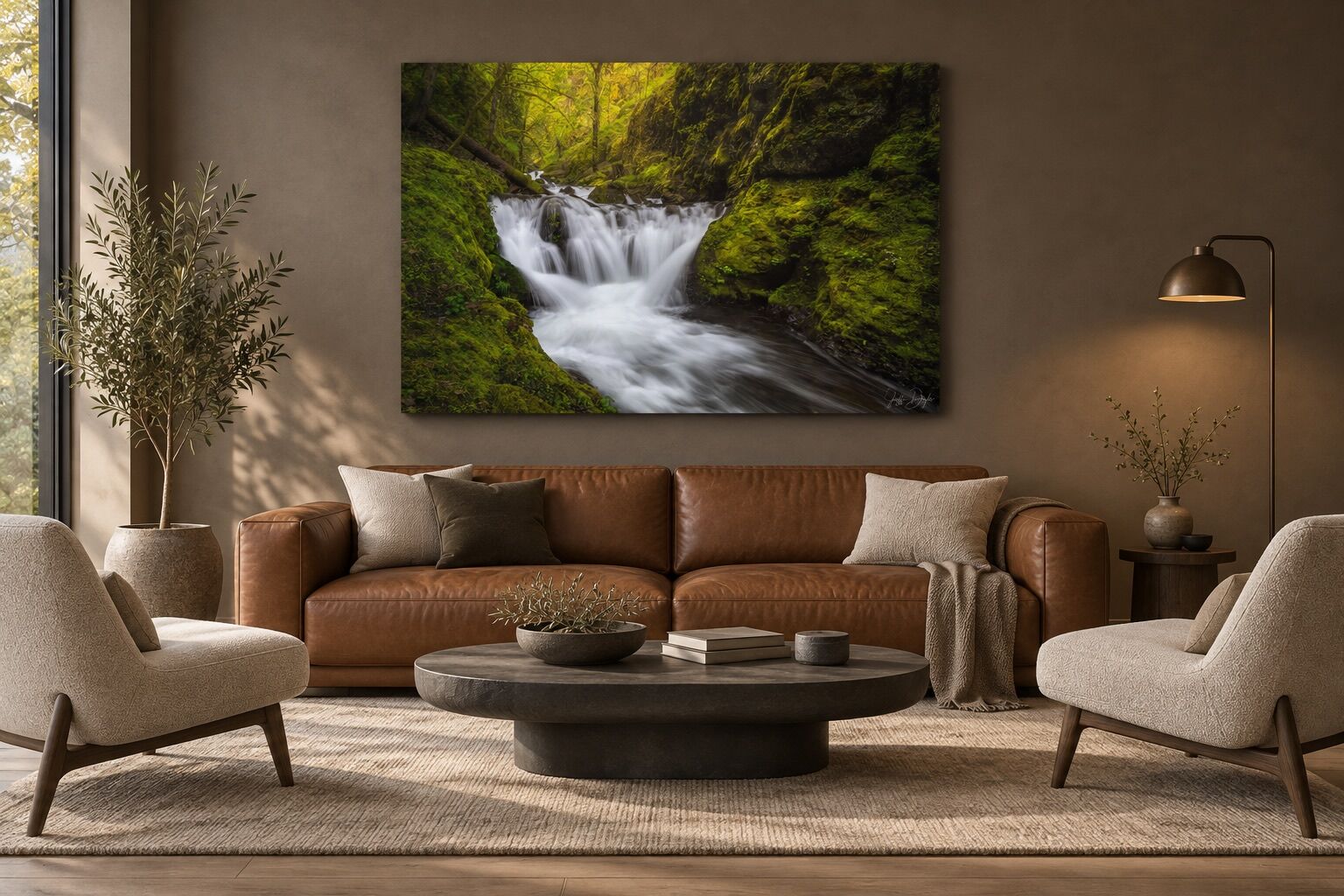
Waterfalls combine movement with repetition. The water is constantly changing, but the overall pattern remains recognizable, which can give the scene both energy and stability at the same time.
When I use a longer exposure, the photograph records that movement differently than the eye sees it. Individual drops become lines and soft textures, creating a continuous visual flow through the image. The result can feel very different from a sharply frozen waterfall.
I often find the most peaceful waterfall photographs are not necessarily the largest or most powerful falls. Smaller cascades surrounded by forest, moss, or rock can feel more intimate because the photograph invites the viewer into the scene rather than overwhelming them with scale.
You can see more examples in my Fine Art Waterfall Photography Prints gallery.
Mountains and a Sense of Scale
Mountains create a different kind of calm. They can be dramatic, but they can also create a sense of permanence and perspective that is difficult to reproduce with smaller subjects.
A distant ridge beneath soft light can give a photograph enormous visual depth without making the composition complicated. When there is enough space around the subject, the mountain does not have to dominate the frame to create a strong emotional response.
Many people describe feelings of awe in the presence of large natural landscapes. Research on awe suggests that these experiences may help shift attention away from immediate personal concerns and toward something larger than ourselves.
You can explore those landscapes in my Fine Art Mountain Photography Prints gallery.
Winter Landscapes and Visual Simplicity
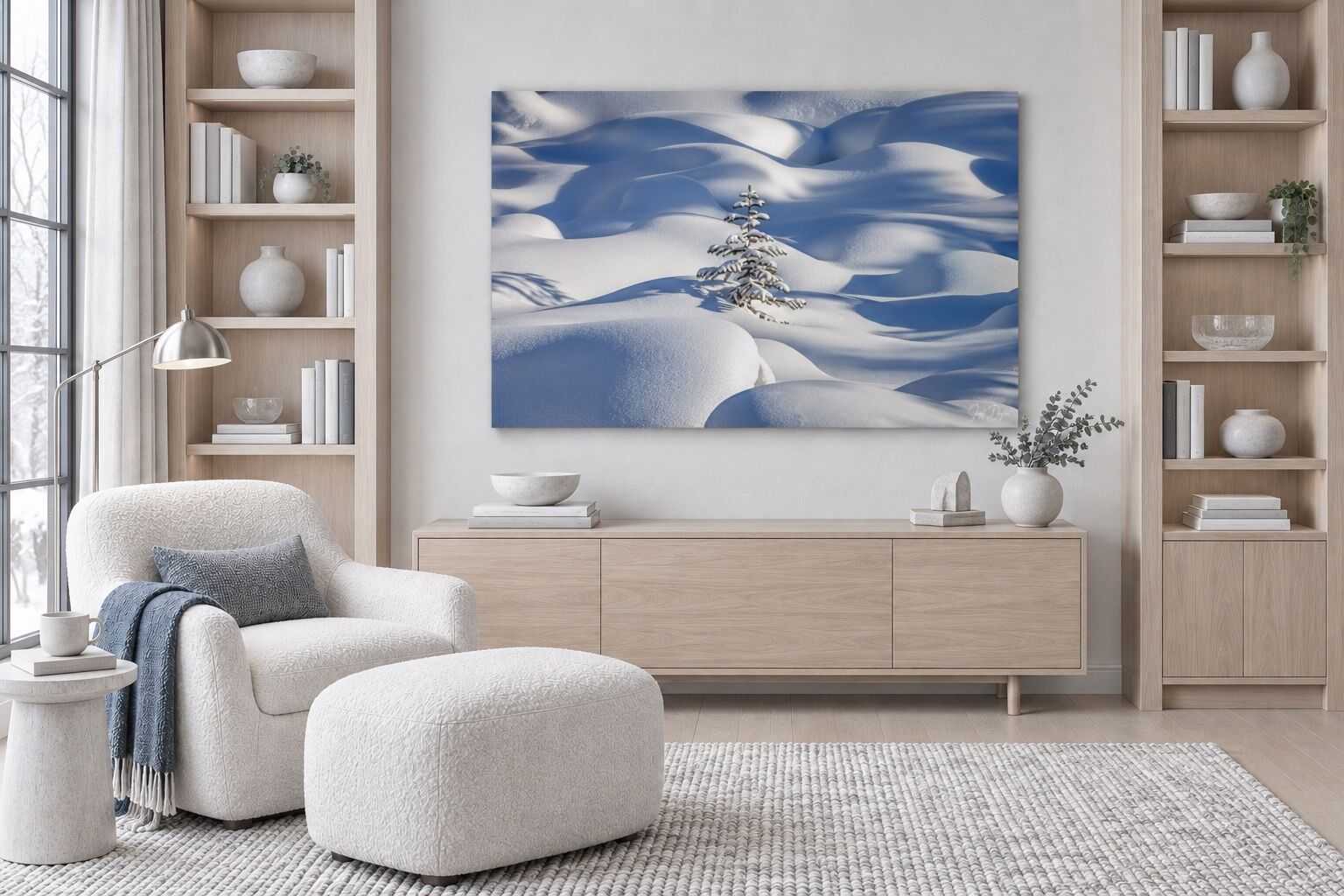
Snow can transform a complicated landscape into something almost minimalist. Small rocks, branches, grasses, and uneven ground disappear beneath a continuous surface, while darker trees, water, or mountains become stronger visual anchors.
That simplification is one reason winter photography can feel particularly quiet. There may be fewer colors, fewer textures, and fewer competing visual elements, which gives the composition more room to breathe.
Winter light can also be soft and subdued, especially under clouds or during snowfall. Those conditions often create photographs with gentle tonal transitions rather than sharp contrast, reinforcing the sense of stillness.
You can see examples in my Fine Art Winter Landscape Photography Prints gallery.
Why Color Matters in Calming Images
Color has a major influence on how we experience an image, but I would be cautious about reducing the subject to rules such as "blue is calming" or "green reduces anxiety." Color response is affected by personal preference, culture, context, surrounding colors, brightness, and saturation.
That said, blue and green are strongly associated with natural environments, particularly water, sky, forests, and vegetation. Research in environmental psychology and color perception suggests that these colors can contribute to impressions of calm, restoration, and naturalness in certain contexts.
In my own photography, I pay more attention to relationships between colors than to any single color in isolation. A quiet image might use cool blues and greens, but warm light can also feel deeply peaceful when it is balanced and does not overwhelm the rest of the composition.
Soft Light Can Be More Relaxing Than Dramatic Light
Landscape photographers often chase dramatic sunsets, beams of light, and high-contrast weather because those conditions can produce spectacular photographs. They are not always the most peaceful conditions, though.
Soft light reduces hard edges and extreme differences between bright and dark areas. Fog, clouds, twilight, and reflected light can all produce gentle transitions that allow the viewer's eye to move through the frame without repeatedly encountering strong visual interruptions.
Some of my quietest photographs were made under conditions that would not have looked impressive on a postcard. The light was subtle, the color was restrained, and very little was happening, but that was exactly what made the scene work.
Why Simplicity Matters More Than Subject
A waterfall is not automatically calming, and a mountain is not automatically peaceful. Any subject can become visually chaotic if too many elements are competing for attention.
For me, the strongest calming images usually have a clear visual hierarchy. There is a place for the eye to begin, a path for it to move through the composition, and enough quiet space that the viewer does not have to work to understand the photograph.
This is one reason photographers sometimes spend a long time moving around a location before taking the final picture. A step to the left might separate two trees, eliminate a distracting branch, or create open space around the subject that makes the composition feel completely different.
How I Photograph a Calm Scene
When I want a photograph to feel quiet, I usually begin by looking for what I can remove. I simplify the background, watch for unnecessary highlights, pay attention to the edges of the frame, and wait for conditions that separate the important elements from everything else.
I also look for repetition and visual rhythm. Reflections, lines of trees, rolling hills, waves, layered mountains, and repeated colors can guide the eye gently through the photograph instead of forcing attention toward one aggressive focal point.
Most importantly, I try not to force a mood onto a place that does not have it. Some landscapes are chaotic, energetic, or intimidating, and those qualities can make excellent photographs too. The goal is to recognize what the scene is giving me and photograph it honestly.
Can Looking at Nature Pictures Help You Relax?
Research suggests that viewing natural scenes can produce restorative psychological effects, including improvements in mood, reduced perceived stress, and recovery from mental fatigue. In one often-cited 1991 study, Ulrich and colleagues showed participants a stressful film and then a video of either a natural or an urban setting; those who viewed the natural setting recovered from stress faster and more completely, measured through both self-reported feeling and physiological indicators. These effects are generally smaller than the benefits associated with actually spending time in nature, and results vary from person to person, but the visual environment around us still appears to matter.
This makes intuitive sense to me as a photographer. People often tell me that a particular image reminds them of a place they have visited, a hike they took, a coastline they love, or simply the feeling of being somewhere quiet. The photograph becomes connected with memory and emotion rather than functioning only as decoration.
Calming Nature Photography in Your Home
Artwork can influence the atmosphere of a room simply because it becomes part of what you see every day. A large photograph of fog, still water, forest, coastline, or soft mountain light can introduce visual depth and a connection to the outdoors without adding physical clutter.
The most important consideration is still personal response. A photograph I find peaceful may remind someone else of cold weather, a difficult hike, or a place they simply do not enjoy. The best calming picture for your home is one that creates a positive emotional response for you personally.
Scale and placement also matter, but those decisions deserve more than a paragraph in this article. If you are deciding what kind of photograph will work best in a particular room, see my guide to How to Choose Fine Art Photography for Your Home.
Calming Wall Art and Color
When nature photography becomes part of an interior, the colors in the photograph begin interacting with the rest of the room. A quiet photograph can feel very different against a warm neutral wall than it does against a saturated color or a visually busy pattern.
I would not choose art solely because its colors match a sofa or rug, but color relationships are still worth considering. If you want a more detailed explanation, see my guide to Matching Fine Art to Wall Color and Design.
Frequently Asked Questions
What kinds of pictures are calming?
Many people find photographs of water, forests, fog, mountains, beaches, open landscapes, and quiet natural scenes calming. Images with soft light, simple compositions, natural colors, open space, and repeating patterns often feel more restful than photographs with heavy contrast or visual clutter.
Why are nature pictures relaxing?
Natural scenes tend to contain familiar patterns, colors, and forms that people associate with outdoor environments. Research in environmental psychology, including Ulrich's Stress Reduction Theory and the Kaplans' Attention Restoration Theory, also suggests that viewing nature can support stress recovery, improved mood, and restoration of attention.
Can calming pictures reduce stress?
Research suggests that viewing natural imagery can reduce perceived stress and contribute to feelings of restoration in some contexts. The effect varies by person and situation, and a photograph should not be viewed as a medical treatment for anxiety or other health conditions.
What colors are most calming in nature photography?
Blue and green are commonly associated with calm because of their connection with water, sky, forests, and vegetation. Muted earth tones, soft grays, and gentle warm colors can also create a peaceful effect, especially when the palette feels balanced rather than highly saturated.
Why is water so relaxing to look at?
Water often creates repetition, reflection, flow, and open visual space, all of which can simplify a composition. Research on blue spaces also suggests that people frequently associate aquatic environments with restoration and well-being.
Are forest pictures calming?
They can be. Forest photographs often contain repeating shapes, natural greens, filtered light, and a sense of enclosure, while research on green environments has repeatedly linked nature exposure with lower stress and improved mood.
Can artwork make a room feel calmer?
Artwork can influence the visual character of a room through subject, color, scale, contrast, and composition. A quiet nature photograph will not change everyone's emotional state in the same way, but it can contribute to an environment that feels less visually busy and more connected to nature.
What is calming photography?
Calming photography is not a formal photographic genre, but the term is commonly used for images that create feelings of quiet, relaxation, or visual ease. In nature photography, that often includes water, fog, forests, open space, subtle color, and soft light.
What makes a photograph peaceful?
A peaceful photograph usually has a clear composition, limited visual competition, balanced color, and a subject that allows the viewer's eye to move through the image without feeling rushed. Mood also depends heavily on personal associations and memories.
Explore Calming Nature Photography
Some of the landscapes I photograph are dramatic, while others are much quieter. Fog, still water, forests, soft coastal light, snow, and distant mountains can create photographs that encourage the eye to slow down and spend more time with the scene.
If you would like to explore those images, visit my Fine Art Landscape Photography Galleries. You can also browse individual collections of waterfall photography, coastal photography, mountain photography, and winter landscapes.