How To Buy Art at an Art Fair: A Guide From the Other Side of the Booth
Most art fair guides are written by the people who run them. This one comes from inside the booth. I've spent more than a decade photographing the Pacific Northwest coast, the Rockies, and the desert Southwest, and I sell my limited edition prints directly to collectors, at fairs included. Spend enough weekends under a white tent and you start to notice patterns. Confident buyers move differently. They ask sharper questions, they linger in the right places, and they go home with work they'll still love in twenty years. What follows is what I'd tell a friend before they spent a dollar at a fair: how to prepare, how to spot quality, what to ask the artist, and how to buy with real confidence.
How to Buy Art at an Art Fair
The best way to buy art at an art fair is to walk the entire show before making a decision, return to the pieces you keep thinking about, inspect the work and presentation up close, and talk directly with the artist. Ask who made the work, how it was produced, whether it is one of a kind or part of an edition, what documentation comes with it, and how it should be cared for. Know your wall dimensions and approximate budget before you arrive, but give yourself room to buy the piece you genuinely connect with rather than the one that simply fills a space.
How to Prepare for an Art Fair as a Buyer (It Takes Ten Minutes)
Preparation pays off more at an art fair than almost anywhere else you'll shop. Ten minutes of homework beats two hours of aimless wandering.
First, find out whether the fair is juried. At a juried fair, a panel has reviewed every applicant, and exhibitors are generally required to show their own original work. Organizers check booths against applications. That's your first layer of quality control, and it's why the best fairs draw serious artists year after year.
Second, browse the exhibitor list. Most fairs publish artist directories with sample images. Star three or four booths worth seeking out, then leave room for surprises. Some of the best finds come from booths you never planned to visit.
Third, know your walls before you leave the house. Photograph the spaces you're considering, jot down rough measurements, and keep both on your phone. Undersizing is the most common regret I hear about at my own booth, and it's completely avoidable. If you want a head start on scale and placement, I've written a full guide to choosing fine art photography for your home and another on matching artwork to wall color and room design.
Finally, set a range instead of a hard number. Decide what a piece you truly love is worth to you before the tent lighting and the crowd energy start doing the math for you.
Art Fair Buyer's Checklist
Before you leave home:
- Photograph the walls where you may hang art.
- Measure the available wall space.
- Set a comfortable spending range.
- Review the exhibitor list and note a few artists you want to see.
Before you buy:
- Walk the fair once before making a decision.
- Return to the pieces you are still thinking about.
- Inspect the artwork and presentation up close.
- Ask who made it and how it was produced.
- Confirm whether it is original, open edition, or limited edition.
- Ask what documentation comes with the work.
- Ask how the piece should be displayed and cared for.
- Confirm shipping, pickup, or transportation before paying.
Walk the Whole Fair Before You Buy Anything
Do a complete lap first. Move quickly, resist the urge to linger, and let your memory do the curating. The pieces still rattling around your head two aisles later are telling you something. The ones you forgot by the next booth already answered the question.
I think of it as the walk-back test. When someone returns to my booth a second or third time, they rarely need convincing. The work already made its case. Give yourself that same experience. A fair rewards patience in a way a gallery visit can't, because hundreds of artists are gathered in one place and you can compare directly, side by side, on the same afternoon.
A note on timing. Mornings tend to be quieter, which means easy parking, unhurried conversations, and first pick of anything one of a kind. Afternoons bring the energy and the crowds. Neither is wrong. Just know that if a piece is truly one of one, waiting until Sunday carries real risk.
How to Spot Quality Art in a Ten-Minute Booth Visit
Start wide, then get close.
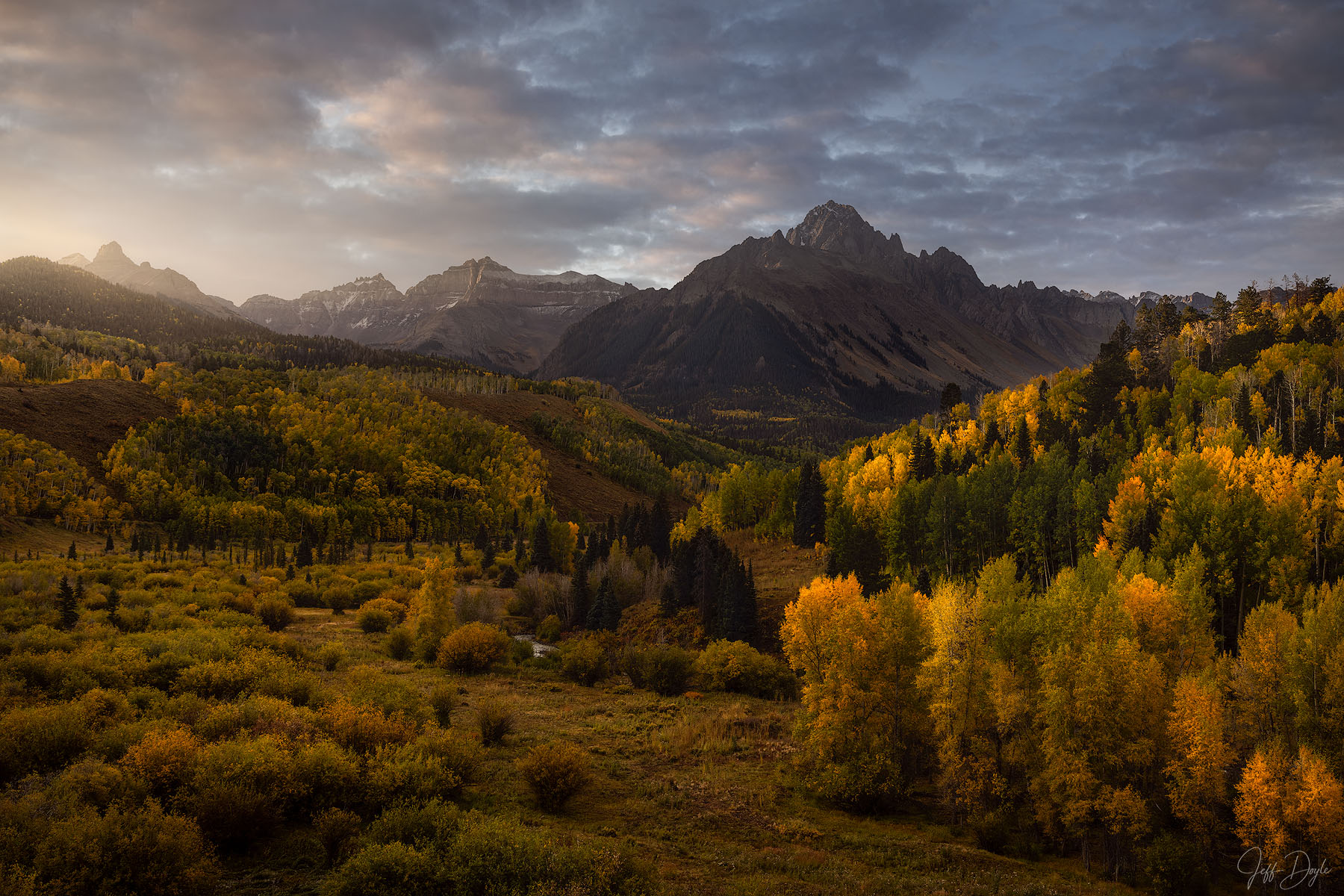
From the aisle, look for a booth that hangs together. A cohesive body of work signals an artist who knows exactly who they are. A booth that reads like a grab bag of styles, subjects, and price points usually signals work made to chase whatever sells. Vision shows up as consistency.
Then step in and study the craft. Check frame corners and joinery. Make sure mounting sits flat and clean, hardware feels solid, and glazing is free of trapped dust. Run your eye along canvas edges and paper deckles. Finishing is where corners get cut, and the evidence is visible if you look for it. Presentation matters enough that I wrote a separate piece on the advantages of professional grade framing, because a great image in a poor frame is a compromised work of art.
In my own medium, photography, get close to the print surface. View it at a raking angle to check for flatness and surface flaws. Look for crisp detail with your nose a foot from the print, then step back and read it from across the booth. Ask what it's printed on and why. Any photographer worth their salt can explain their choice of paper, metal, or acrylic without missing a beat, because those decisions shape how the work holds up on your wall for decades.
One caution about booth lighting. Those lights are bright, warm, and aimed. Your living room is none of those things. View the piece from off angles and ask the artist how it reads in softer light. An honest answer to that question tells you plenty about the person selling it.
Questions to Ask an Artist at an Art Fair
Here's what most buyers overlook: the person standing in the booth is usually the person who made the work. That rarely happens in a gallery, and it never happens online. Use it.
Ask what's behind the piece. You'll learn quickly how deep the work goes. An artist who stood in that river at dawn talks about it differently than someone moving inventory.
Ask who made it and who printed it. Direct questions deserve direct answers. Plenty of excellent photographers work with master printers, and they'll say so plainly. Vague answers are data.
Ask how many exist. Edition size shapes both value and meaning. An artist offering limited editions should state the number without hesitation and explain how it works across sizes and materials. I've written a full guide to how edition sizes and materials affect value and impact if you want the deep end before you shop.
Ask how to care for it. Serious artists think about the long life of their work: archival materials, UV protection, cleaning, hanging. If longevity has clearly never crossed their mind, that tells you something too.
And watch how the questions land. Artists who love their work light up when you ask about it. That kind of enthusiasm is hard to fake at hour seven of a fair day.
Editions, Certificates, and What the Paperwork Should Say
Know what you're buying before you swipe the card. One-of-a-kind originals, limited edition prints, and open edition prints are all legitimate. Trouble only starts when one gets dressed up as another.
A piece sold as a limited edition should come with three things. A stated edition size. A number identifying where your print falls within it. And a certificate of authenticity. A proper certificate lists the title, the edition number and total, the dimensions, the materials, and the artist's signature and date. Keep it with your receipt in your important papers. That paperwork is the piece's provenance, and it matters whenever the work is insured, appraised, or passed down.
Open editions deserve a kind word here too. Small open edition items like notecards and modest prints are an honest, time-honored way to take an artist's work home at an approachable price. Plenty of serious collections started exactly there. The red flag is misrepresentation: limited edition language with no numbers, no certificate, and no straight answer.
Art Fair Etiquette and the Truth About Haggling
A few unwritten rules make the day better for everyone.
Ask before photographing inside a booth. Most artists will say yes, and asking marks you as someone who respects the work. Remember that for the artist, those images are the product.
Ask before handling anything, especially unframed works on paper. Fingerprints and skin oils are unkind to fine surfaces.
Now for the question everyone wants answered: can you negotiate prices at an art fair? You can ask. Do it kindly, and understand the math on the other side of the table. An exhibiting artist has typically paid booth fees, jury fees, travel, lodging, and months of production costs before the first visitor walks in. Established artists usually hold their list prices, and on limited editions there's a principled reason for it. A discount today undercuts every collector who paid full price before you. Price integrity protects the value of the very edition you're buying into.
Where you'll often find flexibility is around the edges. Shipping. A framing upgrade. Pairing two pieces. A payment plan on a larger work. Ask about those and you'll usually find an artist glad to meet you partway.
One myth worth retiring: the Sunday afternoon fire sale. Some buyers hold out for the final hours expecting desperate discounts. At the fine art end of a fair, most of us would rather pack a piece carefully back into the van than mark it down. If you love something, buy it when you see it.
Red Flags That Make Me Keep Walking
Most exhibitors at a good fair are exactly who they say they are. Juried shows enforce it. Still, a few warning signs are worth carrying with you.
A booth with no unifying hand. Dozens of unrelated subjects, styles, and price points under one tent often means resale merchandise rather than original work.
Fuzzy answers about authorship. “We work with a group of artists” is a very different sentence than “I made this.”
Limited edition language with nothing behind it. No stated size, no numbering, no certificate. Walk on.
Manufactured urgency. Today-only pricing and hard pressure are tools for selling work that can't sell itself.
Prices that don't square with the labor claimed. Handmade work priced like mass production usually is mass production.
None of this calls for confrontation. Trust your read, keep your money in your pocket, and spend it two aisles down with someone whose answers hold up.
Getting Your New Piece Home Safely
Buying is the easy part. The logistics deserve five minutes of thought.
Most artists take cards, and many will invoice larger purchases. Expect sales tax. For substantial pieces, ask about insured shipping. Professional crating costs real money, but for large works under glass or acrylic it's the smart play, and established artists ship work across the country all the time.
If you're driving your purchase home, bring a blanket or ask the artist to wrap it thoroughly. Transport framed work flat or fully supported, never loose against a seat. And whatever you do, don't leave art in a hot car while you finish walking the fair. Heat builds fast in a parked vehicle, and it's rough on adhesives, finishes, and acrylic faces. Most artists will gladly hold a purchased piece at the booth until you're headed out.
One more thing worth knowing: a booth is a storefront, and the relationship doesn't end when the tents come down. If the size you want isn't on the wall, most artists can produce it as an order. Take a card. Join the mailing list. And once the piece is home, hang it well. I've put together a full walkthrough on how to hang fine art photography that covers height, hardware, and lighting.
How to Think Like a Collector at an Art Fair
The difference between shopping and collecting comes down to intent. A shopper fills a wall. A collector builds something with a through-line: a point of view, a story, a record of what moved them and when.
You don't need a deep budget for that. If you're building a collection carefully, my guide to collecting fine art photography on a budget covers where to spend, where to save, and how to start without compromising on the work itself. Buy the piece that pulled you back across the fair, once the craft checks out and the paperwork holds up. One work you love outlasts five that merely fit the couch. And when you buy directly from an artist, you get provenance with a handshake. You met the maker. You heard where the work came from. That story stays attached to the piece for as long as you own it.
If you're still weighing whether original work belongs in your home at all, I've written about why collecting fine art photography rewards people for decades. It makes a good companion to this guide.
Plenty of serious collections begin with a single conversation in a white tent on a summer weekend. Go have a few of those conversations. Ask real questions, trust your eye, and don't be surprised if something follows you home.
Frequently Asked Questions About Buying at Art Fairs
Can you negotiate prices at an art fair?
You can ask, politely. Established artists usually hold their list prices, especially on limited editions, where discounting undercuts collectors who already bought in. You'll find more flexibility on shipping, framing, payment plans, and multi-piece purchases than on the number on the tag.
What questions should I ask an artist before buying?
Ask for the story behind the piece, who made and printed the work, the edition size, and how to care for it. Clear, confident answers are a quality signal. Vague answers about authorship or editions are a reason to slow down.
What should I look for when buying art at an art fair?
Look first for work you keep thinking about after you've walked away from it. Then inspect the craftsmanship and presentation, ask the artist how the work was made, confirm whether it is original or part of an edition, and understand what documentation comes with it. Before paying, make sure the size works for your space and that you know how the piece will be transported, displayed, and cared for.
How can I tell if the work in a booth is original?
Look for a cohesive body of work, a name on the booth that matches the person standing in it, and direct answers about how the work was made. Juried fairs also vet exhibitors before the show, which screens out most resale merchandise.
What should a certificate of authenticity include?
The title of the piece, the edition number and total edition size, dimensions, materials, and the artist's signature and date. Keep it with your receipt. Together they document provenance for insurance, appraisal, or resale down the road.
When is the best time to visit an art fair?
Go early. Mornings offer quiet aisles, unhurried conversations, and first pick of one-of-a-kind work. Waiting for last-day discounts rarely pays off at the fine art end of a fair, and the piece you loved may already be gone.
Is it okay to take photos in an artist's booth?
Ask first. Most artists will say yes, and asking shows respect for work that is, after all, made of images. A quick photo of the piece and the artist's card makes follow-up easy after the fair.
How do I get large artwork home from a fair?
For big pieces, insured professional shipping is usually worth the cost, especially for work under glass or acrylic. If you're driving, wrap the piece well, transport it flat or fully supported, and never leave it in a hot car.
Is art from an art fair a good investment?
Buy for love first. Some work appreciates, and disciplined limited editions from artists with growing reputations have the best odds, but no honest seller promises returns. What a fair purchase reliably delivers is provenance, a story, and decades of enjoyment.