What Is Earth Day? Meaning, History & Why We Celebrate It
Earth Day is an annual observance focused on protecting the environment and encouraging people to care for the natural world. It is celebrated every year on April 22, and the first Earth Day took place in 1970.
For more than half a century, Earth Day has helped bring environmental issues into public conversation. It can mean different things to different people, from joining a local cleanup or planting native species to learning more about conservation, reducing waste, or simply paying closer attention to the places we depend on.
Earth Day at a Glance
| Question | Answer |
|---|---|
| When is Earth Day? | April 22 every year |
| When was the first Earth Day? | April 22, 1970 |
| Who started Earth Day? | U.S. Senator Gaylord Nelson is widely credited with initiating the effort that became the first Earth Day. |
| Why do we celebrate Earth Day? | To raise awareness of environmental problems and encourage action to protect the planet. |
| Is Earth Day always on the same date? | Yes. Earth Day is observed on April 22 each year. |
What Is Earth Day?
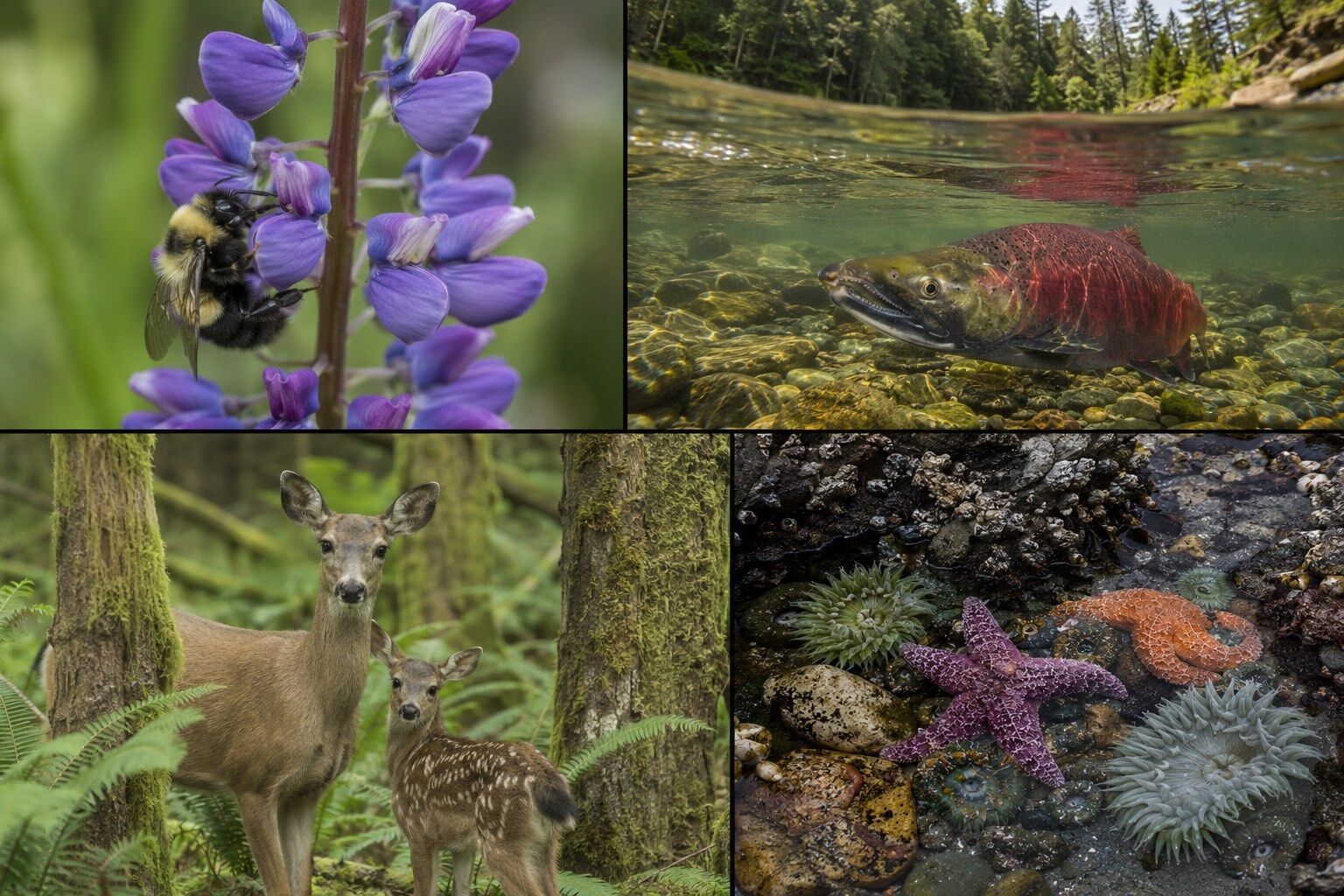
Earth Day is a day devoted to environmental awareness, conservation, and action. It brings attention to issues that affect the natural systems around us, including clean air and water, wildlife habitat, pollution, climate, forests, oceans, and the responsible use of natural resources.
It is not limited to one environmental cause or one kind of activity. Schools may use Earth Day for environmental education, communities may organize cleanups or restoration projects, conservation groups may highlight threatened ecosystems, and individuals may use the day to reconsider everyday choices that affect the environment.
At its simplest, Earth Day is a reminder that people are part of the natural world rather than separate from it. The health of the landscapes, waterways, wildlife, and ecosystems around us ultimately affects the quality of human life as well.
When Is Earth Day?
Earth Day is celebrated every year on April 22. Unlike holidays that move from one weekday to another, the date of Earth Day does not change from year to year.
That means if you are wondering what day Earth Day is, the answer is always April 22. The day of the week will change, but the calendar date remains the same.
Is Earth Day Always April 22?
Yes. Earth Day is always observed on April 22. Events connected with Earth Day may take place before or after that date, especially when schools, businesses, parks, or community organizations schedule activities for a nearby weekend.
Who Started Earth Day?
U.S. Senator Gaylord Nelson of Wisconsin is widely credited with initiating the effort that led to the first Earth Day in 1970. Nelson had become increasingly concerned about environmental problems and wanted to bring those issues into a much larger national conversation.
The effort was co-chaired in Congress by Republican Representative Pete McCloskey, and much of the national organizing was coordinated by a young activist named Denis Hayes. That bipartisan and grassroots structure is part of why the first Earth Day reached the scale it did.
The idea developed into a nationwide environmental teach-in that brought together students, communities, activists, educators, and other participants. What began as a U.S. event eventually grew into an international observance.
When Did Earth Day Start?
The first Earth Day was held on April 22, 1970. It came during a period of growing public concern about air pollution, contaminated waterways, pesticides, industrial waste, disappearing wildlife habitat, and other environmental problems.
Roughly 20 million Americans participated in demonstrations, educational events, and community activities during that first Earth Day, about a tenth of the country's population at the time. The scale of the response showed that environmental protection was becoming a major public issue rather than a concern limited to scientists or conservation organizations.
Earth Day and the Environmental Movement of the 1970s
The first Earth Day occurred during an unusually important period in modern American environmental history. Public concern about pollution and conservation was increasing, and the early 1970s saw major changes in environmental policy and regulation.
Earth Day did not single-handedly create every environmental law that followed, so I would be careful about drawing a simple cause-and-effect line. It did, however, help demonstrate the depth of public interest in environmental protection at a moment when those issues were receiving much greater political attention.
Why Do We Celebrate Earth Day?
We celebrate Earth Day because the natural environment is easy to take for granted. Clean water, healthy forests, fertile soil, functioning ecosystems, wildlife habitat, and breathable air are fundamental to life, yet they can be damaged gradually enough that the changes are not always obvious from one day to the next.
Earth Day creates a specific moment to pay attention. It gives people an opportunity to learn about environmental problems, support conservation work, participate in local projects, and think about the cumulative effect of everyday choices.
It also reminds us that environmental issues are interconnected. A river is not only water flowing through a landscape. It can also be habitat, a source of drinking water, part of an agricultural system, a recreational resource, and a defining feature of a community. The same is true of forests, coastlines, deserts, grasslands, and mountain environments.
Why Is Earth Day Important?
Earth Day is important because awareness often comes before action. People are more likely to protect something when they understand why it matters, how it is changing, and what role they can realistically play.
The value of Earth Day is not that one day can solve every environmental problem. Its value is that it gives millions of people a common reason to focus on the natural world at the same time and, ideally, carry some of that awareness into the rest of the year.
How Earth Day Became a Global Event
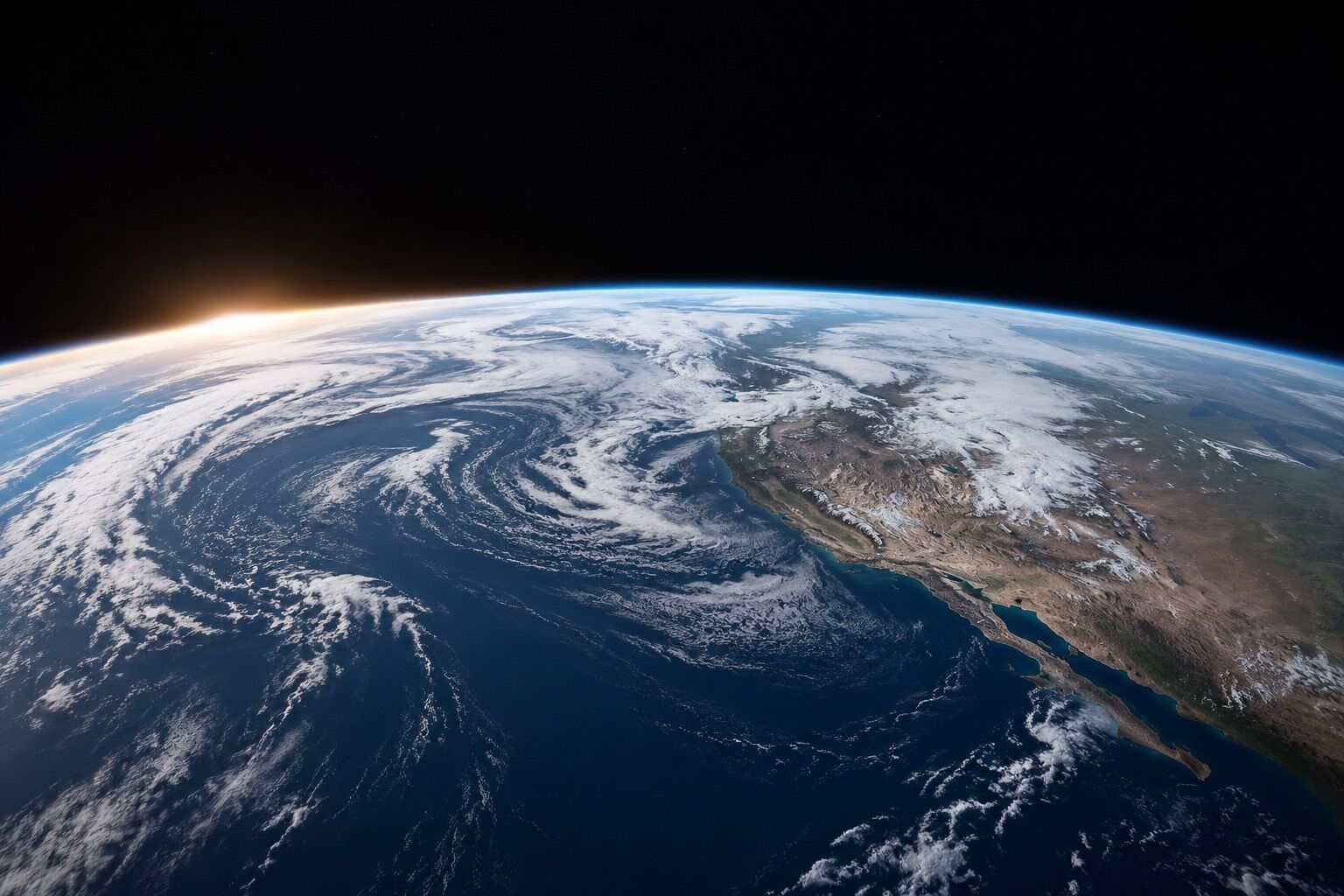
Earth Day began in the United States, but environmental problems do not stop at national borders. Air, oceans, rivers, wildlife migrations, climate systems, and ecosystems connect places that may be separated by thousands of miles.
Over time, Earth Day expanded into an international observance, with events and environmental campaigns taking place around the world. Today it is associated with activities ranging from small neighborhood cleanups to large conservation and public-awareness initiatives.
That global reach is one reason the basic idea behind Earth Day remains relevant. The specific environmental challenges may vary from one place to another, but every community depends on healthy natural systems.
How to Celebrate Earth Day
You do not need to organize a major event to participate in Earth Day. Some of the most practical ways to observe it are local, simple, and directly connected to the places where you live.
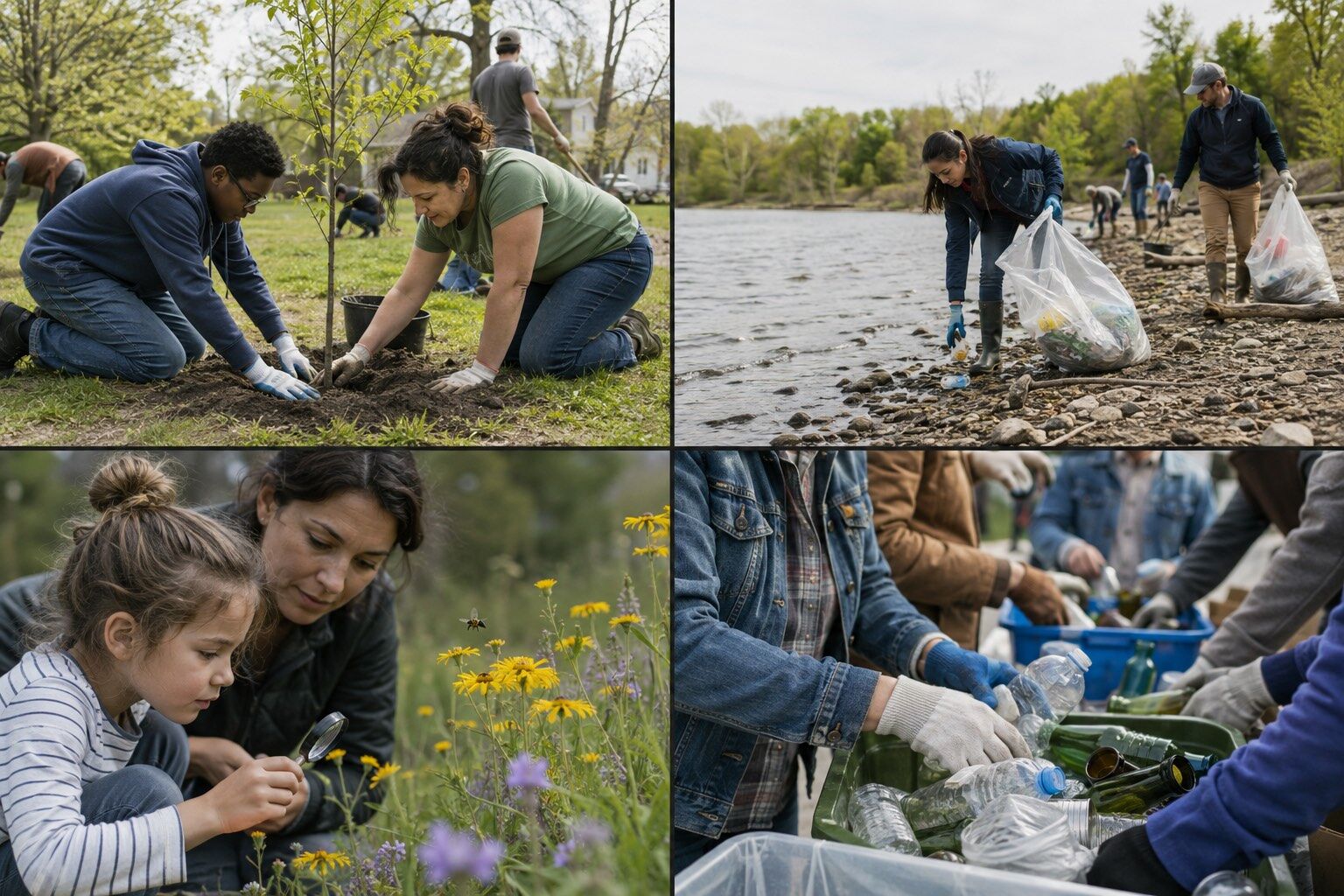
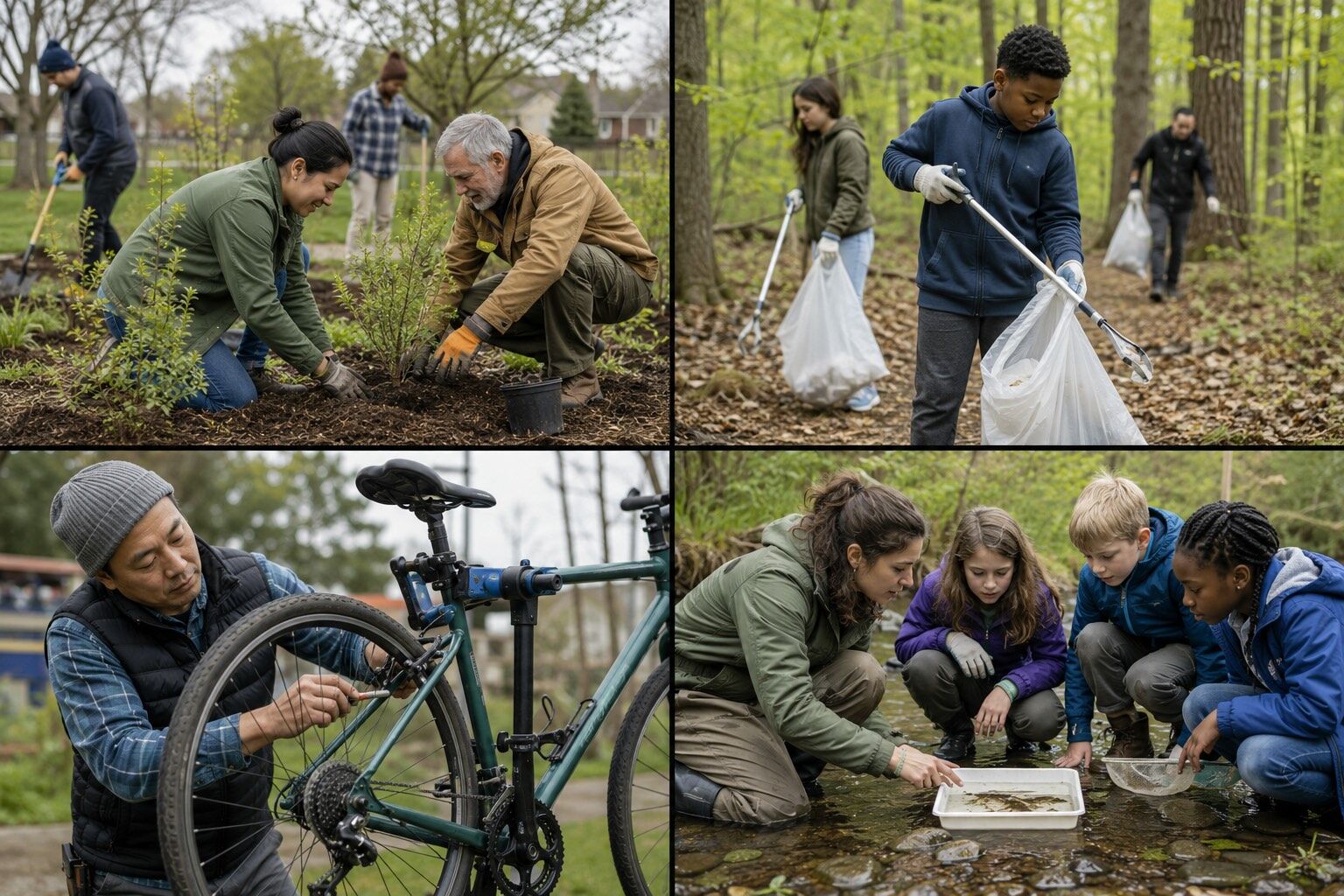
- Join a cleanup. Parks, beaches, riverbanks, trails, and neighborhoods often have organized cleanup events around Earth Day.
- Plant native species. Native plants can provide food and habitat for insects, birds, and other wildlife while fitting naturally into local ecosystems.
- Reduce unnecessary waste. Reusing products, repairing items, composting where practical, and avoiding unnecessary disposable products can reduce what enters the waste stream.
- Spend time outside. Visit a park, trail, wildlife refuge, beach, forest, or another natural place and pay closer attention to what is there.
- Learn about a local environmental issue. Conservation becomes more meaningful when it is connected to a specific river, habitat, species, watershed, or landscape you know.
- Support conservation work. Local land trusts, wildlife organizations, restoration groups, parks, and other nonprofits often rely on volunteers and public support.
- Share what you learn. A useful conversation about a local place or environmental issue can have more lasting value than simply posting a generic Earth Day message.
The goal does not have to be perfection. Earth Day can be a starting point for paying more attention to the environmental consequences of ordinary decisions and finding changes that are realistic enough to continue beyond April 22.
Earth Day Through the Eyes of a Landscape Photographer
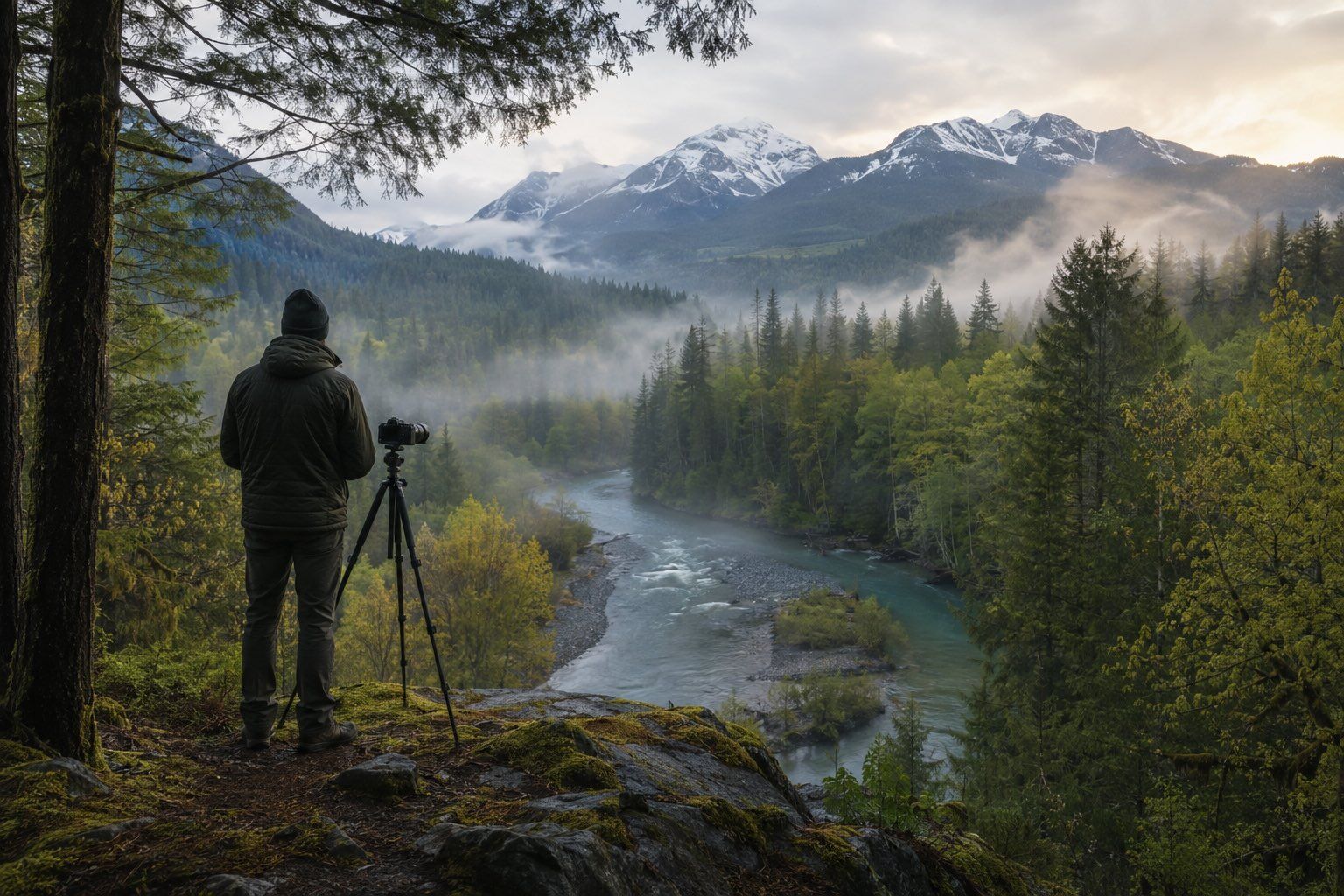
Landscape photography depends on observation. Light changes, weather moves through a scene, water rises and falls, seasons transform vegetation, and the character of a place can shift dramatically from one hour to the next.
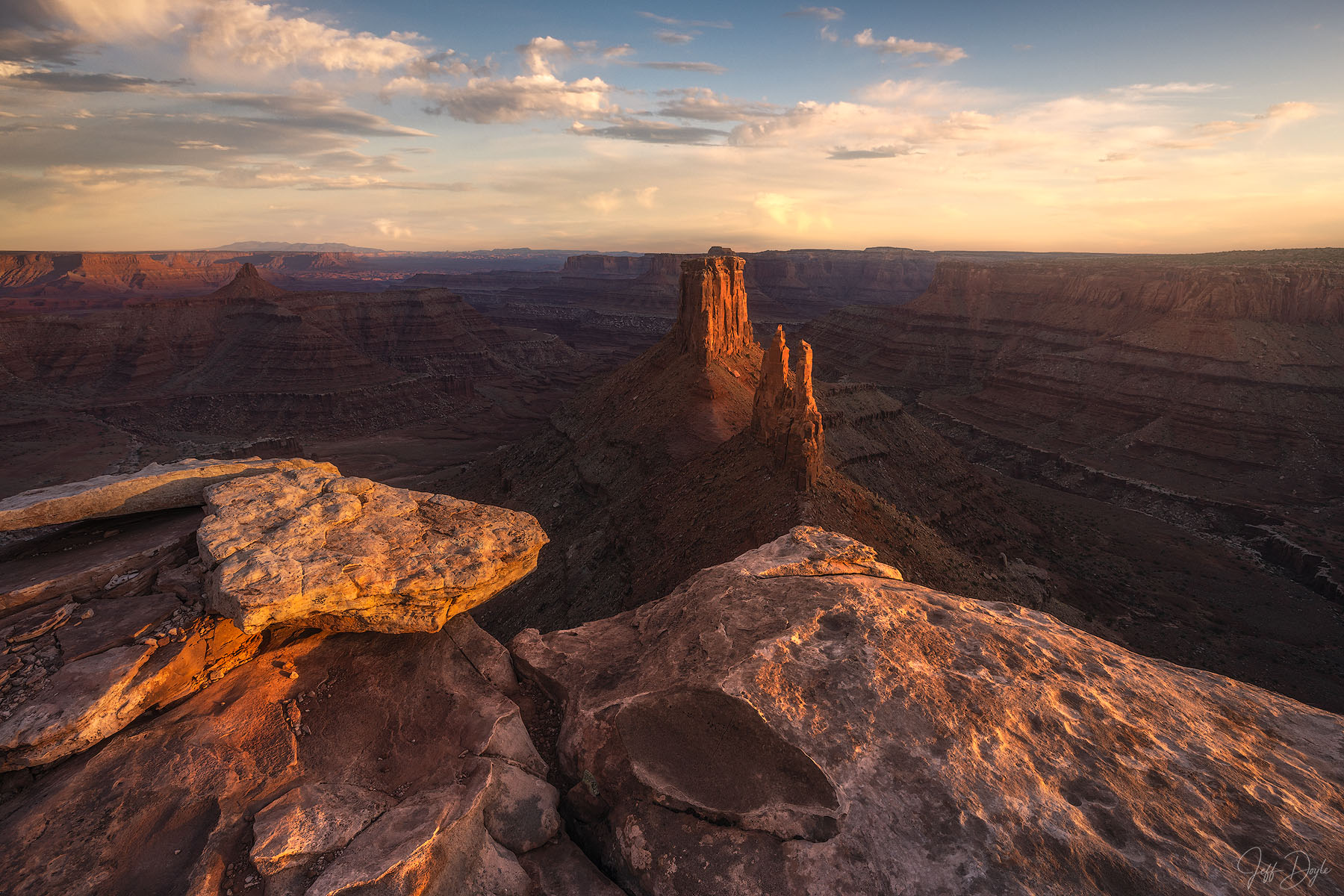
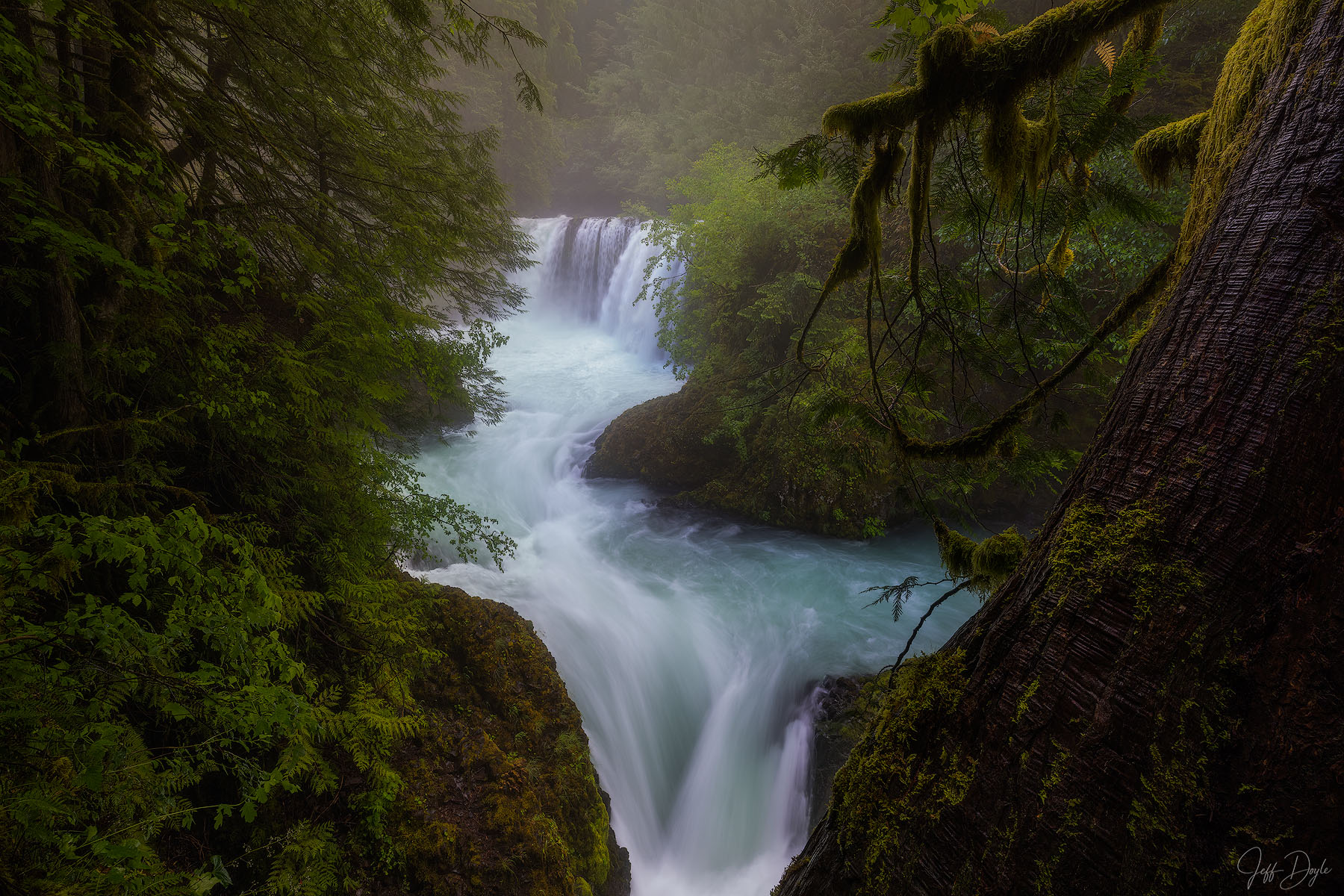
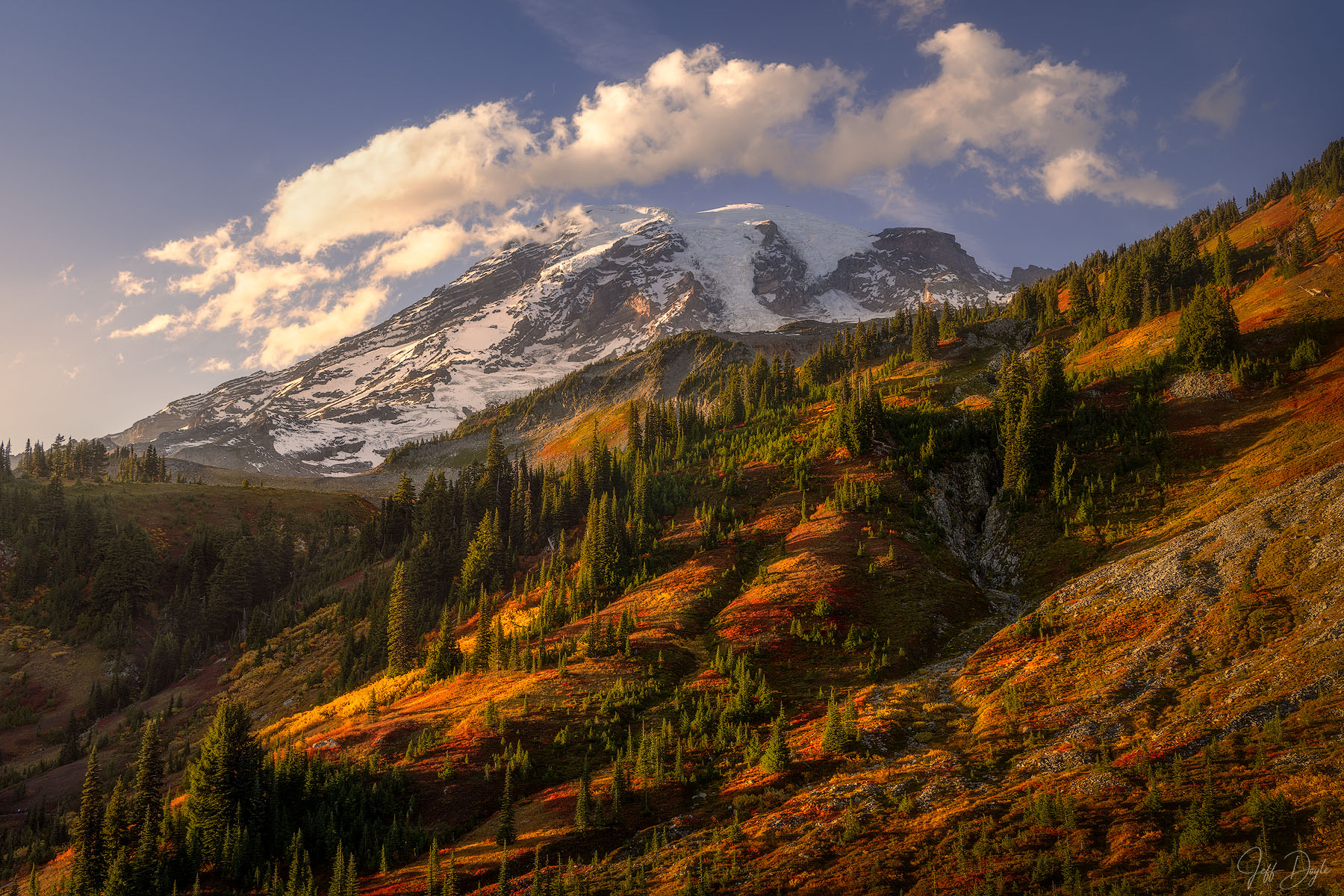
Photography can also make distant landscapes feel more immediate. A photograph of a desert canyon, alpine meadow, coastal headland, waterfall, or night sky can introduce someone to a place they have never visited while encouraging them to notice details they might otherwise overlook.
For me, one of the most meaningful parts of landscape photography is the attention it requires. The more carefully we look at a place, the easier it is to appreciate that a landscape is not just scenery. It is a living system shaped by water, geology, climate, plants, wildlife, time, and human influence.
That is one reason Earth Day and landscape photography fit together naturally. Both begin with noticing the world around us and recognizing that the places we value deserve more than a passing glance.
If you are interested in the broader idea of landscape and how photographers interpret place, you can also read What Is a Landscape? Meaning in Photography, Art & Nature.
Earth Day Facts
- Earth Day is celebrated every year on April 22.
- The first Earth Day took place on April 22, 1970.
- U.S. Senator Gaylord Nelson is widely credited with initiating the effort that became the first Earth Day.
- Roughly 20 million Americans took part in the first Earth Day, about a tenth of the U.S. population at the time.
- The original event focused national attention on environmental problems and conservation.
- Earth Day later grew from a U.S. observance into an international environmental movement now marked in more than 190 countries.
- Earth Day activities can include education, conservation projects, community cleanups, habitat restoration, waste reduction, and other environmental efforts.
Earth Day and Nature Photography
Earth Day is ultimately about the real places behind the images. Mountains, coastlines, forests, rivers, deserts, wildflower meadows, waterfalls, and dark night skies are more than visual subjects. Each is part of a larger natural system with its own pressures, changes, and conservation challenges.
My Fine Art Landscape Photography Galleries bring together photographs from many of those environments. If a particular type of landscape interests you, you can also explore my collections of mountain photography, waterfall photography, coastal photography, wildflower photography, and American Southwest landscapes.
For a broader look at the relationship between photography, landscape, and the way people have represented the natural world, see The History of Landscape Photography: How Art Shaped the Way We See.
Earth Day Is One Day, but the Landscape Is Always There
Earth Day gives us a date on the calendar, but our relationship with the natural world does not begin and end on April 22. The landscapes around us are changing every day, sometimes slowly and sometimes in ways that are impossible to miss.
Whether you participate in a restoration project, learn about a local ecosystem, support conservation work, or spend an afternoon outside with fewer distractions, Earth Day is an opportunity to look more carefully at the world we share. That kind of attention is valuable long after the day itself has passed.
If you would like to explore the landscapes that inspire my work, visit my Fine Art Landscape Photography Galleries or read more about National Parks Art Photography.
Frequently Asked Questions About Earth Day
What is Earth Day?
Earth Day is an annual observance focused on environmental awareness, conservation, and action. It is a time for individuals, schools, communities, organizations, and governments to focus attention on protecting the natural world.
When is Earth Day?
Earth Day is April 22 every year. The date stays the same even though the day of the week changes from year to year.
What day is Earth Day?
Earth Day is observed annually on April 22. Events may also be scheduled on nearby days or weekends, but the official calendar date remains April 22.
Who started Earth Day?
U.S. Senator Gaylord Nelson is widely credited with initiating the effort that led to the first Earth Day in 1970. The event grew through the work of organizers, educators, activists, students, and communities across the country, including Representative Pete McCloskey and national coordinator Denis Hayes.
When did Earth Day start?
The first Earth Day took place on April 22, 1970. It brought environmental concerns into a much larger national conversation in the United States.
Why was Earth Day created?
Earth Day was created to build public awareness and action around environmental problems. Concerns about pollution, habitat loss, contaminated waterways, and other environmental issues were becoming increasingly visible by the late 1960s and early 1970s.
Why do we celebrate Earth Day?
We celebrate Earth Day to focus attention on environmental protection and encourage practical action. It is also an opportunity to learn about the natural systems we depend on and the challenges facing them.
Why is Earth Day important?
Earth Day gives people around the world a shared moment to focus on conservation and environmental responsibility. One day cannot solve environmental problems, but it can encourage education, participation, and habits that continue throughout the year.
Is Earth Day always on April 22?
Yes. Earth Day is always observed on April 22, although related community events may be held on nearby dates.
Is Earth Day a national holiday?
Earth Day is widely observed, but it is not a U.S. federal holiday. Schools, businesses, and government offices do not automatically close for Earth Day.
How many countries celebrate Earth Day?
Earth Day is observed internationally and has grown far beyond its origins in the United States. Organizations associated with Earth Day commonly describe participation across more than 190 countries.
Is Earth Day the same as Arbor Day?
No. Earth Day addresses a broad range of environmental issues, while Arbor Day is specifically associated with trees and tree planting. The two observances share an interest in conservation but have different histories and purposes.
How can I celebrate Earth Day?
You can participate by joining a cleanup, planting native species, supporting conservation work, reducing unnecessary waste, learning about a local environmental issue, or simply spending time outdoors and paying closer attention to the natural places around you.